
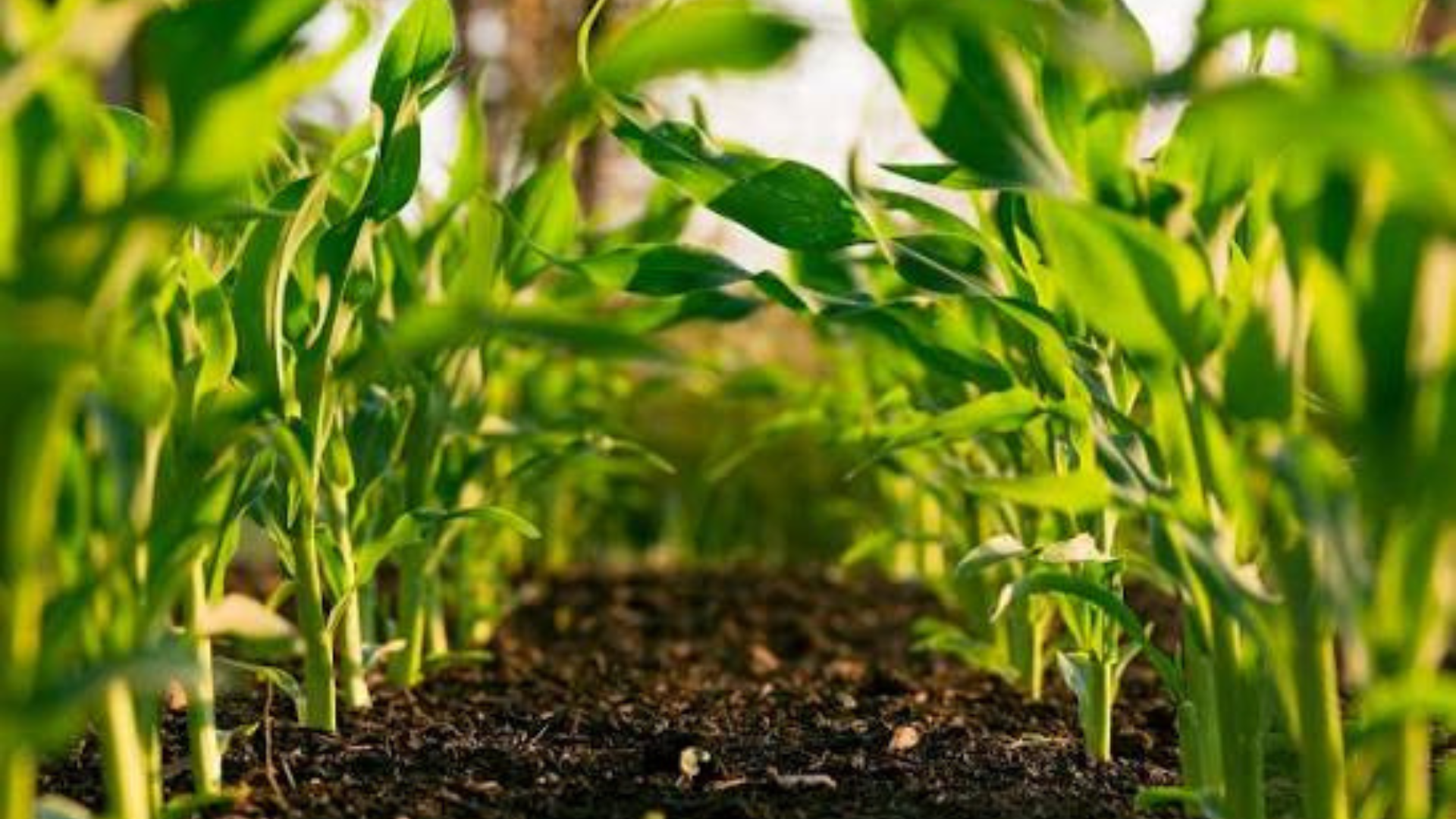
Farming is built on a relationship between people and nature. At Stoney Creek Farm, sustainable farming methods guide the way the land is cared for, resources are managed, and future generations are supported.
A healthy farm depends on more than successful harvests. It requires thoughtful decisions that protect soil, conserve water, encourage biodiversity, and maintain balance within the environment.
For Stoney Creek Farm, sustainability is not simply a modern trend. It is a long-term approach based on responsibility and respect for the natural systems that make agriculture possible.
Every choice made on the farm has an impact. Therefore, sustainable farming methods help create a stronger foundation for continued agricultural success.
Sustainable Farming Methods Begin With Healthy Soil
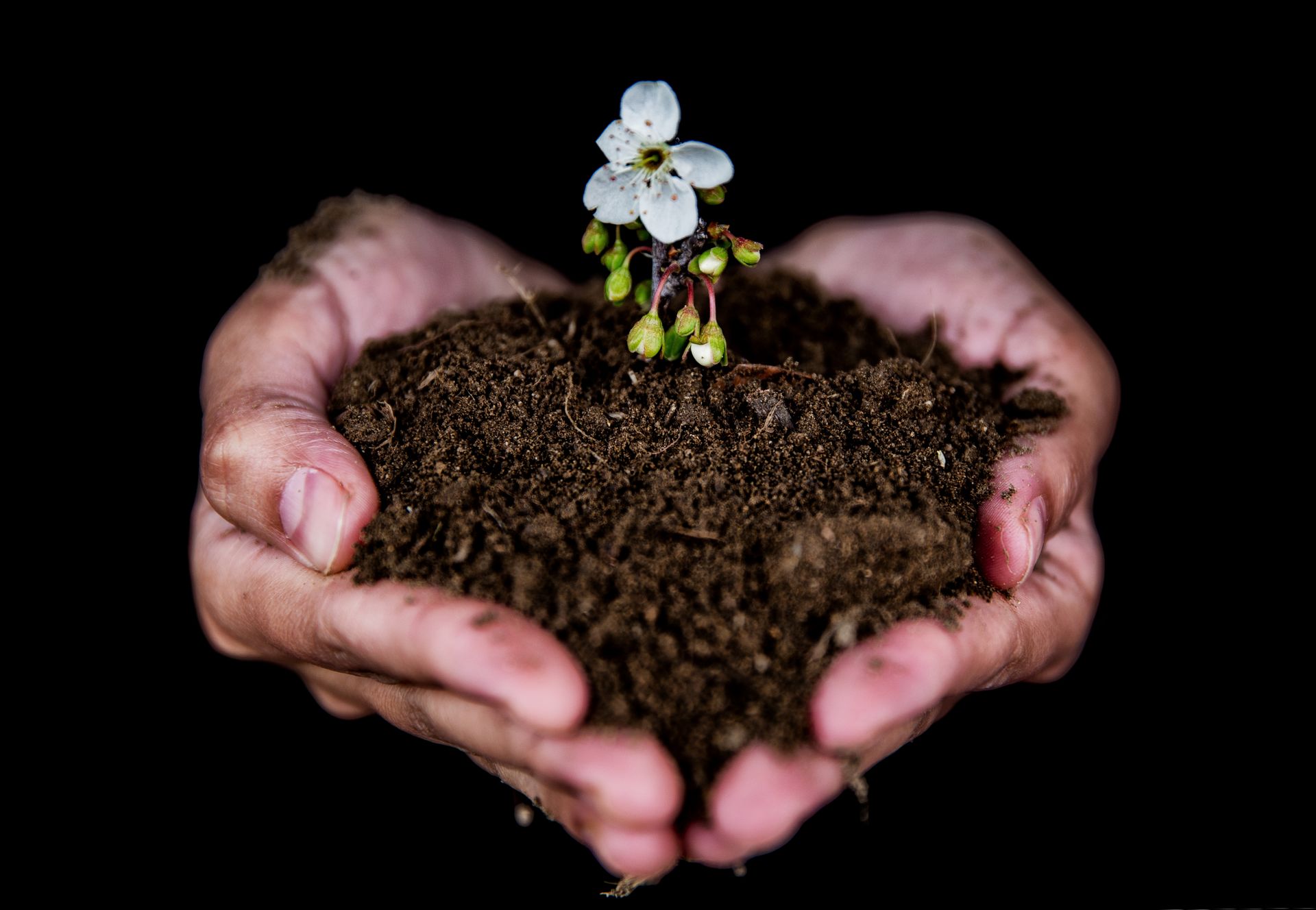
Healthy soil is one of the most valuable resources on any farm. It provides the foundation for strong crops and supports the natural processes that help plants grow.
At Stoney Creek Farm, protecting soil health is an important part of daily farming decisions. Instead of treating soil as just a growing surface, sustainable practices focus on maintaining its structure, nutrients, and biological activity.
Good soil management helps improve:
- Water retention
- Plant growth
- Nutrient availability
- Resistance to erosion
- Long-term productivity
Moreover, farmers understand that soil quality develops over time. It requires patience, observation, and consistent care.
Practices such as adding organic matter, maintaining ground cover, and reducing unnecessary disturbance can help preserve soil health. These approaches support natural processes while reducing pressure on the land.
The use of sustainable farming methods allows Stoney Creek Farm to work with nature. Rather than relying only on short-term solutions, the farm focuses on creating conditions where the soil can continue supporting agriculture.
Protecting Soil Through Natural Farming Techniques
Natural farming techniques play an important role in maintaining a balanced environment. These approaches encourage healthier ecosystems while supporting productive farming.
For example, farmers can use organic materials to improve soil conditions. Compost and other natural inputs help return valuable nutrients to the ground.
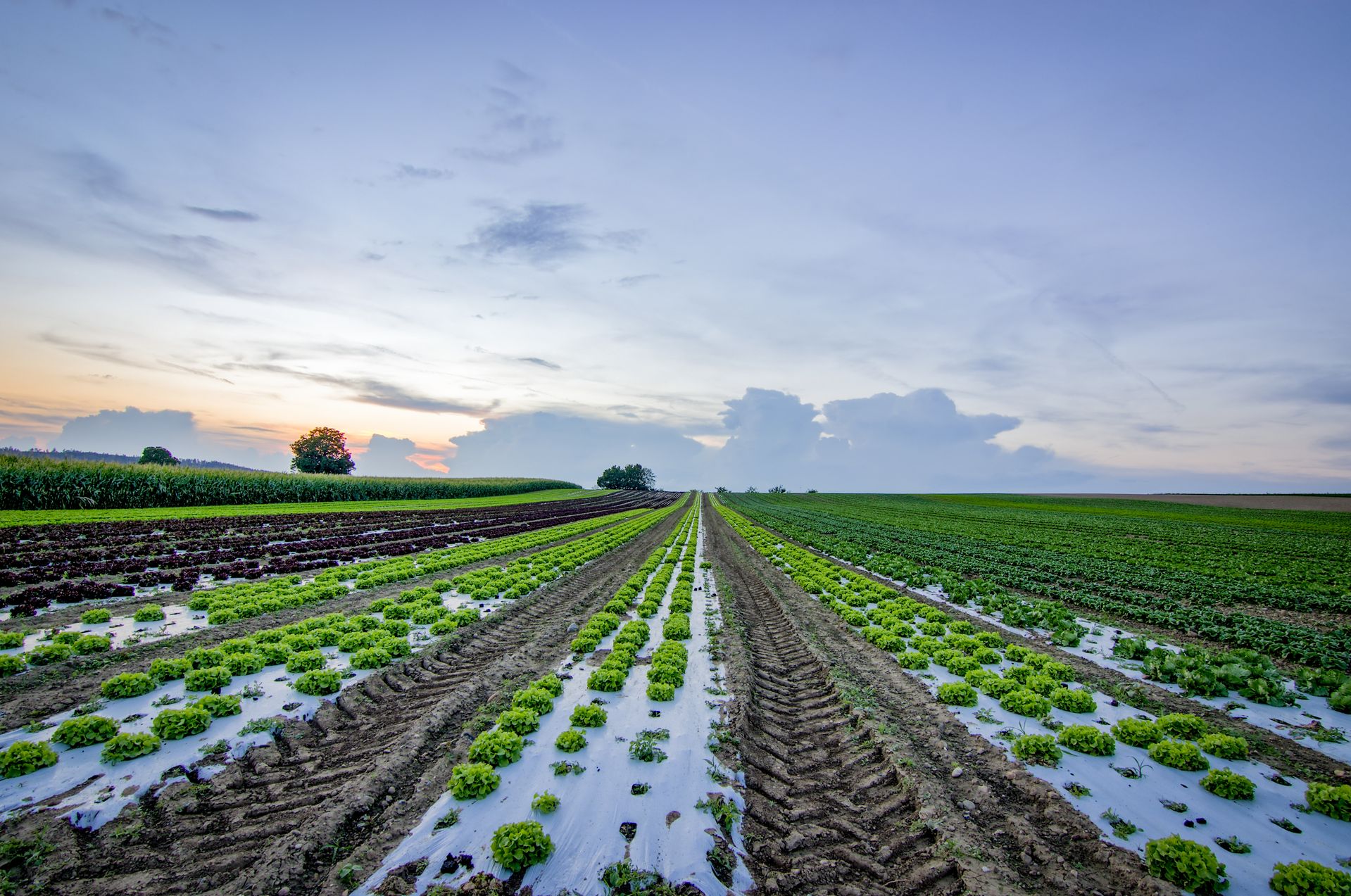
Additionally, crop rotation can support soil health by changing what is planted in different areas over time. Different crops use and replace nutrients in unique ways, creating a more balanced growing environment.
Cover crops are another useful practice. They help protect soil between growing seasons by reducing erosion and supporting soil organisms.
The benefits of these techniques include:
- Improved soil structure
- Reduced nutrient loss
- Better moisture retention
- Increased natural activity within the soil
Furthermore, sustainable farming methods help reduce dependence on practices that may negatively affect the environment when used excessively.
By focusing on natural solutions, Stoney Creek Farm supports healthier land management while maintaining productive farming operations.
Sustainable Farming Methods and Responsible Water Use
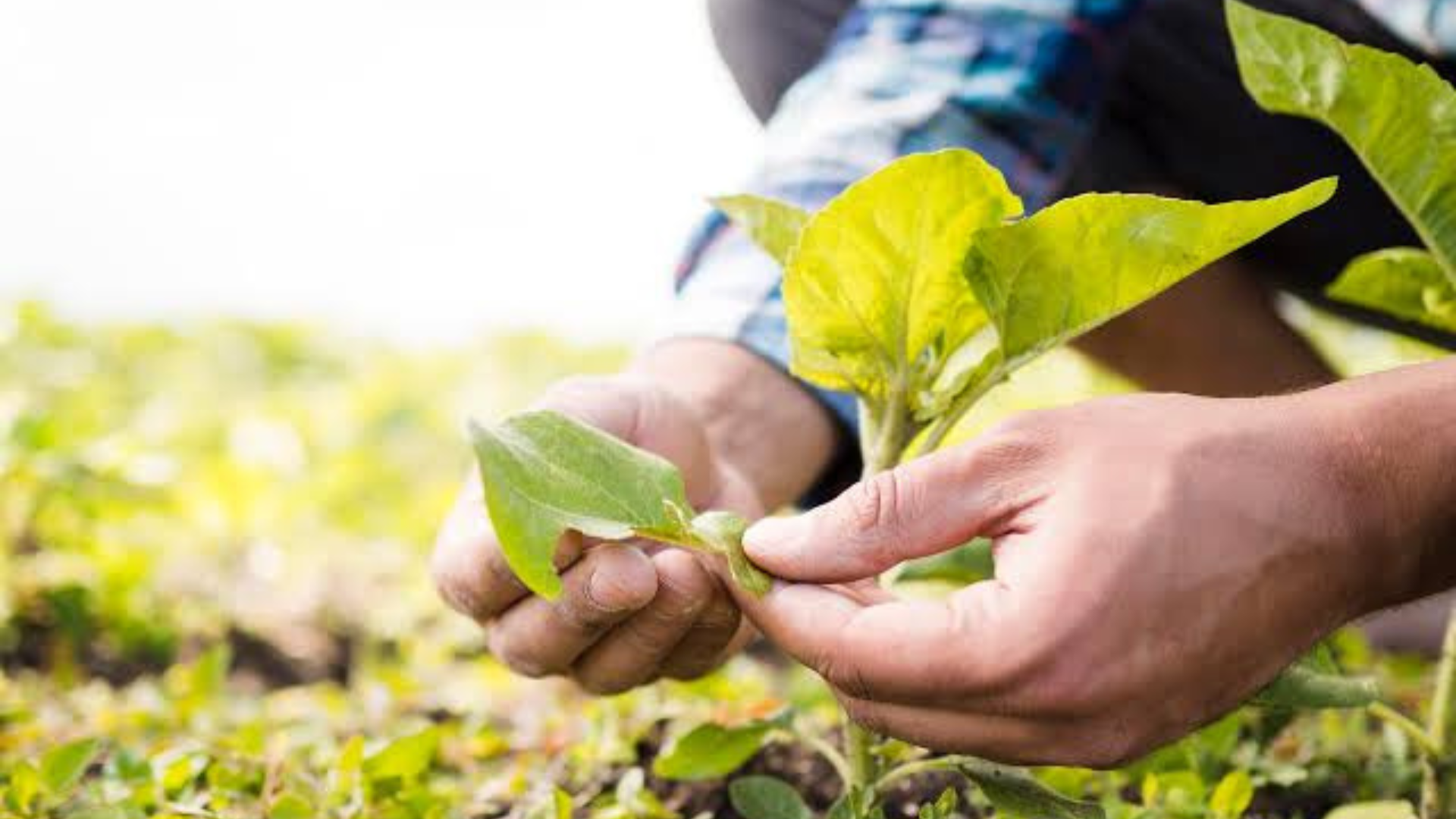
Water is essential for agriculture. However, responsible water management is becoming increasingly important as farming communities face changing environmental conditions.
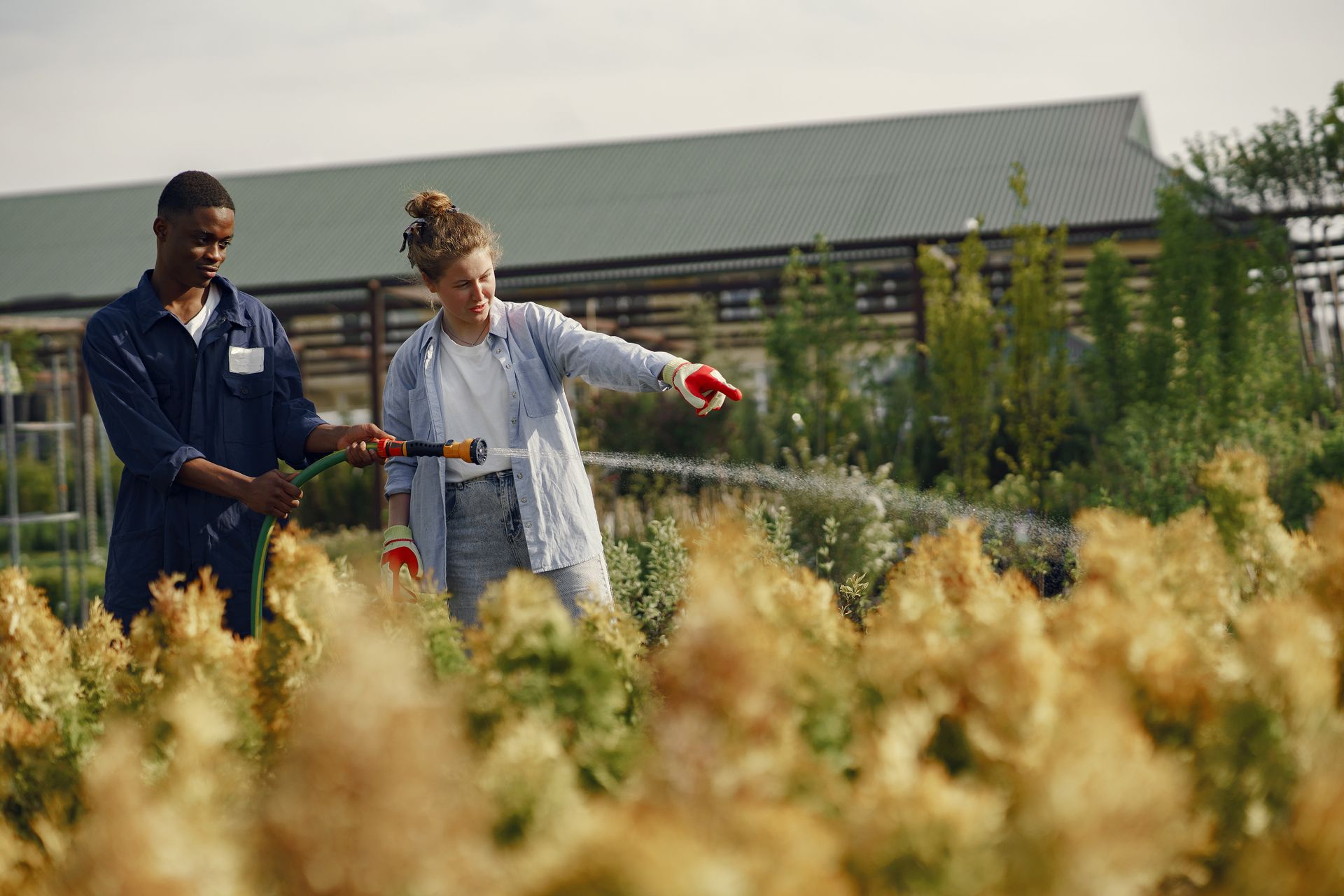
At Stoney Creek Farm, careful water use is part of protecting natural resources. Every drop matters because efficient water management benefits both the farm and the surrounding environment.
Responsible water practices may include:
- Monitoring water requirements carefully
- Avoiding unnecessary waste
- Improving irrigation efficiency
- Protecting natural water sources
- Maintaining healthy soil that holds moisture
Healthy soil plays a major role in water conservation. When soil contains organic matter and strong structure, it can absorb and retain more water.
As a result, crops may require less additional support during dry periods. This creates a more efficient farming system.
Moreover, sustainable farming methods encourage farmers to consider the complete water cycle. Protecting water today helps maintain agricultural opportunities for tomorrow.
The goal is not simply using less water. It is using water wisely while supporting healthy crops and responsible land management.
Reducing Waste Through Smarter Farm Practices
Waste reduction is another important part of sustainable agriculture. Farms naturally create materials that can often be reused or managed more effectively.
At Stoney Creek Farm, reducing waste means finding practical ways to make better use of available resources.
Examples of waste reduction approaches include:
- Reusing organic materials
- Improving storage practices
- Maintaining equipment properly
- Planning resources carefully
- Reducing unnecessary inputs
For example, organic materials can often return nutrients to the soil instead of becoming waste. This creates a natural cycle where resources continue supporting the farm.
Additionally, careful planning helps prevent overuse of supplies. Farmers can make informed decisions by understanding exactly what the land needs.
Therefore, sustainable farming methods are not only environmentally responsible. They also encourage efficiency and thoughtful resource management.
A farm that reduces waste builds stronger systems. These systems can adapt better to challenges while protecting valuable resources.
Supporting Biodiversity Around the Farm
A healthy farm environment includes more than crops and livestock. Biodiversity plays an important role in creating balanced ecosystems.
Plants, insects, birds, and other wildlife all contribute to natural processes. They can support pollination, soil health, and overall environmental stability.
At Stoney Creek Farm, protecting biodiversity means recognizing the importance of the wider ecosystem.
Supporting biodiversity can involve:
- Maintaining natural areas
- Encouraging beneficial insects
- Protecting habitats
- Growing diverse plant varieties
- Respecting local wildlife
Moreover, biodiversity creates resilience. A diverse environment is often better prepared to handle changes in weather, pests, and other challenges.
Sustainable farming methods help create a relationship where agriculture and nature can exist together.
Instead of viewing nature as separate from farming, sustainable approaches recognize that natural systems can support agricultural success.
This balance is a key part of protecting the land for future generations.
How Sustainable Farming Methods Benefit Future Generations
Farming decisions affect more than the current season. They influence the condition of the land for years to come.
At Stoney Creek Farm, sustainability focuses on creating a future where agriculture remains possible and productive.
Protecting soil, conserving water, and supporting biodiversity all contribute to long-term success.
Future generations benefit when farms:
- Maintain healthy natural resources
- Preserve productive land
- Reduce environmental impact
- Share agricultural knowledge
- Build responsible traditions
Furthermore, sustainable farming creates valuable lessons. It shows younger generations that agriculture requires care, innovation, and respect.
The Stoney Creek Farm approach recognizes that the land is not simply a resource to use. It is something to protect and improve.
Therefore, every sustainable decision becomes an investment in the future.
Combining Experience and Innovation on the Farm
Sustainable farming does not mean ignoring progress. Instead, it combines traditional knowledge with modern solutions.
Farmers today have access to better tools, improved information, and new techniques that can support responsible agriculture.
At Stoney Creek Farm, experience remains important. Years of working with the land provide valuable understanding of seasonal patterns and natural changes.
However, innovation also helps improve efficiency. New approaches can help farmers make smarter decisions while reducing waste and protecting resources.
This combination creates a practical approach to sustainability.
The best farming methods are those that respect the past while preparing for the future. Sustainable farming methods allow farms to continue evolving without losing their connection to the land.
The Future of Sustainable Farming at Stoney Creek Farm
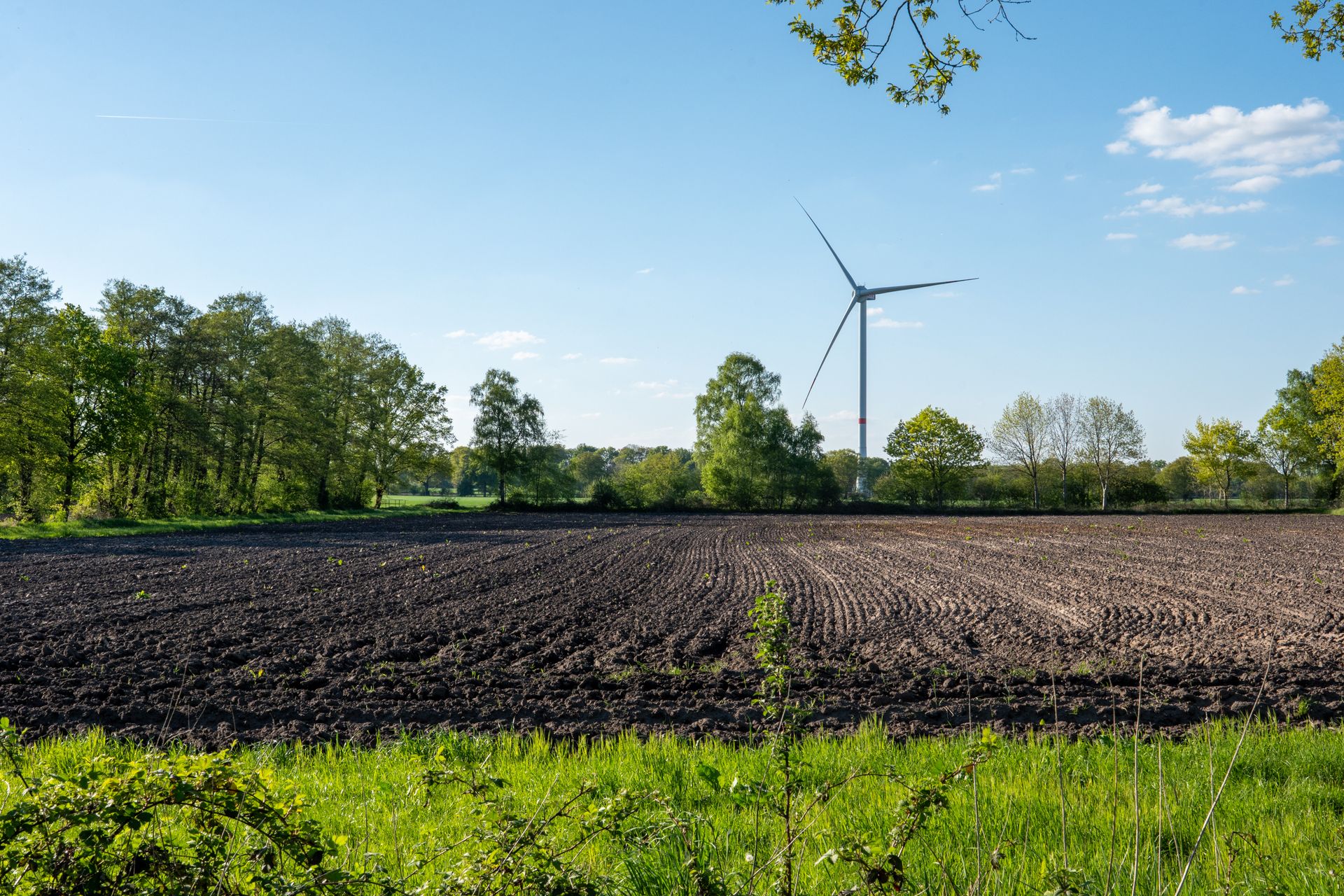
The future of agriculture depends on responsible choices made today. Stoney Creek Farm continues to focus on practices that protect the environment while supporting meaningful agricultural growth.
Sustainability is an ongoing journey. There is always more to learn, improve, and discover.
Future efforts may focus on:
- Improving resource efficiency
- Strengthening soil health practices
- Expanding environmental awareness
- Supporting community education
- Continuing responsible land care
Moreover, sustainable farming requires commitment from everyone involved. Farmers, communities, and consumers all play a role in protecting agricultural systems.
The Stoney Creek Farm vision is built around maintaining a healthy relationship with the land.
Sustainable Farming Methods That Protect Tomorrow’s Harvests
The story of Stoney Creek Farm is closely connected to the land it depends on. Through careful soil management, responsible water use, waste reduction, and biodiversity protection, the farm works toward a more sustainable future.
Sustainable farming methods are not only about today’s harvest. They are about preserving opportunities for tomorrow.
Every decision matters. Every improvement contributes to a stronger agricultural system.
By respecting natural resources and embracing responsible practices, Stoney Creek Farm continues building a future where farming and nature can thrive together.