Sustainable farming helps farmers produce food while protecting the soil, water, biodiversity, and other resources that future production depends on. Rather than relying on a single method, sustainable agriculture combines practical techniques that improve farm efficiency and long-term resilience.
Every farm has different conditions, so farmers should adapt sustainable practices to their climate, soil, crops, livestock, and available resources.
Learning the sustainable farming practices every farmer should know can help improve resource management while supporting productive and resilient agricultural systems.
Protect Soil Health
Healthy soil forms the foundation of successful farming.
Avoid practices that unnecessarily expose soil to erosion, compaction, or nutrient loss. Use methods that maintain soil structure and organic matter.
Cover crops, appropriate mulching, crop rotation, reduced soil disturbance, and suitable organic amendments can support soil health.
However, no single technique works equally well on every farm. Choose methods based on local soil conditions and crop requirements.
Practice Crop Rotation
Growing the same crop repeatedly in the same field can increase certain pest and disease pressures and may contribute to nutrient imbalances.
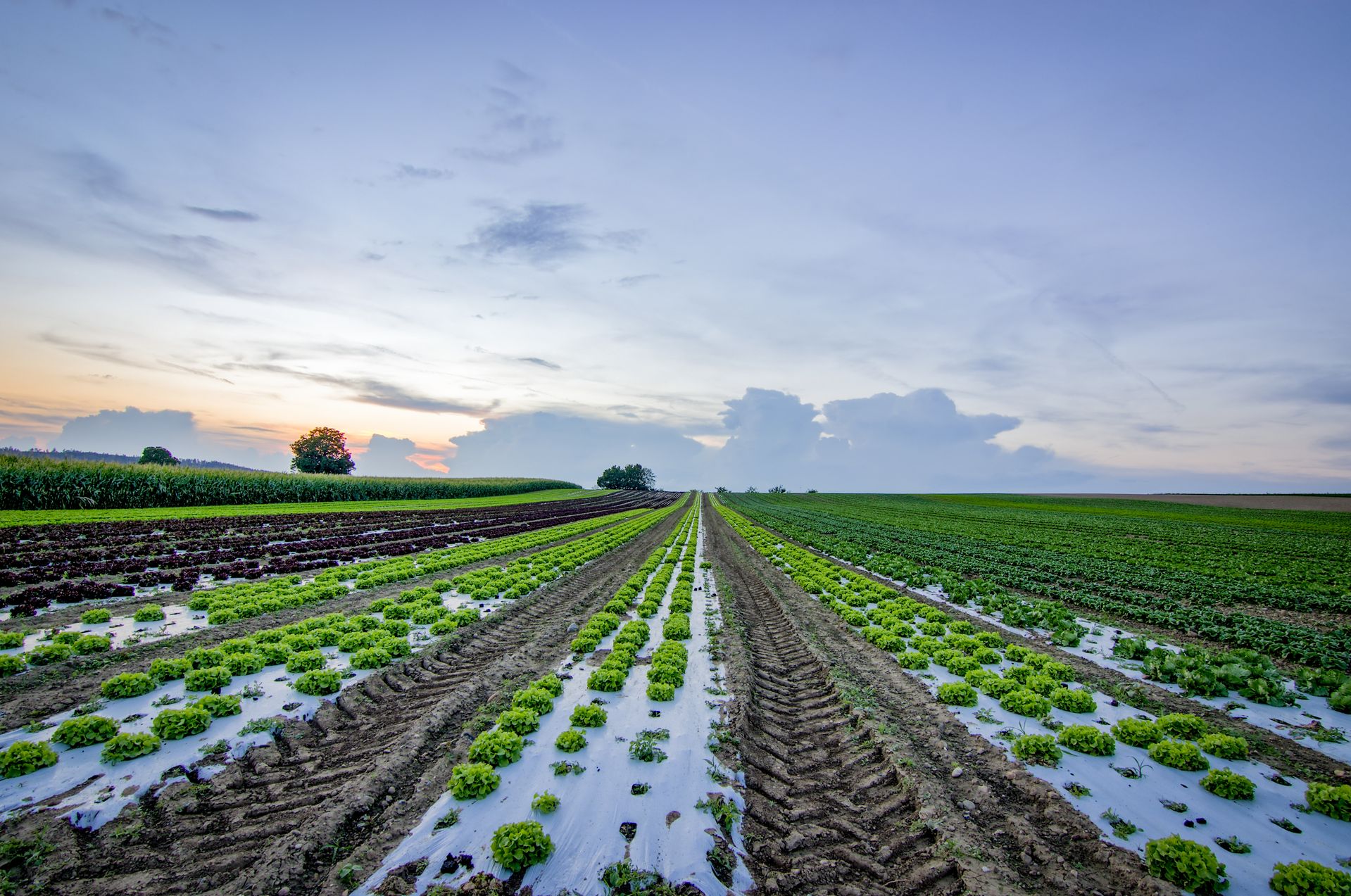
Crop rotation involves changing the types of crops grown in a particular area over different seasons.
For example, farmers can rotate crops from different plant families and include crops with different nutrient requirements.
Legumes can be useful in some rotation systems because they can contribute nitrogen to agricultural soils through biological processes.
A well-planned rotation can support soil health while diversifying farm production.
Use Cover Crops
Cover crops protect soil when fields would otherwise remain exposed.
Depending on the region and farming system, suitable cover crops may include grasses, legumes, or other plants adapted to local conditions.
They can help reduce erosion, improve soil structure, suppress certain weeds, and contribute organic matter when managed appropriately.
Choose cover crops based on the following crop, available moisture, climate, and management requirements.
Conserve Water
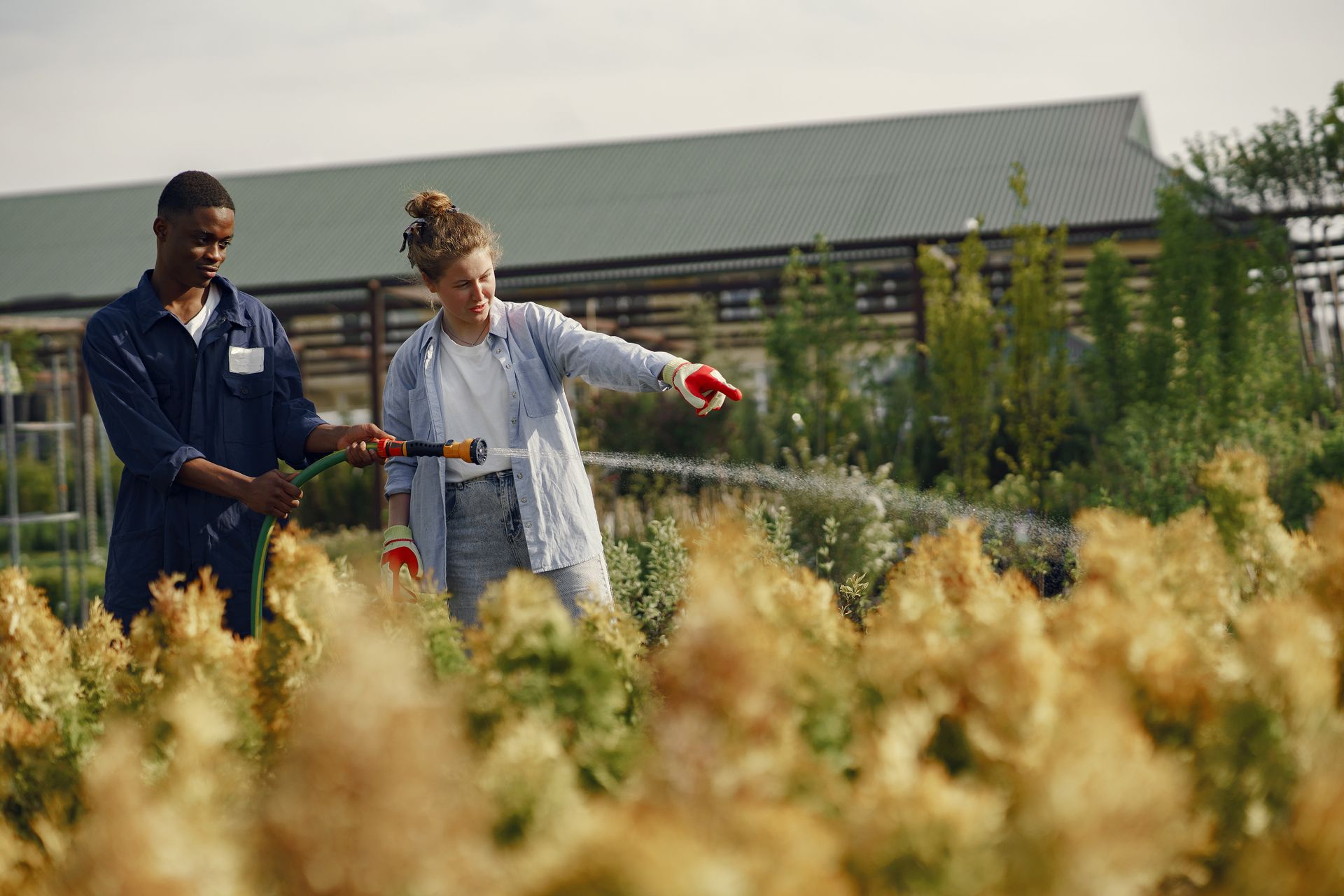
Efficient water management is essential, particularly in areas affected by drought or irregular rainfall.
Farmers can improve water efficiency by using appropriate irrigation systems, monitoring soil moisture, reducing unnecessary evaporation, and maintaining healthy soil.
Mulching can help conserve moisture near plant roots.
Where practical and legally permitted, farms can also collect and store rainwater for appropriate uses.
Good irrigation management provides crops with the water they need without unnecessary waste.
Improve Irrigation Efficiency
Irrigation systems should match the needs of the farm.
Drip irrigation can deliver water directly near plant roots in suitable systems, while other irrigation methods may be appropriate for different crops and field conditions.
Inspect irrigation equipment regularly for leaks, blockages, and other problems.
Schedule irrigation based on crop requirements, soil conditions, weather, and available water rather than following an inflexible routine.
Use Compost and Organic Matter
Compost can help return organic matter to agricultural soils.
Suitable farm residues, plant materials, and other organic resources can be processed into compost under controlled conditions.
Before applying compost, make sure it has decomposed properly and is appropriate for the intended crop and soil.
Organic matter can improve soil structure and water-holding capacity while supporting biological activity.

Manage Fertilizer Carefully
Plants need nutrients, but excessive fertilizer can waste money and contribute to environmental problems.
Use soil tests and crop nutrient requirements to guide fertilizer applications.
Apply nutrients at appropriate rates, times, and locations.
Precision in fertilizer management can improve nutrient-use efficiency while reducing unnecessary losses.
Integrated nutrient management can combine organic materials, crop residues, biological processes, and mineral fertilizers when appropriate.
Use Integrated Pest Management
Integrated pest management, or IPM, focuses on managing pests rather than automatically trying to eliminate every insect.
Start by monitoring crops and identifying pests accurately.
Depending on the situation, farmers can use crop rotation, resistant varieties, sanitation, physical barriers, biological controls, and carefully selected pesticides.
Use chemical treatments only when appropriate and follow label instructions, safety requirements, and local regulations.
This approach can help reduce unnecessary pesticide use while protecting crop production.
Encourage Biodiversity
A diverse agricultural environment can support beneficial organisms and improve ecological resilience.
Farmers can incorporate suitable hedgerows, flowering plants, trees, buffer zones, or other habitat where practical.
Diversity can provide resources for pollinators and beneficial insects.
However, biodiversity plans should consider farm operations, local ecology, available land, and potential pest risks.
Reduce Soil Erosion
Erosion can remove valuable topsoil and reduce long-term productivity.
Use appropriate erosion-control practices based on the landscape.
Cover crops, contour farming, terraces, windbreaks, grassed waterways, and maintaining vegetation in vulnerable areas can help reduce soil loss where suitable.
Avoid leaving vulnerable soils exposed for longer than necessary.
Manage Livestock Responsibly
Sustainable farming also includes responsible livestock management.
Provide animals with appropriate feed, clean water, suitable shelter, adequate space, and proper veterinary care.
Rotational grazing can help manage pasture use in appropriate systems.
Avoid overgrazing because it can damage vegetation, compact soil, and increase erosion.
Manage manure responsibly to reduce nutrient losses and protect nearby water resources.
Reduce Farm Waste
Look for opportunities to reuse or recycle suitable farm materials.
Crop residues can sometimes become compost, mulch, animal feed, or other useful resources depending on the material and farming system.
Maintain equipment properly to reduce unnecessary replacement and waste.
Good inventory management can also prevent farmers from purchasing more supplies than they need.
Use Renewable Energy Where Practical
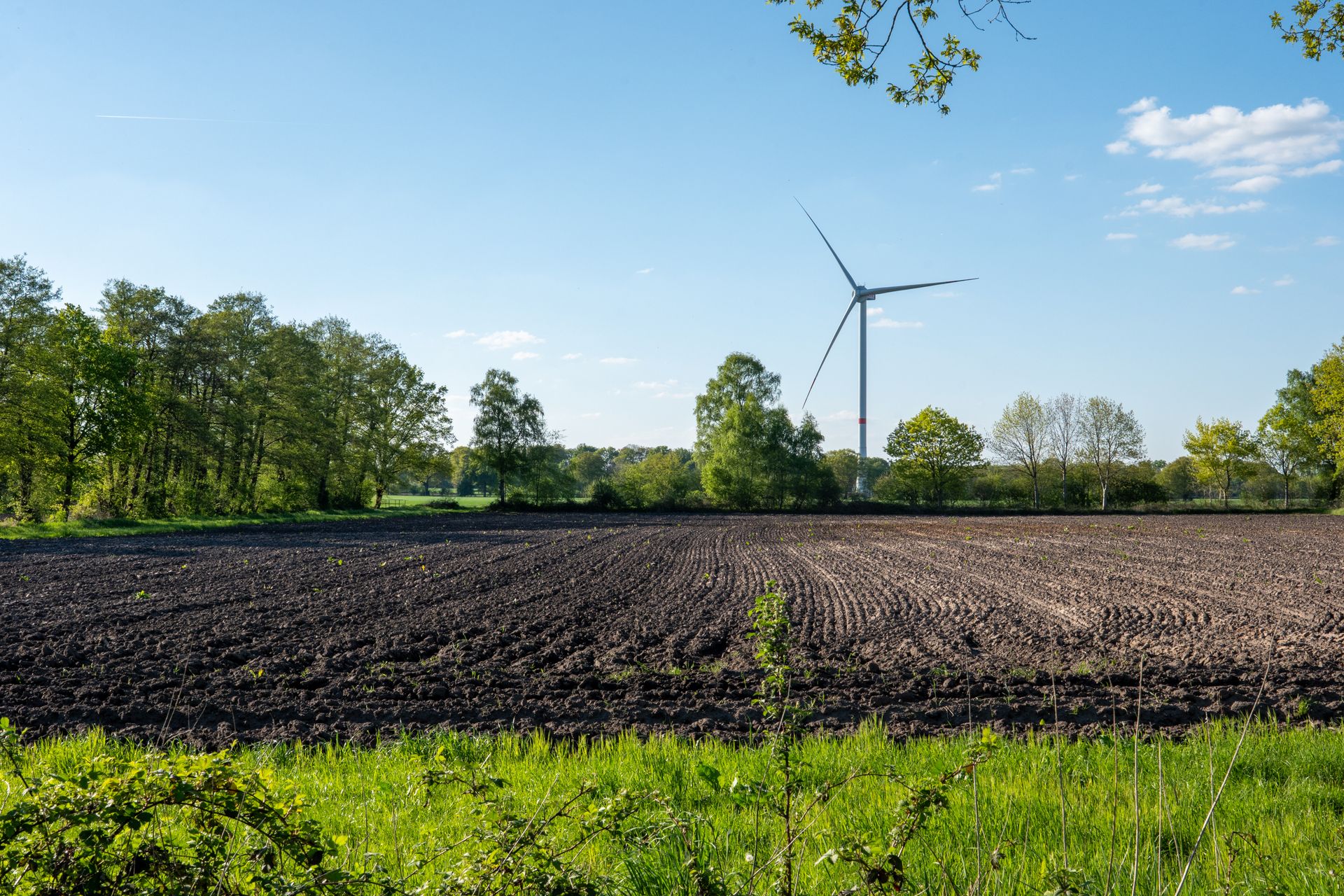
Some farms can benefit from renewable energy systems.
Solar power, for example, may support suitable applications such as water pumping, lighting, or other electrical needs.
Before investing, calculate installation costs, maintenance requirements, expected energy production, and long-term savings.
Renewable energy should complement an efficient farm system rather than replace basic resource management.
Maintain Farm Records
Good records help farmers make informed decisions.
Track crop yields, input costs, irrigation, fertilizer use, pest problems, weather conditions, livestock performance, and other important information.
Review these records after each season.
You may discover that certain crops consistently produce better results or that particular inputs provide little value.
Data can help farmers improve efficiency over time.
Build Climate Resilience
Weather patterns can create significant challenges for agricultural production.
Farmers can improve resilience by diversifying crops, improving soil health, conserving water, using appropriate varieties, and maintaining flexible production plans.
Do not rely on a single crop or farming method when diversification is practical.
Building resilience helps farms respond more effectively to drought, heavy rainfall, heat, pests, and other environmental pressures.
Start With Practical Changes
Farmers do not need to transform their entire operation at once.
Choose practices that address your farm’s most important challenges.
For example, a farm facing erosion might begin with cover crops and improved soil protection. A water-limited farm could prioritize irrigation efficiency and soil-moisture conservation.
Measure results and adjust your approach as you gain experience.
Final Thoughts
The sustainable farming practices every farmer should know include protecting soil, conserving water, rotating crops, managing nutrients carefully, reducing erosion, supporting biodiversity, and using integrated pest management.
Sustainable agriculture does not require one universal formula. Instead, farmers should combine practical methods that suit their land, climate, crops, livestock, and resources.
Start with the areas where your farm has the greatest opportunities for improvement. With consistent monitoring, careful planning, and gradual changes, sustainable practices can support productive farming while protecting valuable resources for future generations.