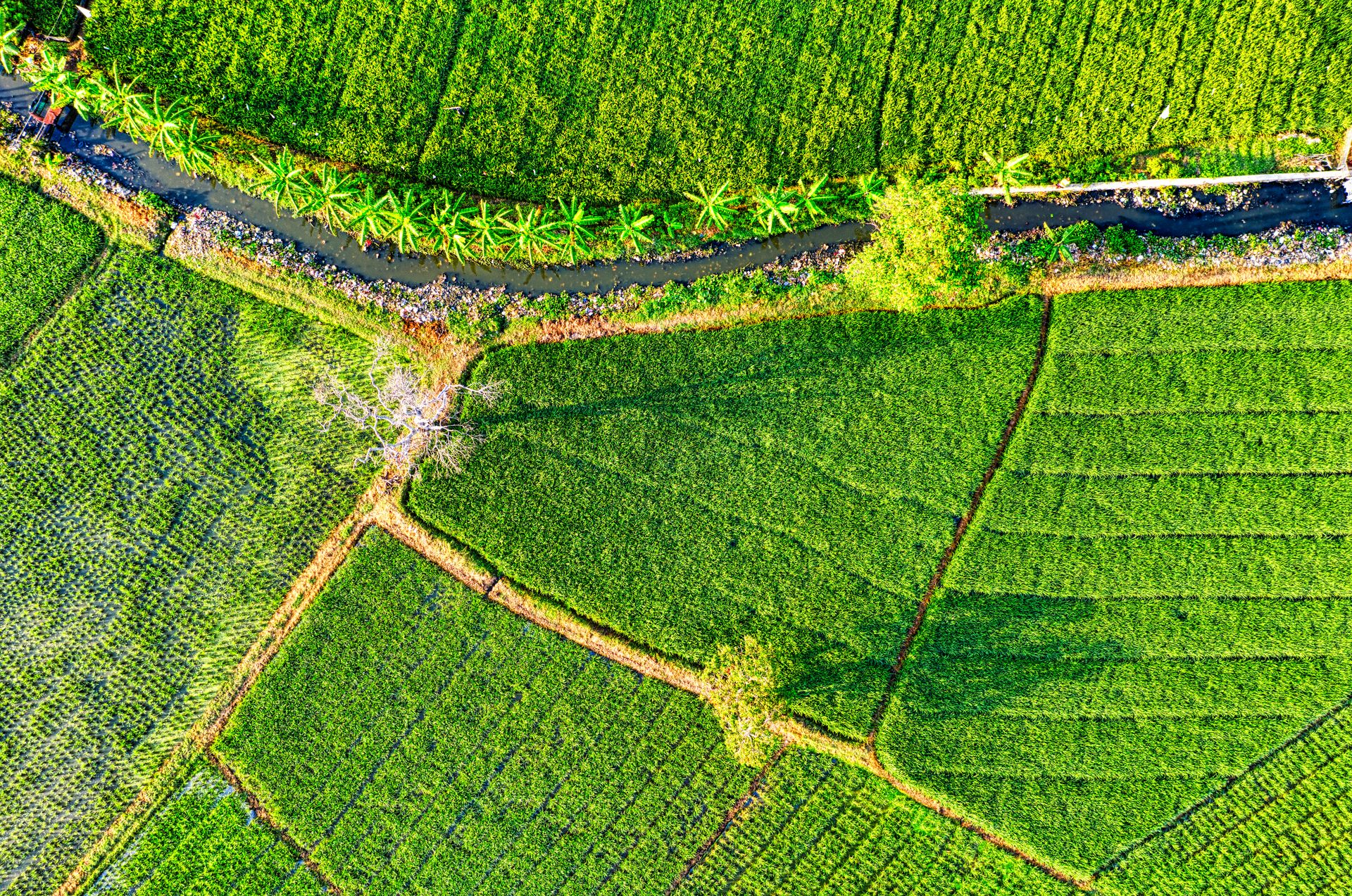
Sustainable farming can help farmers protect soil, water, crops, animals, and natural resources while producing food for the future. It does not require changing an entire farm at once. Farmers can begin with simple steps and improve their methods over time. In this article, we discuss how to start sustainable farming practices and explain practical ways to reduce waste, improve soil health, save water, support useful wildlife, and manage farm resources carefully. A good plan should match the farm’s size, climate, budget, and available resources.
Start With A Farm Assessment
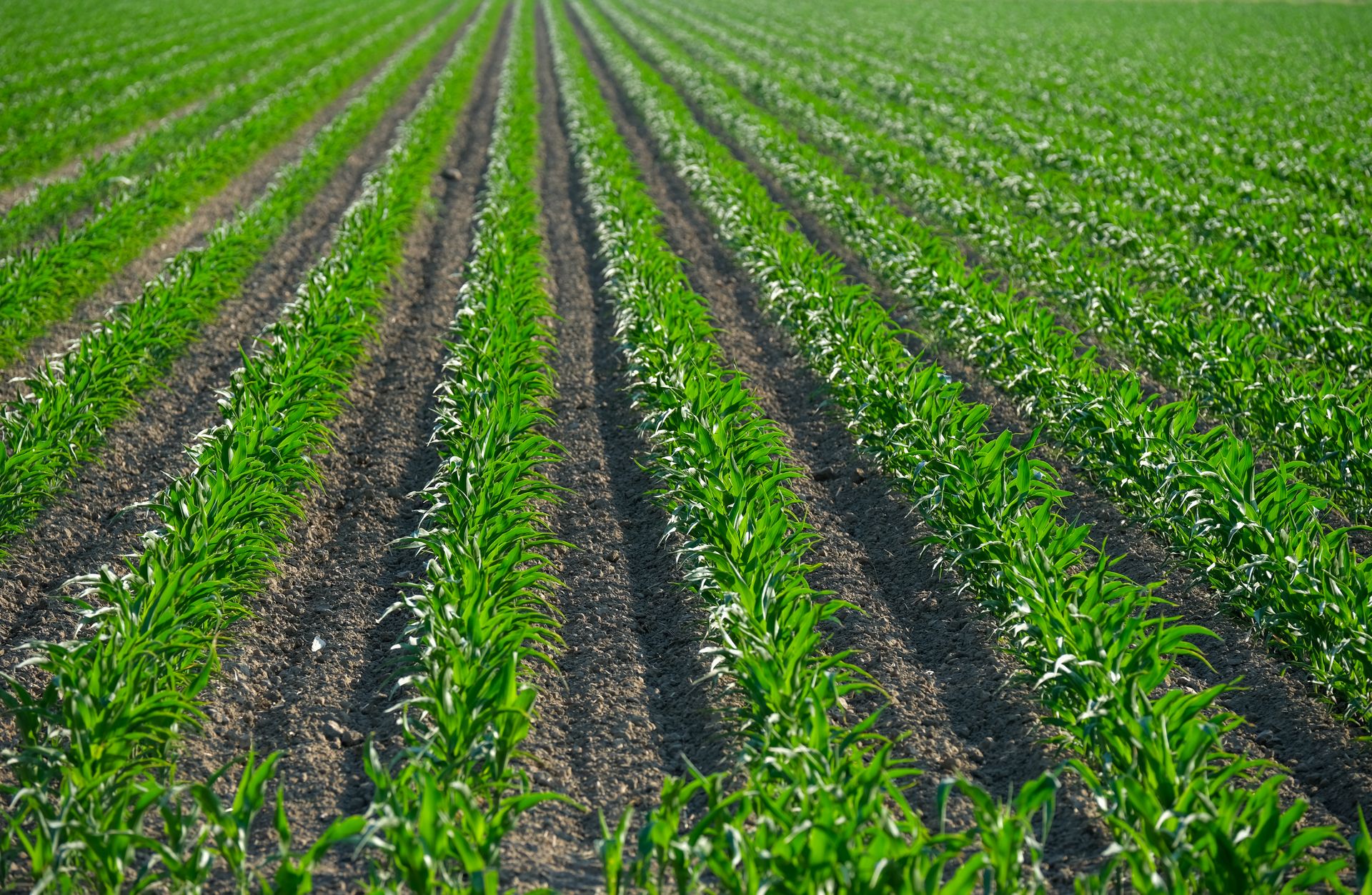
Before changing your farming methods, take time to understand your current system. Look at your soil, water sources, crops, livestock, equipment, waste, and energy use. Identify areas where resources are being wasted or where problems occur regularly. For example, you may notice soil erosion, excessive water use, poor crop growth, or unnecessary fertilizer costs. A simple assessment can help you choose the changes that will have the greatest benefit.
Improve Soil Health
Healthy soil is important for productive farming. Good soil can support plant roots, hold suitable amounts of water, and provide nutrients for crops. Farmers can protect soil by reducing unnecessary disturbance and adding suitable organic matter. Compost, crop residues, and other appropriate materials can improve soil structure when used correctly. Avoid adding materials that may contain harmful chemicals or contaminants.
Use Cover Crops
Cover crops can protect exposed soil between main crops. Suitable plants can help reduce erosion, add organic matter, and support soil life. The best cover crop depends on the local climate, soil, and farming system. Farmers should choose species that fit their conditions and manage them properly before planting the next crop.
Practice Crop Rotation
Growing the same crop in the same place repeatedly can contribute to certain pest, disease, and soil problems. Crop rotation changes the type of crop grown in an area over different seasons. Including crops with different nutrient needs can help support better soil management. Farmers should design rotations according to their climate, soil, market needs, and available crops.
Save Water
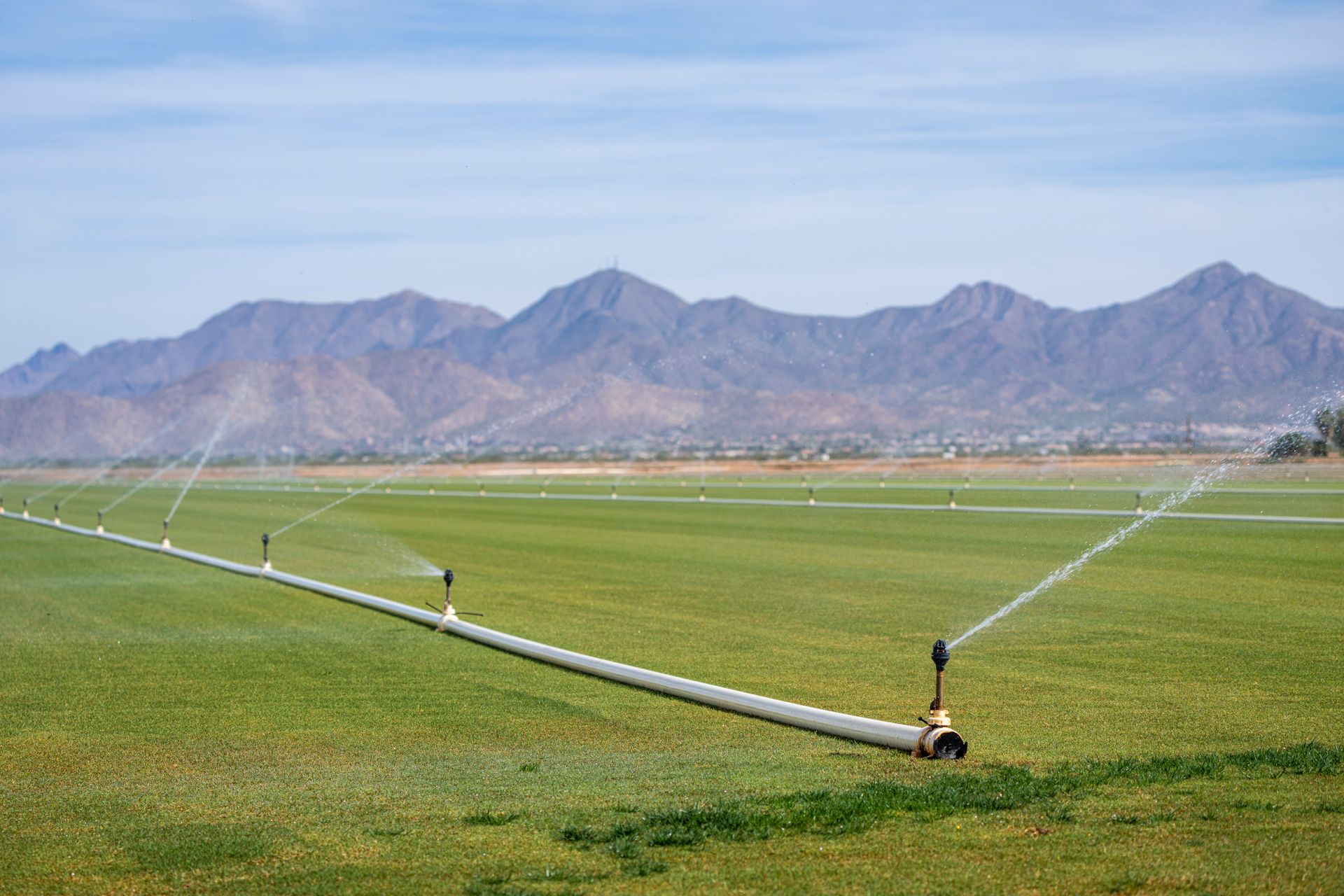
Water is one of the most important resources on a farm. Use irrigation systems that deliver water efficiently and avoid watering areas that do not need it. Check irrigation equipment regularly for leaks and damage. Watering at suitable times can also reduce unnecessary evaporation. Mulching can help retain soil moisture and reduce the need for frequent watering.
Reduce Chemical Use
Sustainable farming does not necessarily mean eliminating every agricultural product, but it does encourage careful use. Farmers can monitor crops regularly and identify problems before they become severe. Integrated pest management can combine methods such as crop rotation, physical controls, biological controls, and carefully selected treatments when needed. Always follow product instructions and local requirements when using agricultural chemicals.
Protect Natural Habitats
Natural areas around a farm can support beneficial insects, birds, pollinators, and other wildlife. Where practical, farmers can maintain suitable vegetation along field edges, waterways, and other areas. Avoid removing useful habitats without a clear reason. Protecting these spaces can contribute to biodiversity and may support natural pest control.
Reduce Farm Waste
Farm waste can often be reduced through better planning and reuse. Crop residues may have useful purposes when handled safely, while suitable organic waste can sometimes be composted. Avoid burning or dumping materials unnecessarily. Keep potentially harmful substances away from soil and water sources. Separating different types of waste can make disposal and reuse easier.
Choose Suitable Seeds
Selecting seeds that perform well under local conditions can support reliable production. Consider climate, soil, rainfall, disease pressure, growing season, and market demand before choosing varieties. Local agricultural experts and experienced farmers can provide useful information about suitable crops. Good seed selection can reduce the need for excessive inputs and improve the chances of a successful harvest.
Manage Livestock Responsibly
Sustainable farming also includes responsible animal care. Provide livestock with suitable food, clean water, safe shelter, and enough space. Manage grazing areas carefully to prevent overgrazing and soil damage. Rotating grazing areas can give vegetation time to recover. Keep animal waste away from water sources and manage it in a way that protects the environment.
Use Energy Wisely
Farm machinery, irrigation systems, storage facilities, and other equipment can require significant energy. Regular maintenance can help equipment work efficiently and reduce unnecessary fuel use. Farmers can also consider suitable renewable energy options where they are practical and affordable. Start by identifying the activities that consume the most energy and look for realistic ways to reduce their use.
Keep Farm Records
Good records can help farmers understand whether sustainable changes are working. Record crop yields, water use, fertilizer applications, pest problems, expenses, and other important information. Compare results between seasons and identify areas that need improvement. Records can also help farmers make better financial decisions and avoid repeating costly mistakes.
Make Changes Gradually
Trying to change every farming method at once can be expensive and difficult. Begin with one or two practices that address your most important problems. For example, you might start with soil improvement, better irrigation, or crop rotation. Measure the results and make adjustments before expanding the approach. Gradual changes can make sustainable farming easier to manage.
Conclusion
Learning how to start sustainable farming practices begins with understanding the needs of your farm and making practical improvements. Focus on healthy soil, efficient water use, crop rotation, responsible pest management, waste reduction, suitable seeds, and careful livestock management. Protect natural habitats and use energy wisely where possible. Keep records so you can measure progress and improve your methods. Sustainable farming is a long-term process, so start with realistic changes and build a stronger system over time.