Modern farming benefits extend far beyond producing larger harvests. Today, farmers can combine traditional agricultural knowledge with technology, improved crop varieties, better equipment, and data-driven decisions. As a result, they can manage resources more efficiently while responding to changing weather, market demands, and consumer expectations.
Modern agriculture does not simply replace traditional methods. Instead, it gives farmers additional tools for solving familiar challenges. When farmers use these tools wisely, they can increase productivity, reduce waste, protect natural resources, and build more resilient agricultural businesses.
Higher Agricultural Productivity
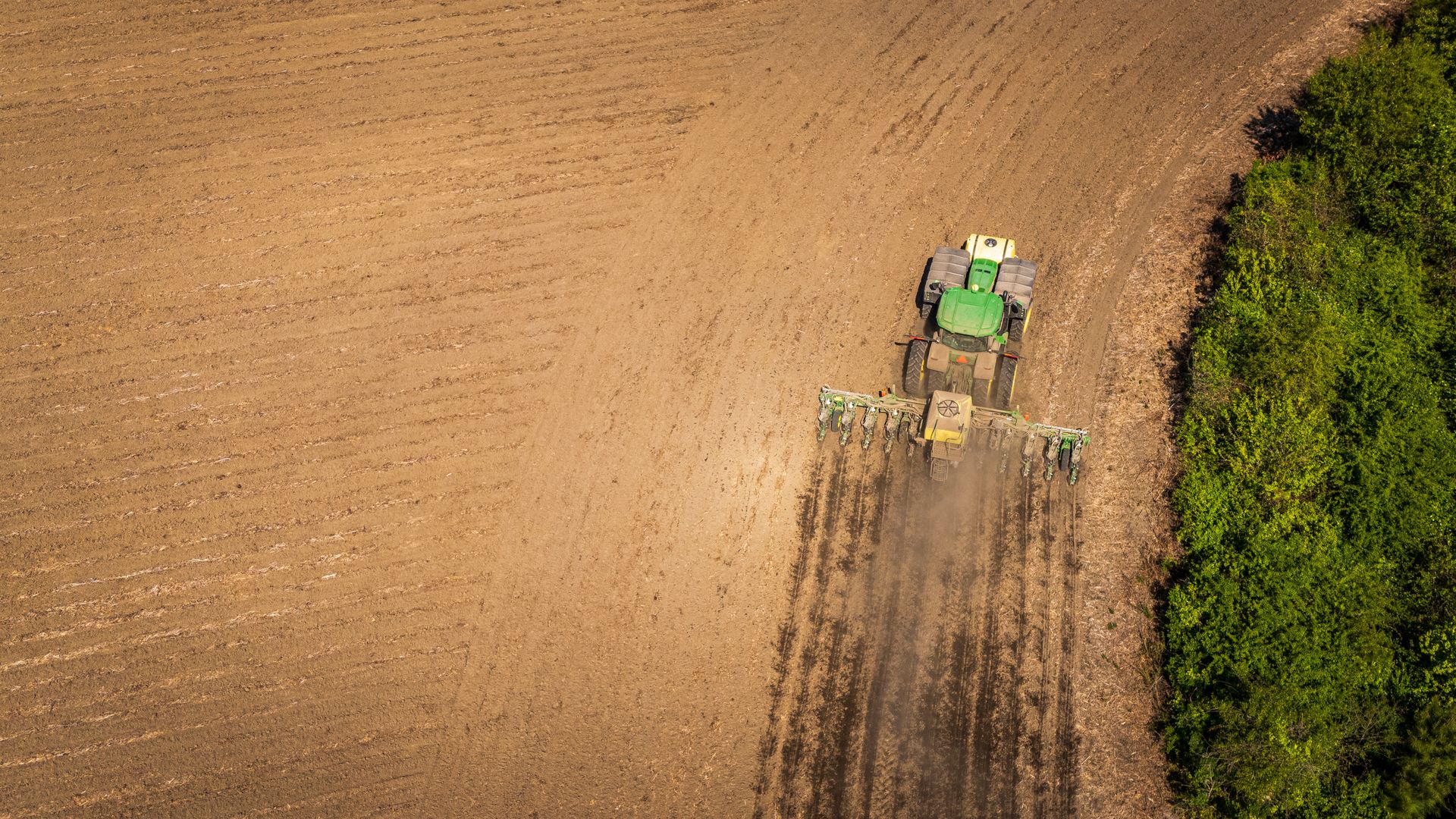
One of the most noticeable rewards of modern agriculture is improved productivity. Farmers can now use precision equipment, improved irrigation systems, soil testing, and better planting techniques to help crops reach their full potential.
For example, precision technology can help farmers apply water, fertilizer, and crop protection products according to specific field conditions. Consequently, farmers can avoid treating every part of a field in exactly the same way.
Improved seeds also contribute to productivity. Plant breeders develop varieties with useful characteristics such as:
-
Higher yields
-
Improved disease resistance
-
Better drought tolerance
-
Faster maturity
-
Greater adaptability to local conditions
When farmers combine appropriate varieties with sound management practices, they can produce more food from available farmland.
Better Use of Natural Resources
Agriculture depends heavily on resources such as water, soil, and energy. Fortunately, modern farming provides methods that can help farmers use these resources more efficiently.
Smarter Water Management
Efficient irrigation systems can deliver water closer to plant roots and reduce unnecessary losses. Drip irrigation, moisture monitoring, and automated irrigation controls can help farmers provide crops with water when they need it.
Furthermore, better water management can reduce pressure on local water supplies. This becomes especially valuable in regions that experience irregular rainfall or extended dry periods.
Protecting Soil Health
Modern equipment and conservation practices can also support healthier soils. Reduced tillage, cover crops, crop rotation, and targeted nutrient applications can help minimize erosion and maintain soil structure.
Therefore, modern farming benefits can extend beyond the current harvest by encouraging practices that preserve productive farmland for future seasons.
Reduced Labor and Greater Efficiency
Farming often requires significant physical effort and careful timing. Modern machinery can perform many repetitive tasks more quickly and consistently than manual labor alone.
Tractors, planters, harvesters, automated systems, and specialized equipment can reduce the time required to complete important agricultural operations. As a result, farmers can manage larger areas without necessarily increasing their workforce at the same rate.
Technology can also reduce human error. Automated equipment can follow precise routes, maintain consistent planting depths, and distribute inputs more evenly.
However, technology works best when farmers understand how to operate and maintain it. Training therefore remains an important part of agricultural modernization.
Improved Decision-Making
Farmers no longer need to rely solely on visual observations when making important decisions. Weather stations, satellite imagery, soil sensors, farm-management software, and other digital tools can provide useful information.
For instance, farmers can monitor crop development and identify areas that require additional attention. They can also examine historical information to understand which practices produced the strongest results.
The Value of Agricultural Data
Data allows farmers to compare outcomes and make more informed choices. A farmer might track:
-
Planting dates
-
Rainfall
-
Soil conditions
-
Fertilizer applications
-
Pest activity
-
Crop yields
-
Production costs
Over time, these records can reveal patterns that support better planning. Instead of making decisions based entirely on assumptions, farmers can use evidence from their own fields.
Greater Resilience to Climate Challenges
Changing weather patterns create serious challenges for agriculture. Droughts, intense rainfall, heat, and shifting pest populations can affect production.
Modern farming approaches can help farmers prepare for these challenges. Drought-tolerant crops, efficient irrigation, weather forecasting, protected cultivation, and conservation practices can reduce some risks.
Moreover, diversification can strengthen farm resilience. Farmers who grow several crops or combine crop production with livestock may reduce their dependence on a single source of income.
New Economic Opportunities
Agricultural modernization can create opportunities beyond the farm itself. As farmers increase production and improve quality, they may access new markets, processing opportunities, and value-added businesses.
For example, a farmer can move beyond selling raw produce by processing, packaging, drying, or preserving agricultural products. This approach can create additional income while reducing losses after harvest.
Modern agricultural technology can also create employment in areas such as equipment maintenance, agricultural consulting, data management, food processing, and supply-chain services.
Supporting Sustainable Agriculture
Productivity and sustainability do not have to compete with each other. In fact, modern farming benefits can support both goals when farmers use technology alongside responsible land-management practices.
Farmers can reduce unnecessary inputs, conserve water, protect soil, monitor crops more carefully, and minimize waste. These practices can lower production costs while also reducing environmental pressure.
Nevertheless, modernization requires thoughtful investment. Farmers should choose technologies according to their farm size, budget, skills, and actual needs rather than adopting expensive equipment simply because it is available.
Looking Toward the Future
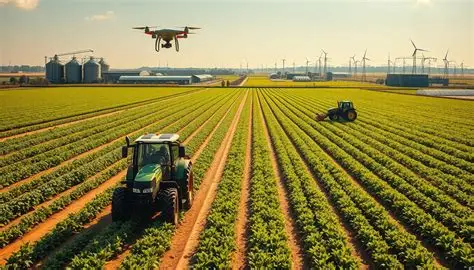
The future of agriculture will likely combine increasingly advanced technology with practical farming knowledge. Artificial intelligence, robotics, improved breeding techniques, renewable energy, and precision agriculture may provide farmers with even more ways to improve production.
Still, successful farming will always depend on understanding local conditions. Technology cannot replace knowledge of soil, weather, crops, livestock, and community needs.
Ultimately, modern farming benefits farmers by giving them better tools to produce efficiently, respond to risks, and manage resources responsibly. When farmers combine innovation with experience, they can create agricultural systems that are both productive and resilient.
The rewards of modern agriculture therefore reach beyond individual farms. They can contribute to stronger food supplies, new economic opportunities, better resource management, and more sustainable rural communities. By adopting suitable technologies and practices at a practical pace, farmers can turn innovation into lasting agricultural progress. These modern farming benefits make modernization an important pathway toward a more productive and adaptable food system.