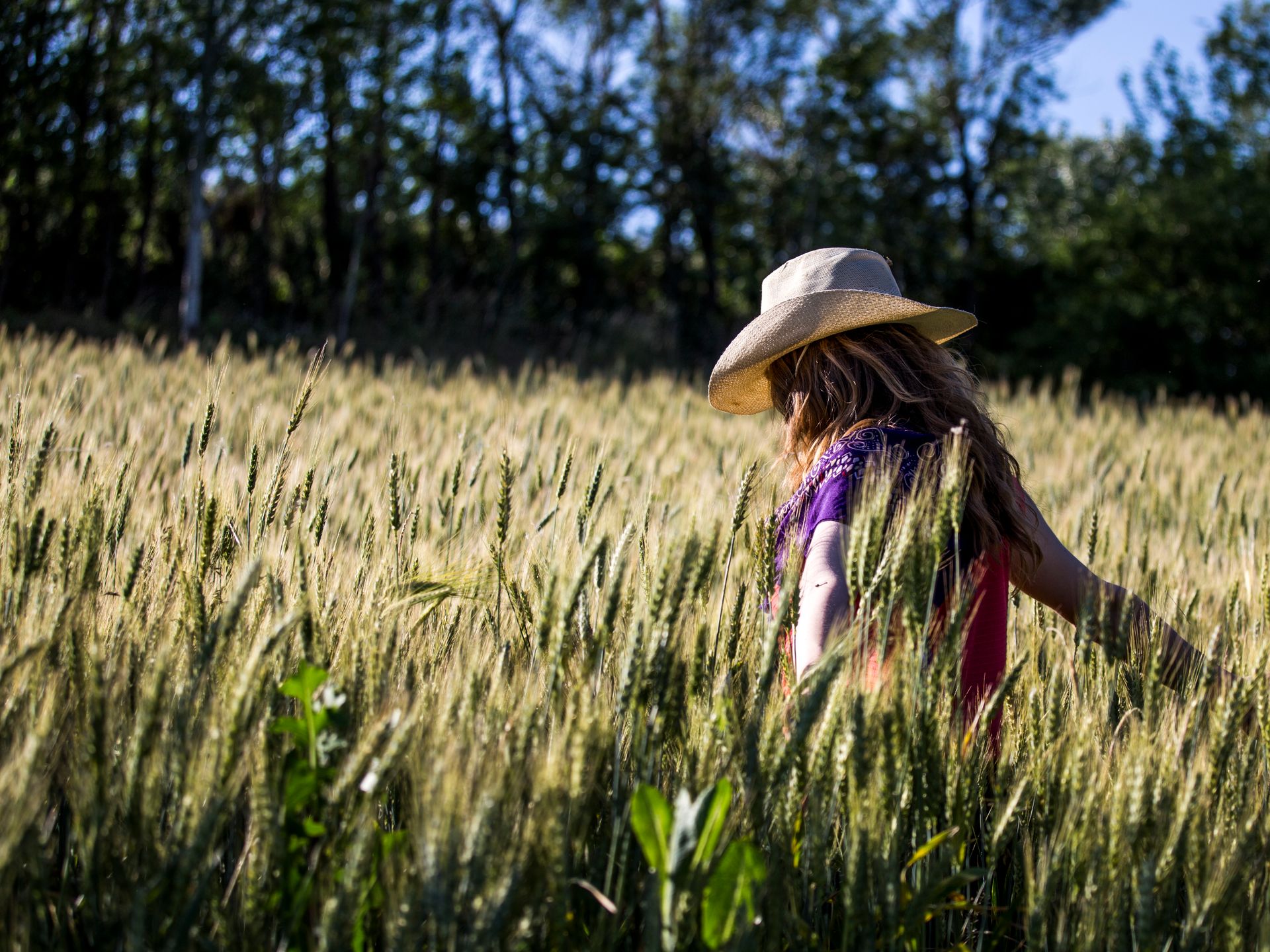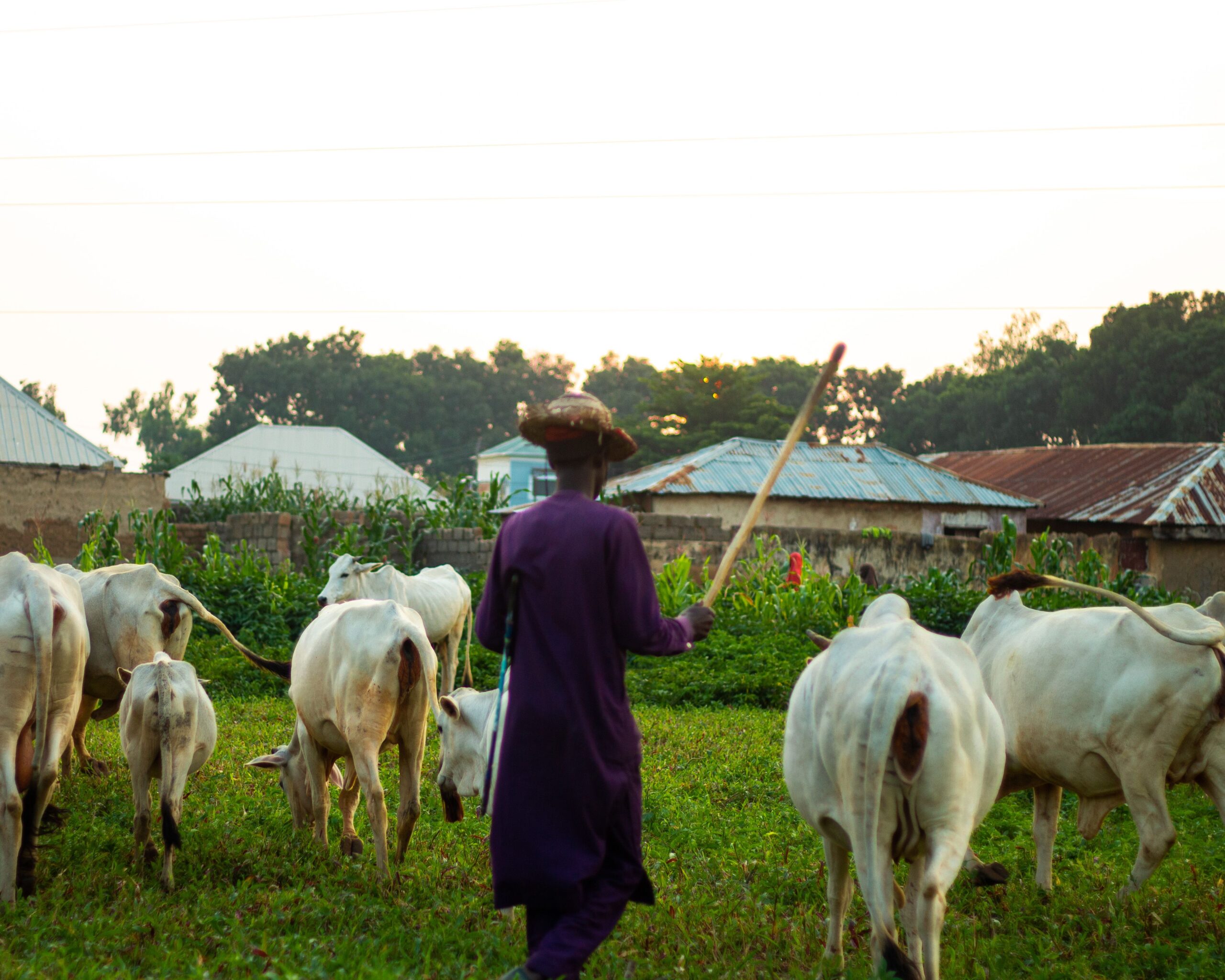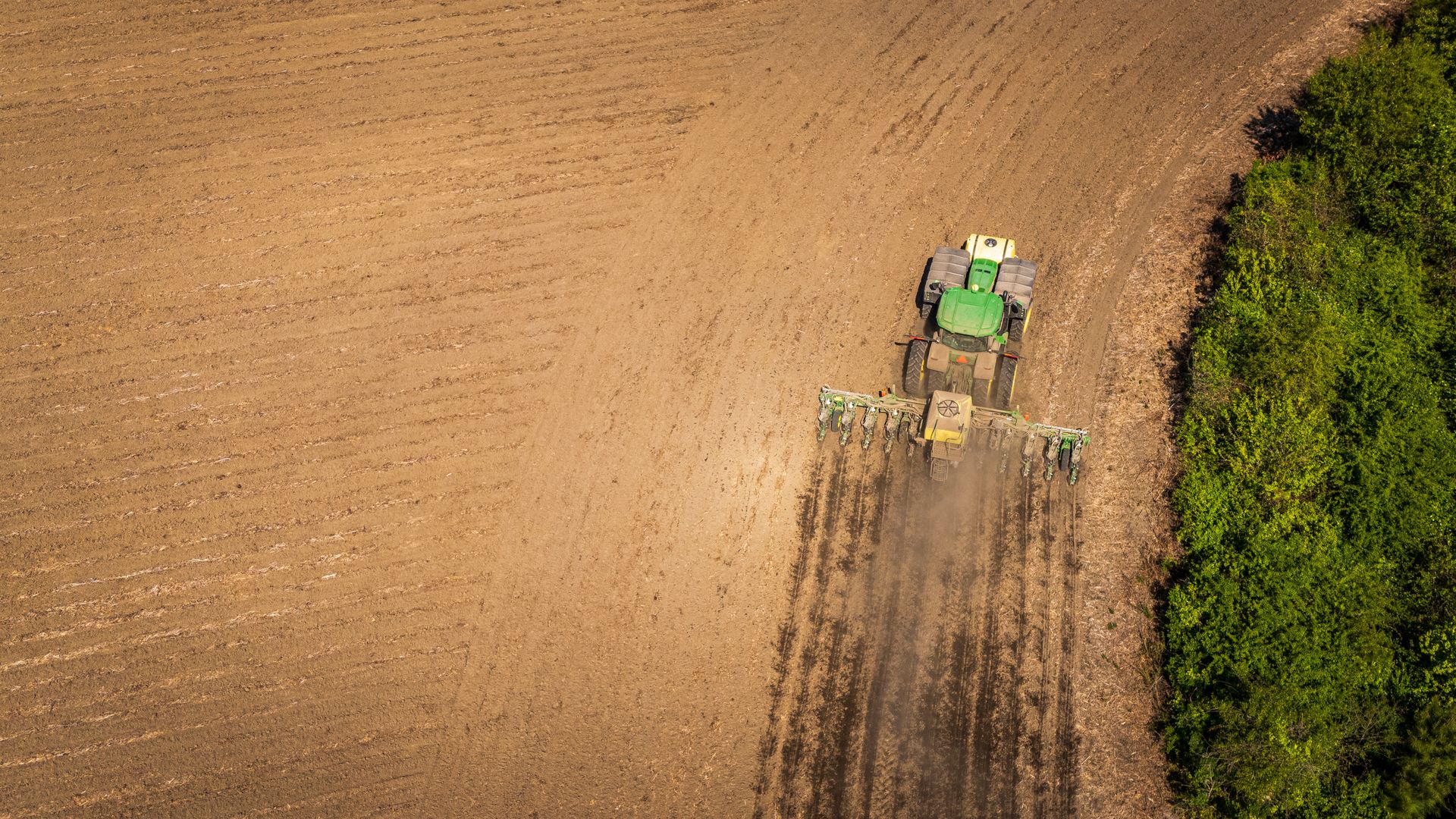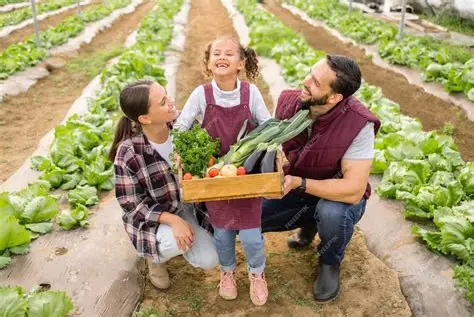
Family farm life often combines work, responsibility, tradition, and shared goals. Unlike many businesses, a family farm can bring several generations together around the same land and livelihood. Family members may plant crops, care for livestock, maintain equipment, manage finances, and sell produce. As a result, farming becomes more than a source of income; it becomes a way of life that can shape family relationships and community connections.
Sharing Responsibilities on the Farm
One of the most important aspects of family farm life involves dividing daily responsibilities. Farming requires attention throughout the year, and family members can work together to complete essential tasks.
Parents may oversee production and financial decisions, while children and other relatives can assist with age-appropriate duties. During particularly busy seasons, this shared effort can help the farm complete important jobs on time.
Common responsibilities include:
-
Preparing fields for planting
-
Feeding and caring for livestock
-
Monitoring crops
-
Repairing fences and equipment
-
Harvesting and sorting produce
-
Managing farm records
-
Transporting and selling products
When everyone understands their responsibilities, the farm can operate more efficiently.
Passing Knowledge Between Generations
Farms often contain valuable knowledge that develops through years of practical experience. Older family members can teach younger generations about soil conditions, weather patterns, livestock behavior, planting schedules, and local farming practices.
However, knowledge should not flow in only one direction. Younger family members may introduce new technology, marketing methods, digital record-keeping systems, or modern production techniques.
Combining Experience With New Ideas
The strongest family farm life can emerge when generations respect each other’s contributions. Experienced farmers understand the land and its history, while younger members may bring fresh perspectives.
For example, a younger farmer might introduce digital tools for tracking expenses or monitoring crops, while an older relative can explain how previous weather patterns affected production. Together, these perspectives can support better decisions.
Supporting Farm Decisions
Family members often participate in important decisions about crops, livestock, investments, and future plans. Because these choices can affect everyone, open communication becomes essential.
Before making major investments, families can discuss expected costs, potential benefits, and possible risks. This process allows different perspectives to emerge and reduces the likelihood of misunderstandings.
Furthermore, involving family members in planning can create a stronger sense of ownership and responsibility.
Building Strong Work Habits
Farm work can teach valuable habits that extend beyond agriculture. Children who participate appropriately in farm activities can learn about responsibility, patience, cooperation, and the connection between effort and results.
For instance, caring for animals requires consistency because livestock need attention regardless of weather or personal schedules. Similarly, growing crops teaches patience because farmers must wait for plants to mature before seeing the results of their work.
These experiences can help younger family members develop practical skills and a strong work ethic.
Strengthening Family Relationships
Working together can create opportunities for family members to spend meaningful time together. Shared tasks can encourage communication and cooperation, particularly when everyone works toward the same objective.
At the same time, farm work can create tension when people disagree about responsibilities or decisions. Therefore, families should make time for conversations outside of work.
Creating Healthy Boundaries
Not every family discussion needs to focus on farming. Setting aside time for rest, recreation, and personal activities can help prevent exhaustion.
Clear boundaries can also reduce conflict. For example, families can establish who makes specific operational decisions while still allowing everyone to share opinions about major issues.

Preparing the Next Generation
Succession planning represents an important part of family farm life. Families need to think about who will eventually manage the farm and how knowledge, land, livestock, equipment, and other assets will be handled.
Start these discussions before a transition becomes urgent. Give younger family members opportunities to learn different aspects of the business and understand both its responsibilities and opportunities.
However, families should also recognize that not every child or relative will want to become a farmer. Respecting individual career choices can make succession planning more realistic and reduce future conflict.
Adapting to Modern Agriculture
Today’s farms face changing markets, technology, climate conditions, and consumer expectations. Family involvement can help farms adapt because different generations may bring different skills.
Older members can provide practical experience, while younger members may feel more comfortable with smartphones, farm-management software, online marketing, and new machinery.
Consequently, a family that combines traditional knowledge with modern approaches can respond more effectively to changing agricultural conditions.
Creating a Lasting Farm Legacy
Ultimately, family farm life extends beyond daily tasks. It can create a legacy built on knowledge, cooperation, responsibility, and connection to the land.
Families can strengthen that legacy by documenting important farming practices, teaching younger members, maintaining good financial records, and making thoughtful long-term plans.
The role of family in farming remains significant because agriculture requires both practical effort and long-term commitment. When relatives communicate clearly, share responsibilities, respect different skills, and prepare future generations, they can create a stronger and more sustainable farming operation.
For many farming families, the greatest achievement is not simply producing a successful harvest. It is building a way of life that provides knowledge, purpose, and opportunities that can continue from one generation to the next.