Growing food at home can be a simple and rewarding way to enjoy fresh ingredients while learning useful gardening skills. You do not need a large farm or expensive equipment to get started. A small garden, containers, or another suitable growing space can provide useful harvests when managed well. In this article, we discuss tips for growing food at home and explain how beginners can choose suitable crops, prepare soil, manage water, and protect plants. Starting small and learning from each growing season can make home gardening easier and more enjoyable.
Choose The Right Growing Space
Start by looking around your home for a suitable place to grow food. Most vegetables need enough sunlight, so choose an area that receives suitable light during the day. The space should also have access to water and good drainage. If you have limited ground space, containers, raised beds, or other suitable growing systems can provide alternatives. Think about how much time you have available before deciding how large your garden should be.
Grow Vegetables You Actually Eat
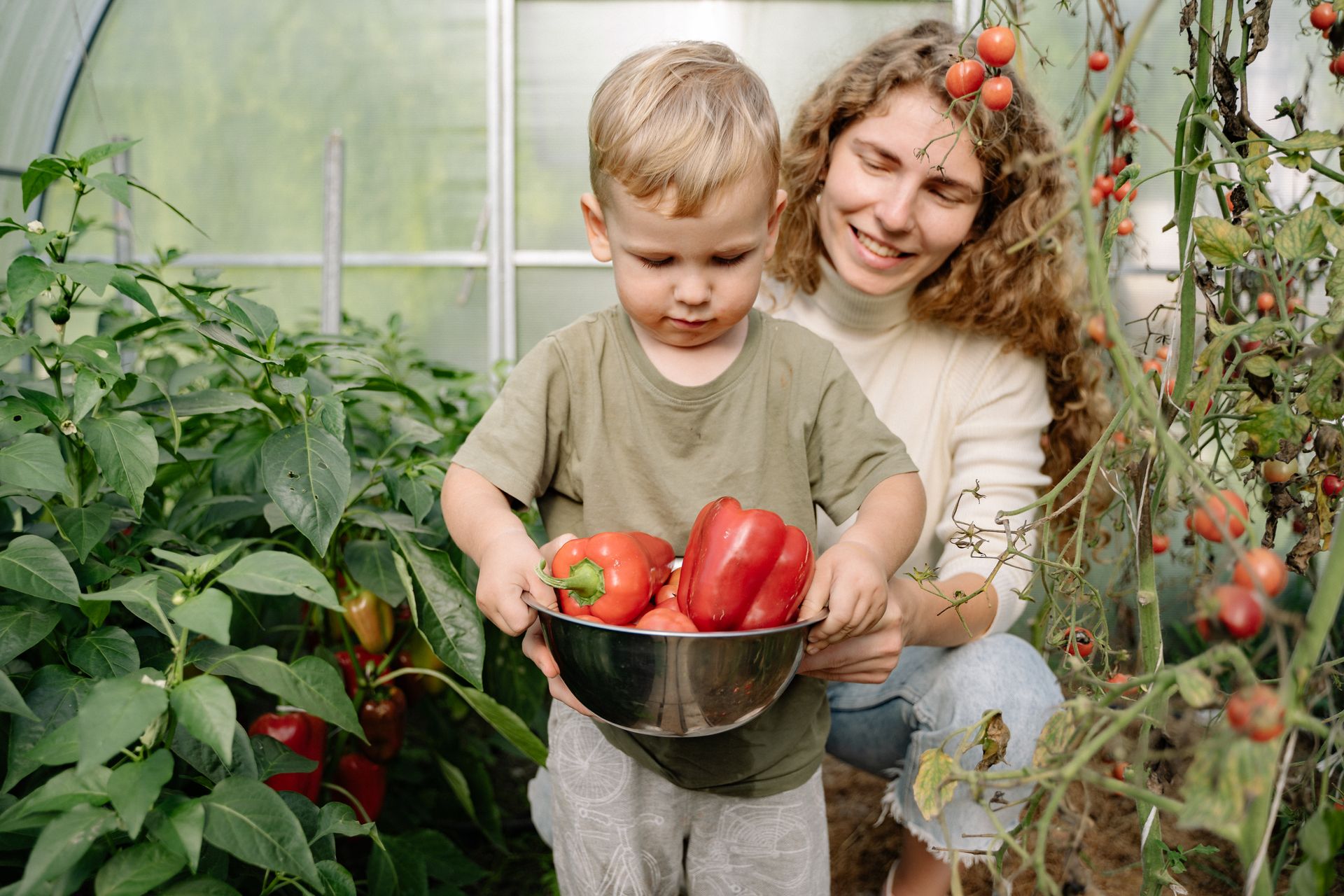
Choose crops that your household enjoys. Growing familiar vegetables can make gardening more useful because you are more likely to harvest and eat what you produce. Consider vegetables such as tomatoes, beans, leafy greens, onions, carrots, peppers, radishes, or other crops that grow well in your area. Start with a few varieties instead of planting too many crops at once. This gives you enough time to learn how each plant grows.
Prepare Healthy Soil
Good soil provides plants with support, water, air, and nutrients. Before planting, remove large weeds and check whether the soil drains properly. Adding suitable organic matter can improve soil structure and support plant growth. Compost can be useful when it is made and applied properly. Avoid adding unknown materials that may contain harmful substances. If possible, learn about your soil type and choose crops that are suited to its conditions.
Water Plants Correctly
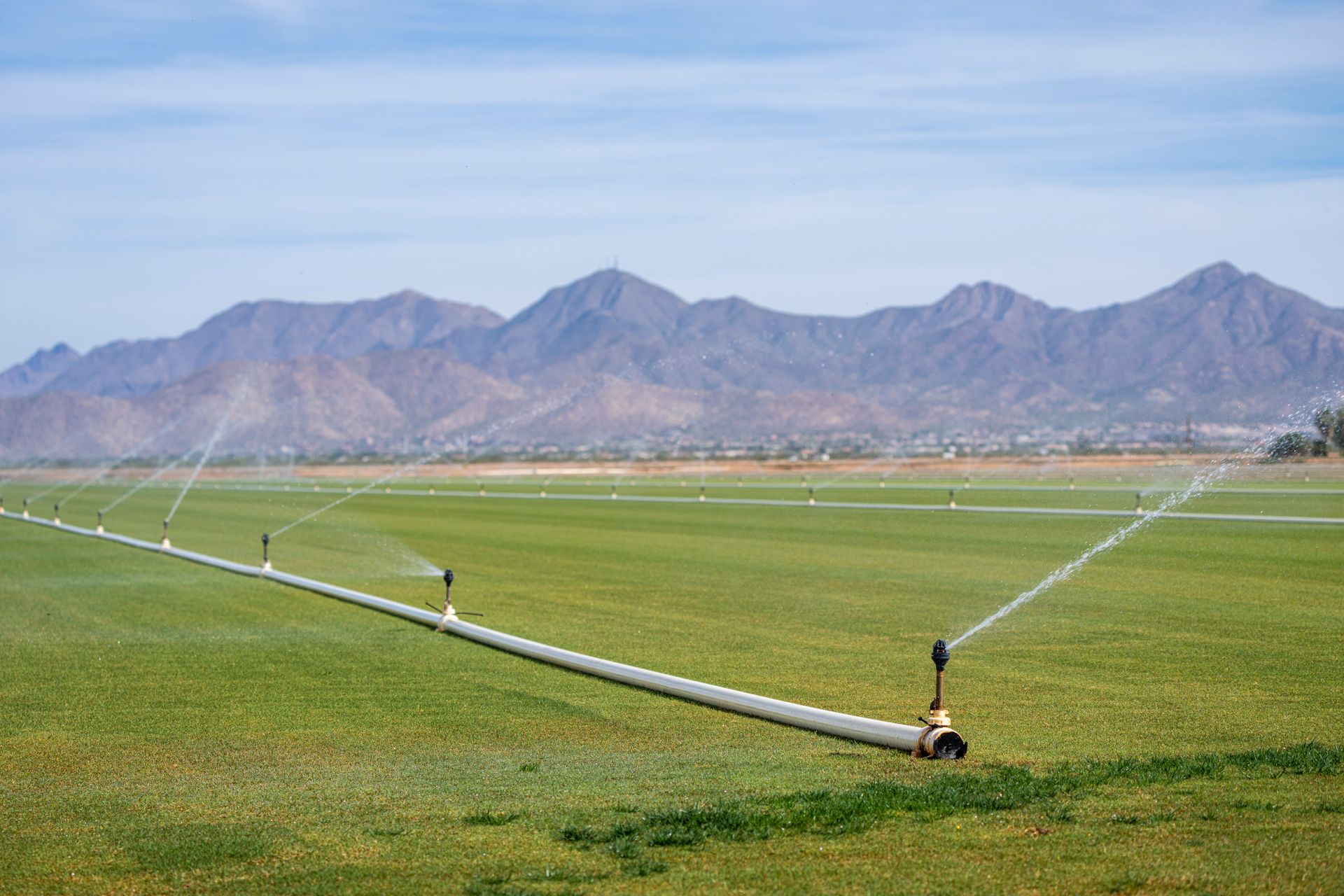
Plants need enough water, but more water is not always better. Too little water can cause plants to wilt, while excessive watering can create conditions that damage roots. Check the soil before watering and learn the needs of each crop. Watering in a way that reduces unnecessary evaporation can also improve efficiency. During hot or dry periods, plants may need more frequent attention, so plan your garden around the water you can realistically provide.
Protect Plants From Weeds
Weeds compete with food crops for water, nutrients, light, and space. Remove weeds while they are still small because they are generally easier to control at that stage. Mulching can also help reduce weed growth and protect soil moisture when used appropriately. Avoid allowing weeds to become heavily established around young plants. Regular attention can prevent a small weed problem from becoming a major task.
Watch For Pests And Diseases
Check your plants regularly for unusual leaves, holes, discoloration, insects, or other signs of trouble. Early detection can make problems easier to manage. Remove badly affected plant material when appropriate and keep the growing area clean. Good spacing and airflow can also help reduce some disease problems. When using any pest control product, follow the label instructions carefully and choose methods that are suitable for food crops.
Inspect Plants Regularly
You do not need to spend hours inspecting your garden. A few minutes each day or several times a week can help you notice changes early. Look underneath leaves, check new growth, and observe whether plants appear healthy. Regular observation also helps you learn how your crops normally look, making unusual changes easier to identify.
Give Plants Enough Space
Crowded plants may compete for sunlight, water, and nutrients. Poor spacing can also reduce airflow and make some disease problems more likely. Follow the spacing recommendations for each crop when possible. If you are growing in containers, make sure each container is large enough for the plant you choose. Giving plants enough room can support healthier growth and make harvesting easier.
Use Simple Garden Tools
You do not need a large collection of equipment to grow food at home. Basic tools such as a hoe, hand trowel, rake, watering container, pruning tool, and suitable gloves may be enough for a small garden. Keep tools clean and store them in a dry, safe place after use. Buy additional equipment only when you have a clear need for it. Starting with basic tools can keep gardening costs manageable.
Plant According To The Season
Different vegetables grow best during different parts of the year. Planting at the wrong time can result in weak growth, poor harvests, or crop failure. Learn which crops are suitable for each season in your area. Local gardeners, farmers, nurseries, and agricultural advisers can provide useful information about planting dates and varieties. Seasonal planning can make a major difference in the success of a home garden.
Harvest At The Right Time
Harvesting at the right stage can improve the quality of home-grown food. Some vegetables are best harvested while young and tender, while others need more time to mature. Check the requirements of each crop and harvest carefully to avoid damaging the plant. Regular harvesting can also encourage some crops to continue producing. Use harvested food promptly or store it correctly to maintain quality.
Keep Simple Gardening Records
Write down when you planted each crop, which variety you used, how it performed, and when you harvested it. You can also record problems with pests, weather, watering, or soil. These notes can help you understand what worked and what needs to change during the next growing season. Over time, your records can become a useful guide for planning your home garden.
Conclusion
Growing food at home becomes easier when you start with realistic goals and simple methods. Choose a suitable growing space, plant vegetables you enjoy, prepare healthy soil, manage water carefully, control weeds, and check plants regularly. Give crops enough room and plant them during suitable seasons for your area. You do not need to grow everything at once. Start small, learn from your results, and gradually expand your garden as your confidence and experience grow.