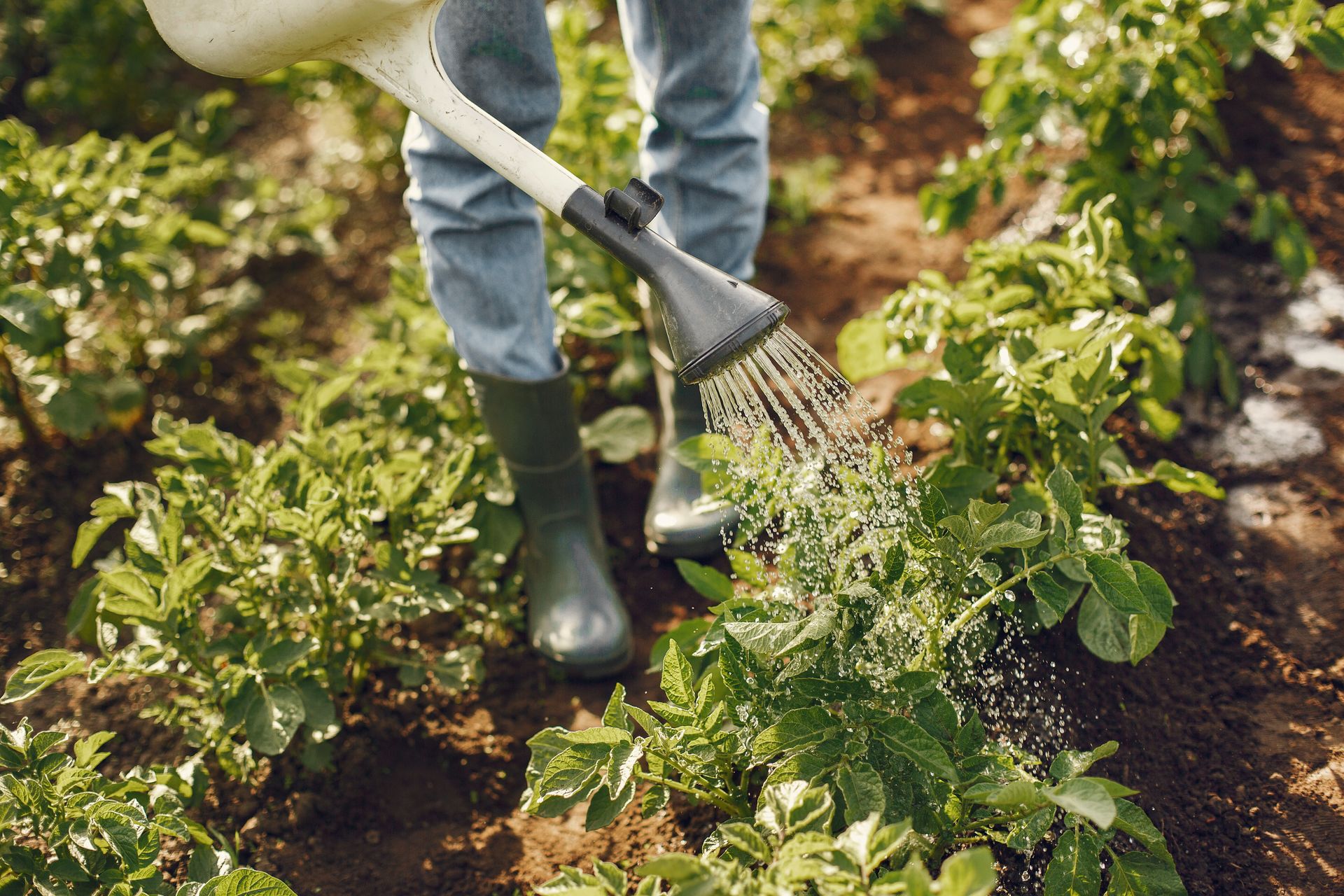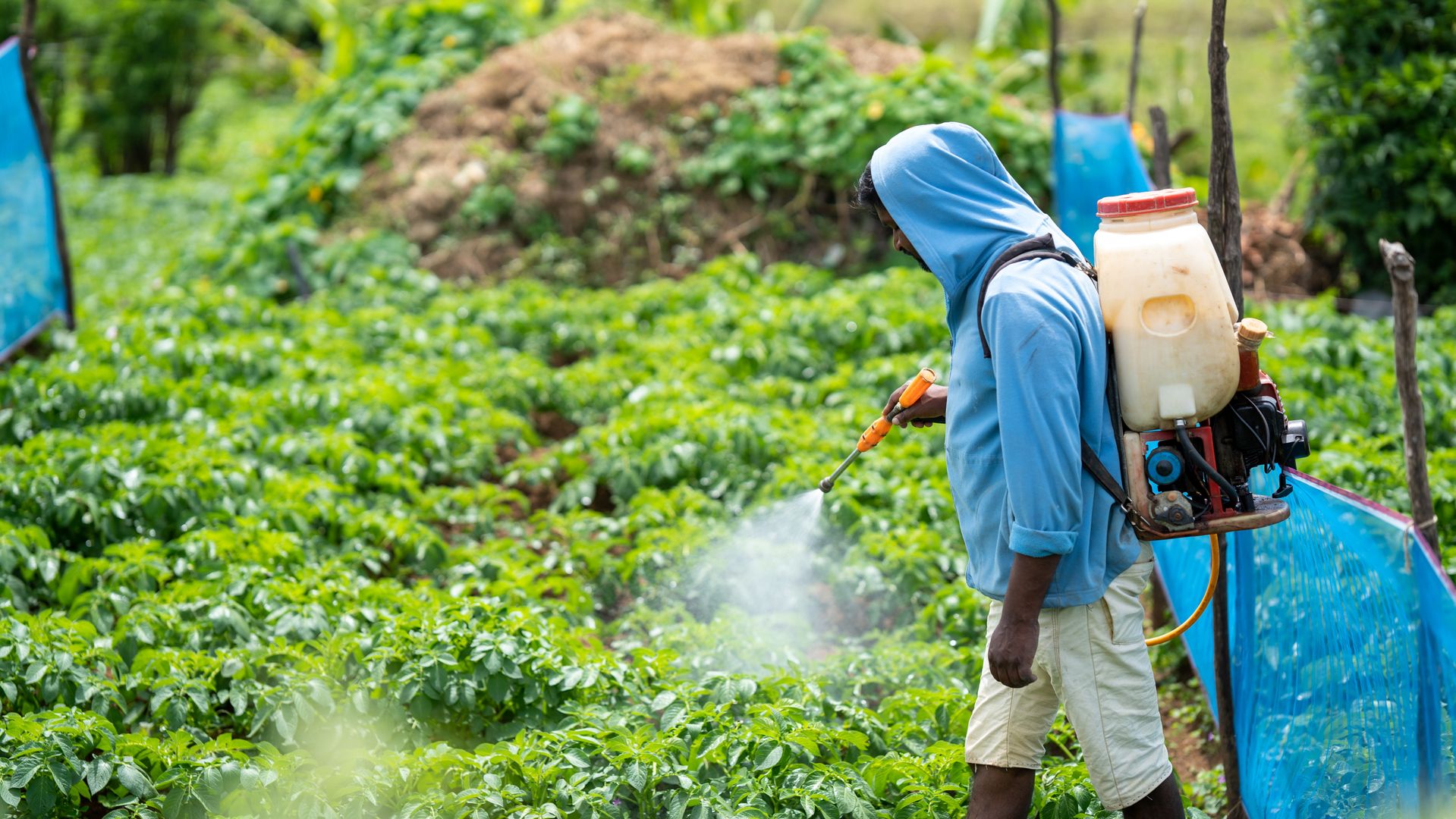
Crop pests can damage leaves, stems, roots, fruits, and seeds. If farmers do not notice a pest problem early, losses can become serious and expensive. In this article, we discuss tips for protecting crops from pests using practical methods that can help reduce damage and support healthy plant growth. Good pest management starts before pests become a major problem. By keeping fields clean, checking plants regularly, choosing suitable crop varieties, and using several control methods together, farmers can protect their crops more effectively.
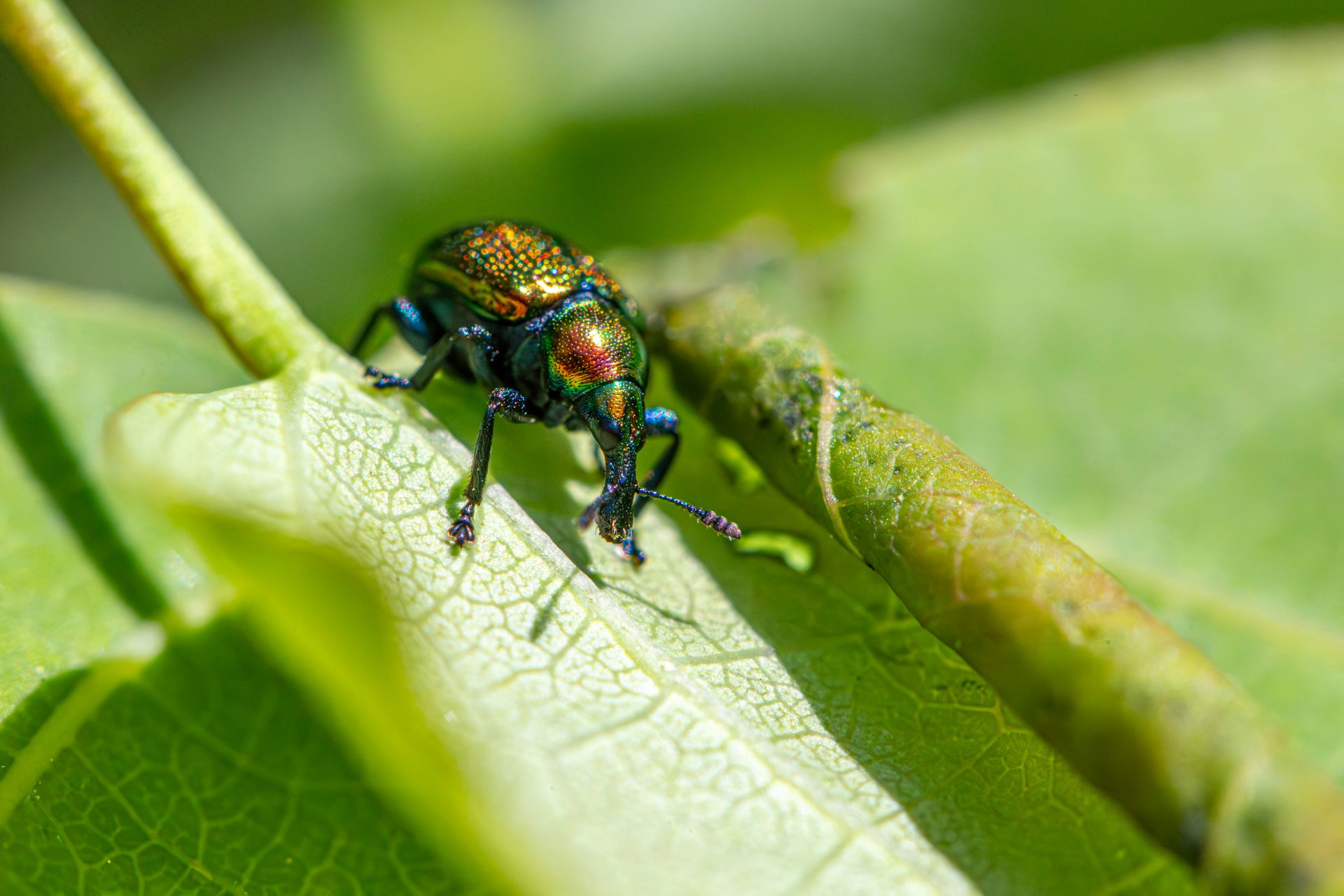
Inspect Crops Regularly
Regular field checks can help farmers find pest problems early. Walk through the farm and examine leaves, stems, flowers, fruits, and the soil around plants.
Look for signs such as:
-
Holes in leaves
-
Chewed stems
-
Discolored leaves
-
Wilting plants
-
Insects or eggs
-
Damaged fruits
-
Sticky substances on leaves
-
Unusual plant growth
Early detection gives you more time to respond before the problem spreads.
Keep The Farm Clean
Good field hygiene can reduce places where pests hide and reproduce. Remove heavily damaged plant material when appropriate and keep weeds under control.
Weeds can provide food and shelter for some pests. Removing them can reduce the number of pests that move into crops.
After harvesting, clear unwanted plant remains when necessary. However, healthy crop residues can sometimes be useful for soil protection, so manage them according to your farming system.
Choose Resistant Crop Varieties
Some crop varieties have better resistance or tolerance to particular pests and diseases. When suitable varieties are available, they can help reduce crop losses.
Before buying seeds, learn which pests are common in your area. Then ask reliable seed suppliers or agricultural advisers about varieties that may perform well under local conditions.
Resistance does not mean a crop will never have pests. Farmers should still monitor plants throughout the growing season.
Use Crop Rotation
Growing the same crop in the same field repeatedly can allow certain pests to build up. Crop rotation changes the plants available to pests and can interrupt some pest life cycles.
For example, rotate crops from different plant families rather than planting the same type in the same place every season.
A good rotation can also improve soil management and reduce certain disease problems.
Use Healthy Planting Material
Start with healthy seeds, seedlings, and planting materials. Diseased or damaged plants can create problems from the beginning.
Buy seeds and seedlings from trusted sources. Check young plants carefully before bringing them into your fields or greenhouse.
Avoid planting material that shows signs of insects, disease, mold, or unusual growth.
Encourage Useful Insects
Not every insect is harmful. Some insects feed on pests and can help protect crops naturally.
Ladybugs, lacewings, spiders, and some wasps are examples of organisms that may help control harmful insects.
Planting suitable flowers and maintaining some useful vegetation can provide food and shelter for beneficial insects. Avoid unnecessary broad-spectrum treatments that may kill helpful insects along with pests.
Use Physical Barriers
Physical barriers can stop pests from reaching crops. Depending on the crop and pest, farmers can use insect nets, row covers, traps, screens, or other suitable barriers.
These methods can be especially useful for vegetables and small growing areas. Check barriers regularly for holes or gaps because pests can enter through small openings.
Maintain Healthy Plants
Healthy plants are often better able to withstand pest pressure. Provide suitable water, nutrients, sunlight, and growing space.
Avoid overwatering or excessive fertilizer use. Poor growing conditions can weaken plants and make some pest problems harder to manage.
Good soil management also supports strong root development and overall plant health.
Monitor Before Taking Action
Do not automatically treat every insect you find. Some insects are harmless or beneficial.
First identify the pest and determine whether the damage is serious enough to require control. If possible, learn its life cycle and understand which stage causes the most damage.
This approach can prevent unnecessary costs and reduce harm to useful organisms.
Combine Several Pest Management Methods
Using several methods together is often more effective than relying on one method. This approach is commonly known as integrated pest management.
A farmer might combine:
-
Crop rotation
-
Resistant varieties
-
Field sanitation
-
Physical barriers
-
Beneficial insects
-
Traps
-
Regular monitoring
If a treatment is necessary, follow the product label carefully and use appropriate protective equipment.
Keep Records Of Pest Problems
Record the type of pest, affected crops, date, location, level of damage, and control method used. These records can help you recognize patterns.
For example, you may discover that a certain pest appears every year during a particular period. You can then prepare earlier and monitor the crop more closely.
Conclusion
The best tips for protecting crops from pests focus on prevention, early detection, and careful management. Inspect plants regularly, keep fields clean, choose suitable varieties, rotate crops, encourage beneficial insects, and use physical barriers where appropriate. Most importantly, identify pests before deciding how to control them. Combining several methods can reduce crop damage while protecting the health of your farm and the surrounding environment.