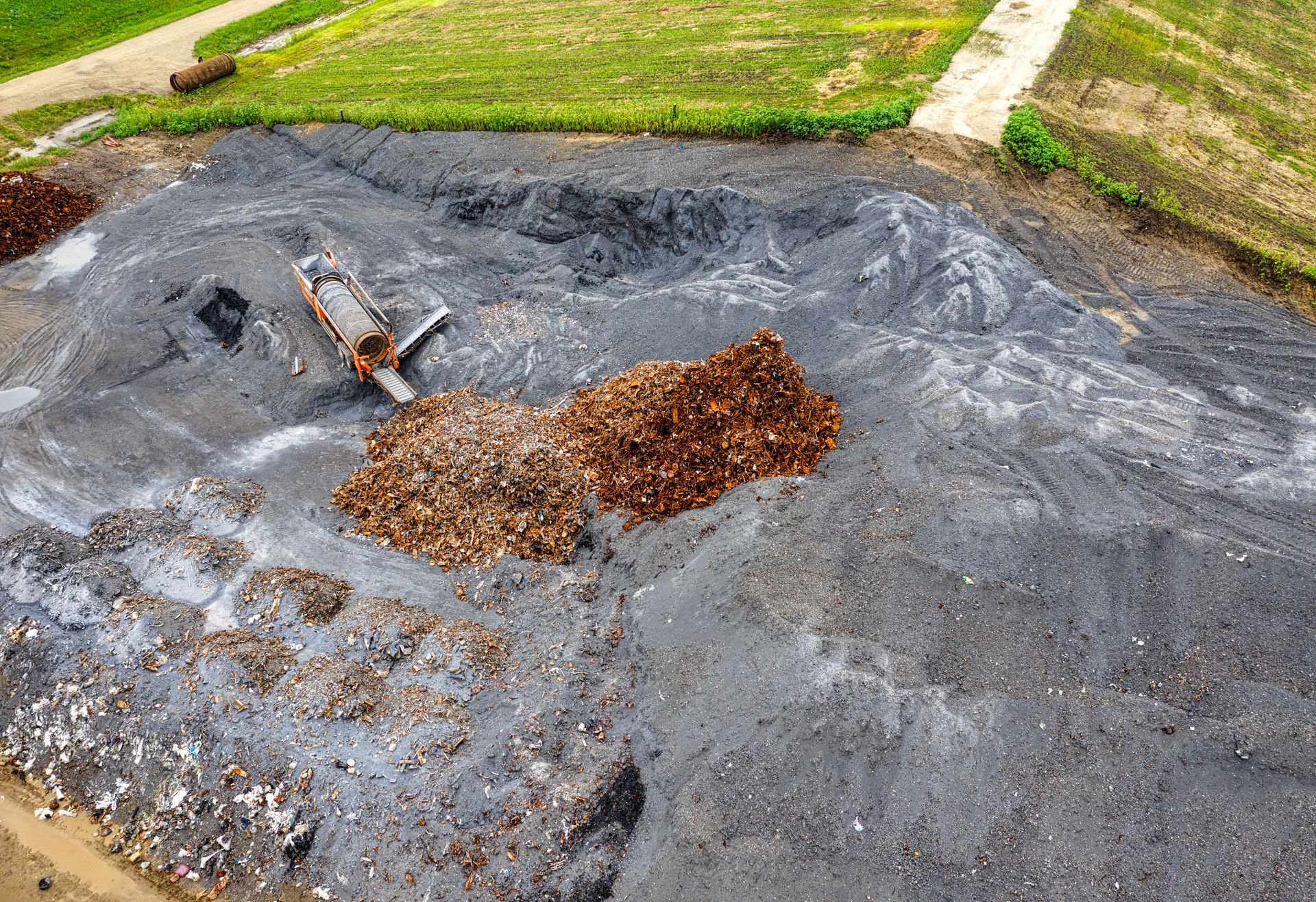
Farms can produce different types of waste during planting, harvesting, animal care, storage, and daily maintenance. Some waste is unavoidable, but much of it can be reduced through better planning and careful use of resources. Reducing waste can lower costs, protect the environment, and help farmers get more value from materials they already have. In this article, we discuss tips for reducing farm waste through composting, better storage, careful planning, recycling, reuse, and responsible disposal. Small changes can make a meaningful difference when they become part of everyday farm work.
Plan Farm Activities Carefully
Good planning can prevent unnecessary waste before it starts. Estimate how many seeds, fertilizers, feed, packaging materials, and other supplies you need before purchasing them. Avoid buying much more than your farm can use within a reasonable period. Keep records of previous purchases and usage to make future estimates easier. Careful planning can also reduce leftover materials and unnecessary expenses.
Reduce Food Loss After Harvest
Harvest losses can create a large amount of farm waste. Handle fruits and vegetables carefully to avoid bruising and physical damage. Harvest crops at suitable stages and use clean containers during collection. Sort produce soon after harvesting and separate damaged items from healthy ones. Proper handling can help more of the harvest reach consumers instead of becoming waste.
Improve Produce Storage
Suitable storage can extend the useful life of farm products. Keep storage areas clean and use conditions that match the needs of each crop. Protect produce from excessive heat, moisture, pests, and physical damage. Check stored products regularly and remove spoiled items promptly. Good storage practices can reduce losses and help farmers sell more of what they produce.
Compost Suitable Organic Waste
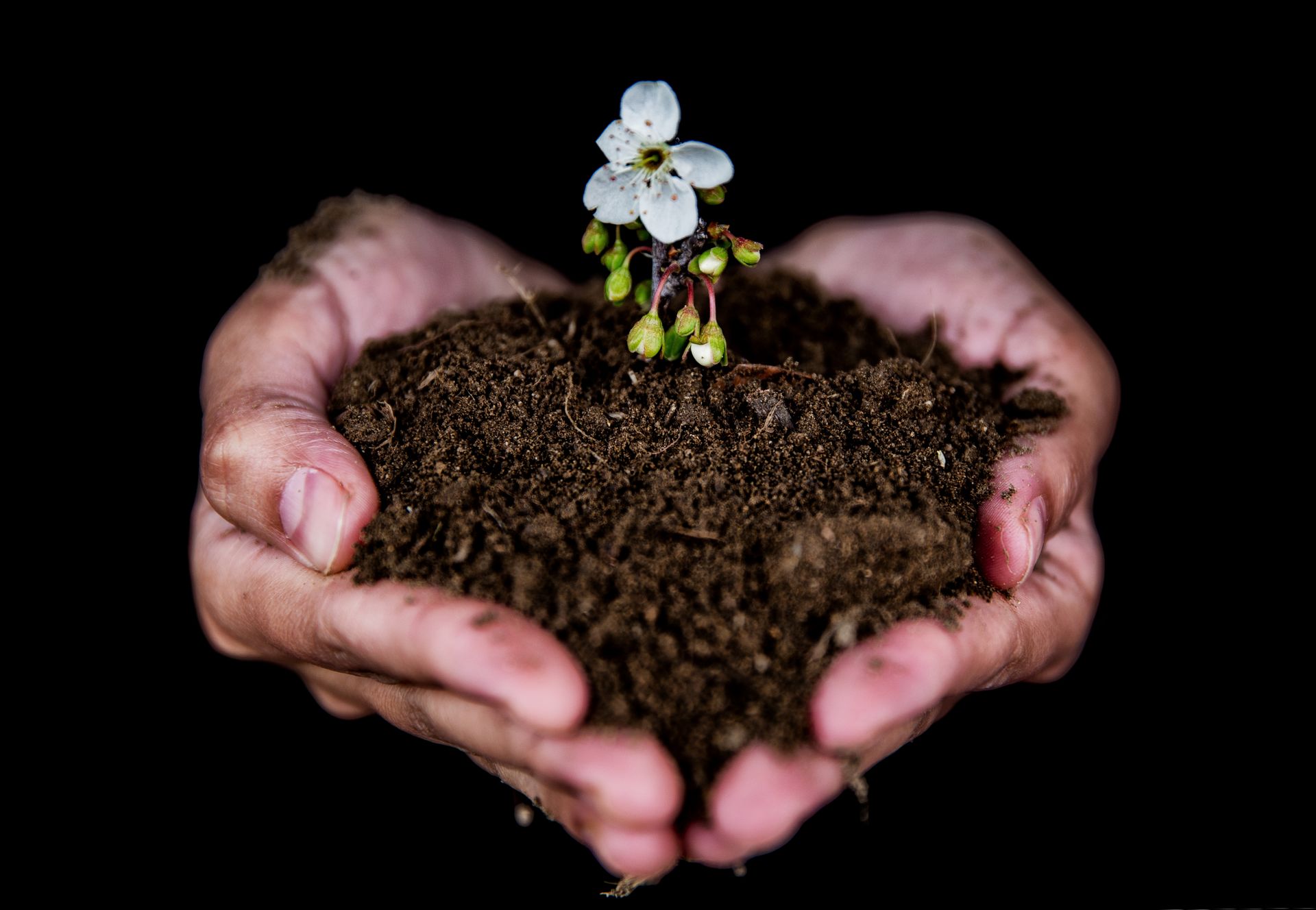
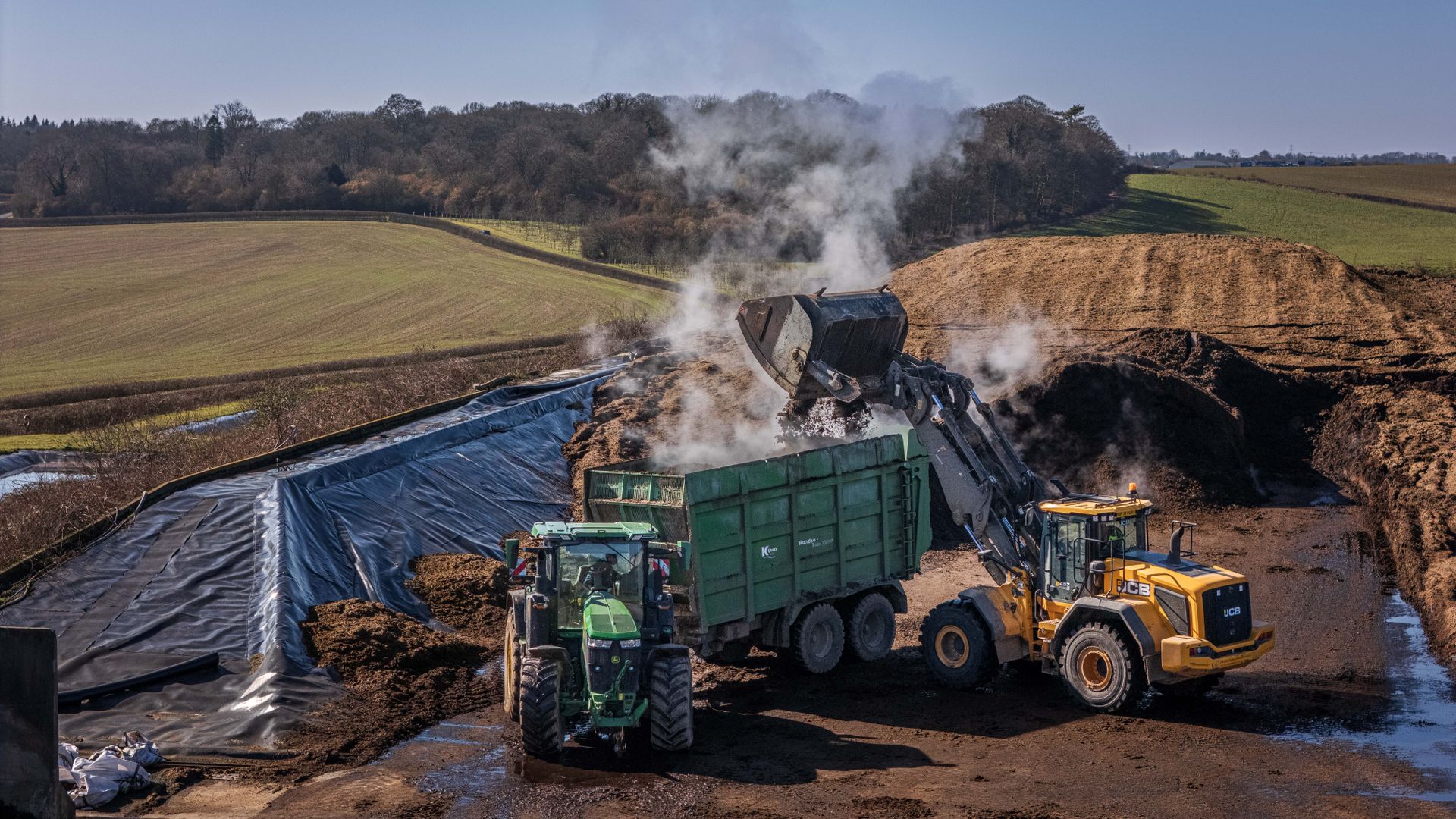
Many farms have organic materials that can be composted. Leaves, grass, suitable crop residues, and some animal bedding may become useful compost when managed correctly. Composting turns suitable waste into organic material that can support soil management. However, farmers should avoid materials that may contain harmful chemicals, pathogens, or other contaminants. Safe composting practices are important when the finished material will be used around food crops.
Reuse Farm Materials
Before throwing something away, consider whether it has another safe use. Suitable containers can sometimes be used for storage, while appropriate materials may be useful for garden structures or repairs. Reusing materials can reduce the need to purchase replacements. Always check the condition and previous use of a material before using it, especially around food, animals, soil, or water.
Reduce Packaging Waste
Farmers can reduce packaging waste by choosing durable and reusable containers when practical. Properly sized packaging can also reduce unnecessary material use. If produce is sold directly to customers, consider packaging options that protect the food while creating less waste. Any packaging used for food should be clean, suitable for its intended purpose, and handled safely.
Manage Animal Feed Carefully
Feed waste can increase farm expenses and create unnecessary waste. Store feed in clean, dry, secure areas that protect it from moisture and pests. Provide suitable quantities rather than allowing excessive amounts to become spoiled. Check feeding equipment regularly for damage or spillage. Good feed management can help farmers use more of what they purchase.
Use Water Efficiently
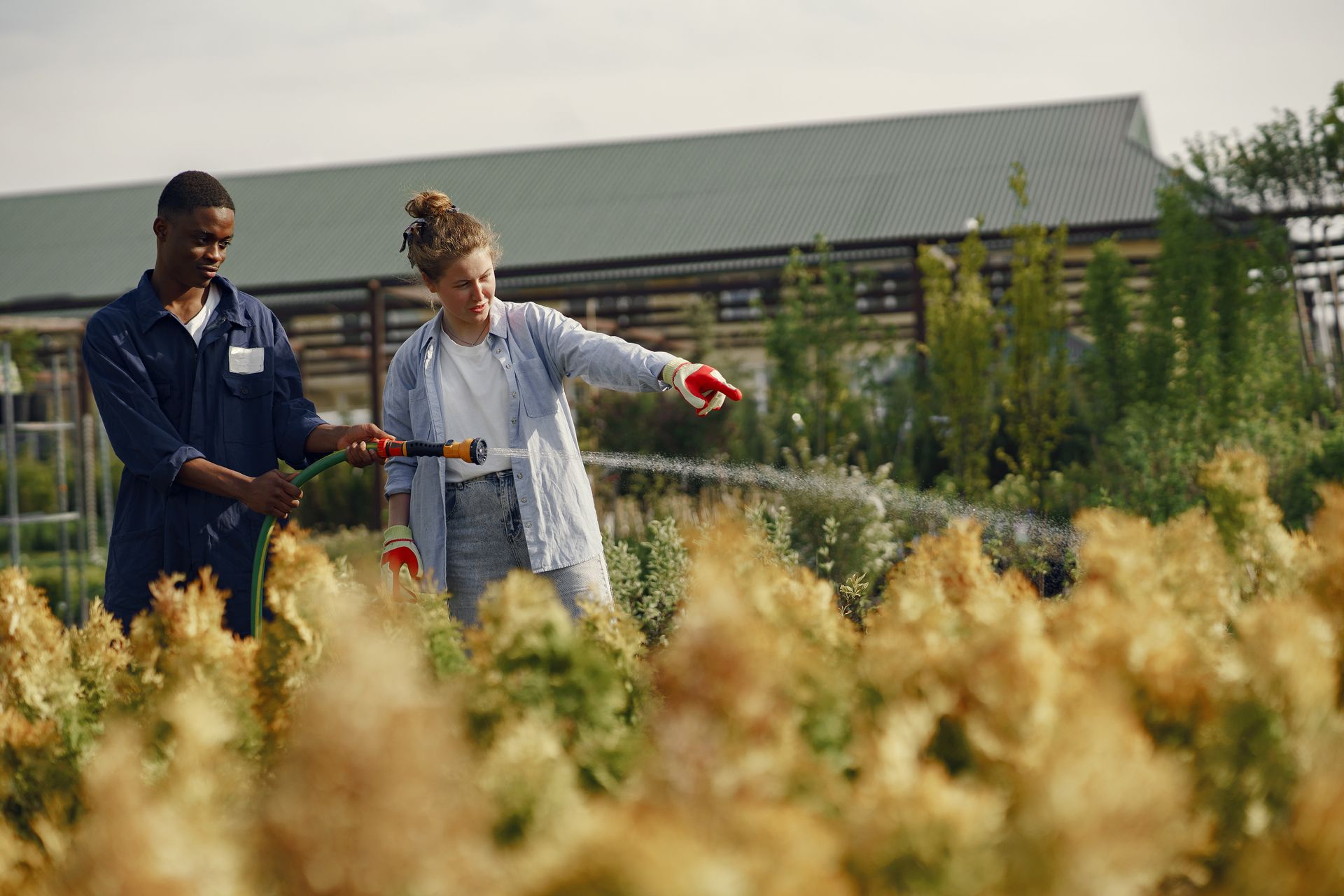
Water can become a form of waste when irrigation systems leak or deliver more water than crops need. Inspect pipes, hoses, valves, and irrigation equipment regularly. Water crops according to their needs and local conditions. Suitable irrigation systems can help deliver water more efficiently. Saving water can also reduce energy use when pumping is required.
Manage Crop Residues
Crop residues do not always need to be removed or burned. Depending on the crop and farming system, suitable residues may be used as mulch, compost material, animal bedding, or other useful resources. Returning appropriate organic material to the soil can support soil management. However, residues affected by serious diseases or harmful chemicals may need special handling instead of being reused.
Maintain Farm Equipment
Poorly maintained machinery can waste fuel, oil, and other resources. Regular maintenance can help equipment operate more efficiently and prevent avoidable breakdowns. Check machinery according to the manufacturer’s recommendations and repair problems promptly. Store equipment properly when it is not being used. Good maintenance can extend equipment life and reduce unnecessary replacement costs.
Recycle Suitable Materials
Some farm materials may be recyclable through local waste programs or specialized collection services. Separate recyclable materials from general waste when practical. Items such as certain containers, metals, cardboard, and other materials may have recycling options depending on local facilities. Check local requirements because not every material can be recycled in every area.
Dispose Of Hazardous Waste Properly
Some farm waste requires special handling. Chemicals, used oils, contaminated containers, batteries, and other hazardous materials should not be dumped, burned, or poured onto the ground. Store them safely and follow local disposal requirements. Keeping hazardous waste away from soil, livestock, people, and water sources can protect both the farm and surrounding environment.
Train Farm Workers
Everyone working on the farm should understand basic waste reduction practices. Explain how to store materials, prevent food damage, separate waste, reuse suitable items, and handle hazardous materials safely. Simple rules can make waste reduction part of everyday work. Regular reminders can also help workers maintain good habits during busy farming periods.
Track Your Waste
It is difficult to improve waste management without knowing where waste comes from. Keep simple records of spoiled produce, unused supplies, damaged equipment, feed losses, and other waste. Review these records regularly and look for repeated problems. If large amounts of produce are lost during storage, for example, improving storage may provide a better solution than simply increasing production.
Conclusion
Reducing farm waste starts with practical changes that make better use of available resources. Farmers can plan purchases carefully, improve harvest handling, store produce properly, compost suitable organic materials, reuse safe items, and reduce packaging. Efficient water use, good feed management, equipment maintenance, recycling, and proper disposal can also reduce waste. By tracking where losses occur and improving one area at a time, farms can lower costs, protect natural resources, and create a cleaner and more efficient farming system.