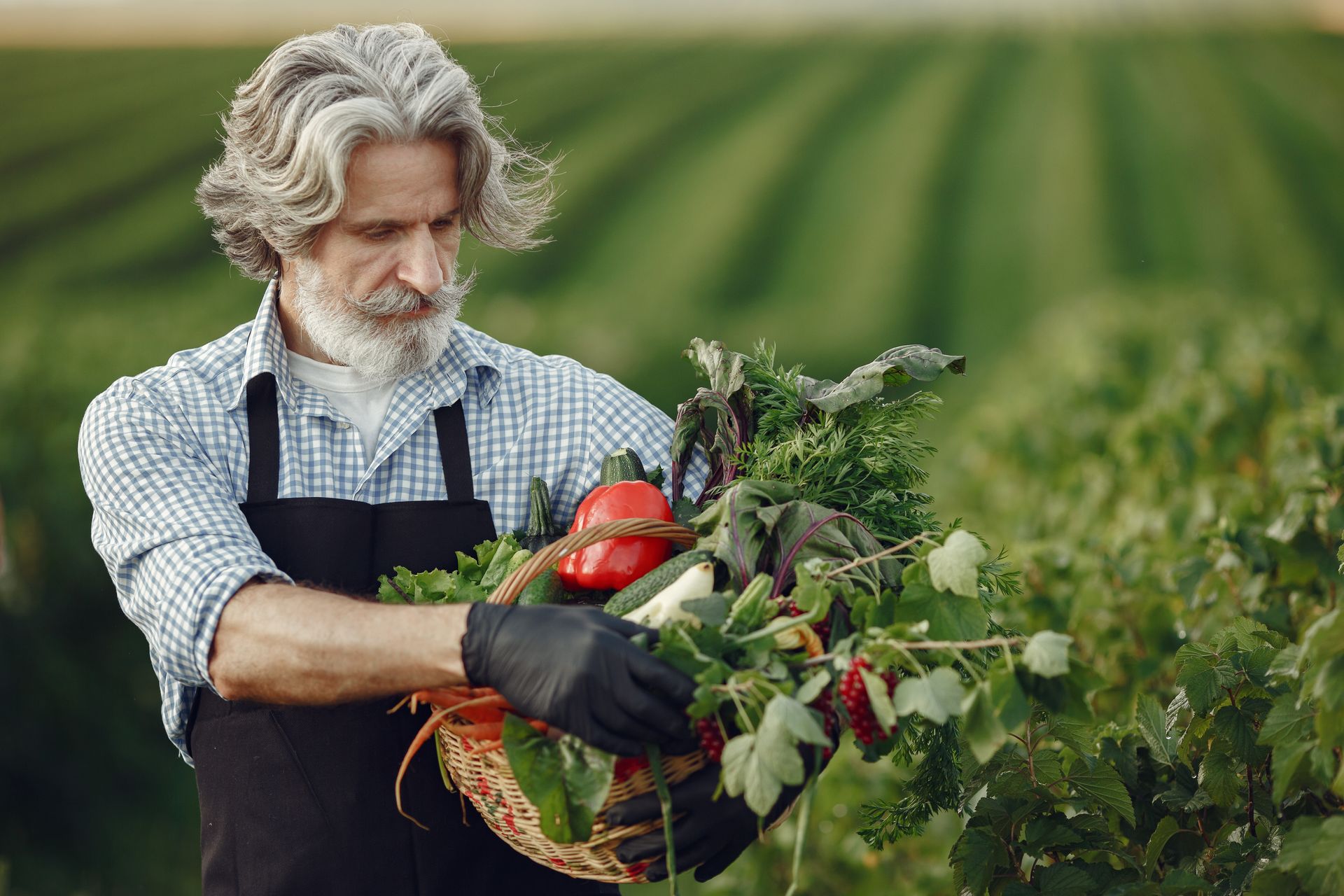
Selling farm produce directly to consumers can help farmers build stronger customer relationships and create new income opportunities. Instead of depending only on wholesalers or large buyers, farmers can sell fruits, vegetables, herbs, eggs, and other products directly to people who want fresh food. However, direct selling requires good planning, consistent quality, clear communication, and reliable service. In this article, we discuss tips for selling produce directly to consumers and explain simple ways farmers can attract customers, manage orders, reduce waste, and build a trusted farm business.

Know Your Target Customers
Before selling directly, farmers should understand who they want to serve. Customers may include families, restaurants, local shops, workers, schools, or people looking for specific types of fresh food. Each group may have different needs and buying habits. Families may prefer smaller quantities, while restaurants may need larger amounts delivered on specific days. Understanding your customers can help you choose suitable products, package them properly, and set prices that make sense for both the buyer and the farm.
Offer Fresh And Quality Products
Quality is one of the most important parts of direct selling. Customers are more likely to return when they receive fresh, clean, attractive, and properly handled produce. Harvest vegetables and fruits at suitable stages of maturity and protect them from unnecessary damage during sorting, packing, and transportation. Remove badly damaged products before selling. Even when produce has minor natural marks, it should still be handled carefully and presented honestly. Consistent quality can help build trust and encourage repeat purchases.
Set Fair And Profitable Prices
Farmers need to know their production costs before setting prices. Include expenses such as seeds, fertilizer, labor, water, packaging, transport, storage, and market fees when calculating the cost of producing and selling each item. Then consider local market prices and customer demand. A price that is too low may reduce profits, while a price that is too high may discourage customers. Review your prices regularly because production costs and market conditions can change.
Offer Different Buying Options
Customers may appreciate having different quantities to choose from. You could offer small, medium, and larger packages where practical. Mixed vegetable boxes can also be useful for households that want several products at once. Different options can help customers choose based on their budgets and household needs while giving farmers more ways to sell their harvest.
Choose The Right Selling Location
The place where you sell can have a major effect on your results. Farmers can consider farm gates, farmers’ markets, community markets, roadside stands, local shops, delivery services, or direct collection points. Choose locations that are convenient for your target customers and suitable for keeping produce safe. A good location should also allow you to display products clearly and communicate easily with buyers.
Use Simple Marketing Methods
Customers need to know what you are selling and when it is available. Farmers can use simple methods such as signs, community groups, phone messages, social media, local events, and word-of-mouth recommendations. Share clear information about available products, prices, collection times, and delivery options. Good photographs can also help customers understand what is available. Marketing does not always need to be expensive. Clear and regular communication can be enough to keep customers interested.
Make Ordering Easy
A simple ordering process can improve the customer experience. Decide how customers can place orders and make sure they know what information to provide. Orders may be taken through phone calls, messages, online forms, or in-person requests depending on your customers and available tools. Confirm the products, quantities, prices, and collection or delivery times before preparing large orders. Clear communication can prevent mistakes and reduce wasted produce.
Reduce Food Waste
Direct selling can create waste if farmers harvest more produce than customers want to buy. Use customer orders and previous sales records to estimate demand before harvesting large quantities. Products that are still good but do not meet appearance standards may sometimes be sold at a lower price or used for suitable processed products. However, food safety should always come first. Good planning can reduce the amount of produce that remains unsold.
Build Strong Customer Relationships
Customers are more likely to return when they receive good service. Be polite, respond to questions, provide accurate information, and deliver orders when promised. If a problem occurs, communicate with the customer rather than ignoring it. Ask regular buyers what products they enjoy and what they would like to see in the future. Customer feedback can help farmers improve their products and services.
Keep Customer Records
Simple records can help you understand your direct sales. Record customer orders, popular products, sales dates, prices, and quantities. Over time, these records can show which products sell quickly and which ones are harder to move. This information can help you plan production and avoid growing large amounts of products that have limited demand.
Create A Trusted Farm Brand
A simple farm identity can make your products easier for customers to remember. Use a consistent farm name, sign, label, or packaging style where appropriate. Explain what makes your farm special without making claims you cannot support. Customers may value information about local production, seasonal availability, or farming practices. A clear and honest identity can help your business stand out from other sellers.
Conclusion
Selling produce directly to consumers can create valuable opportunities for farmers who are prepared to manage both production and customer service. Focus on fresh, quality products, fair prices, simple ordering, convenient selling locations, and clear marketing. Keep accurate records and listen to customer feedback so you can understand demand and reduce waste. Most importantly, build trust by communicating clearly and keeping your promises. With consistent effort and good planning, direct selling can become a useful part of a successful farm business.