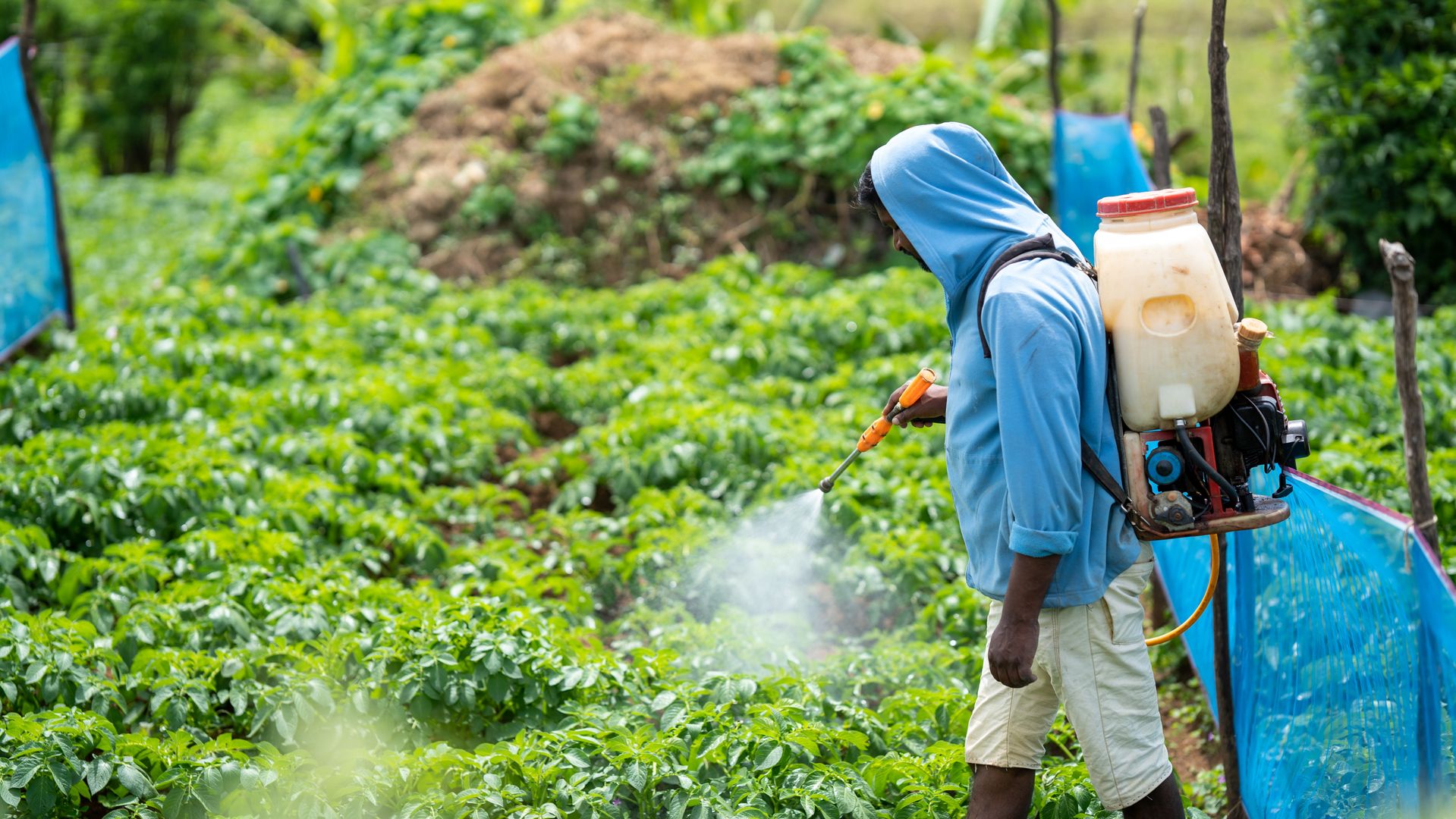
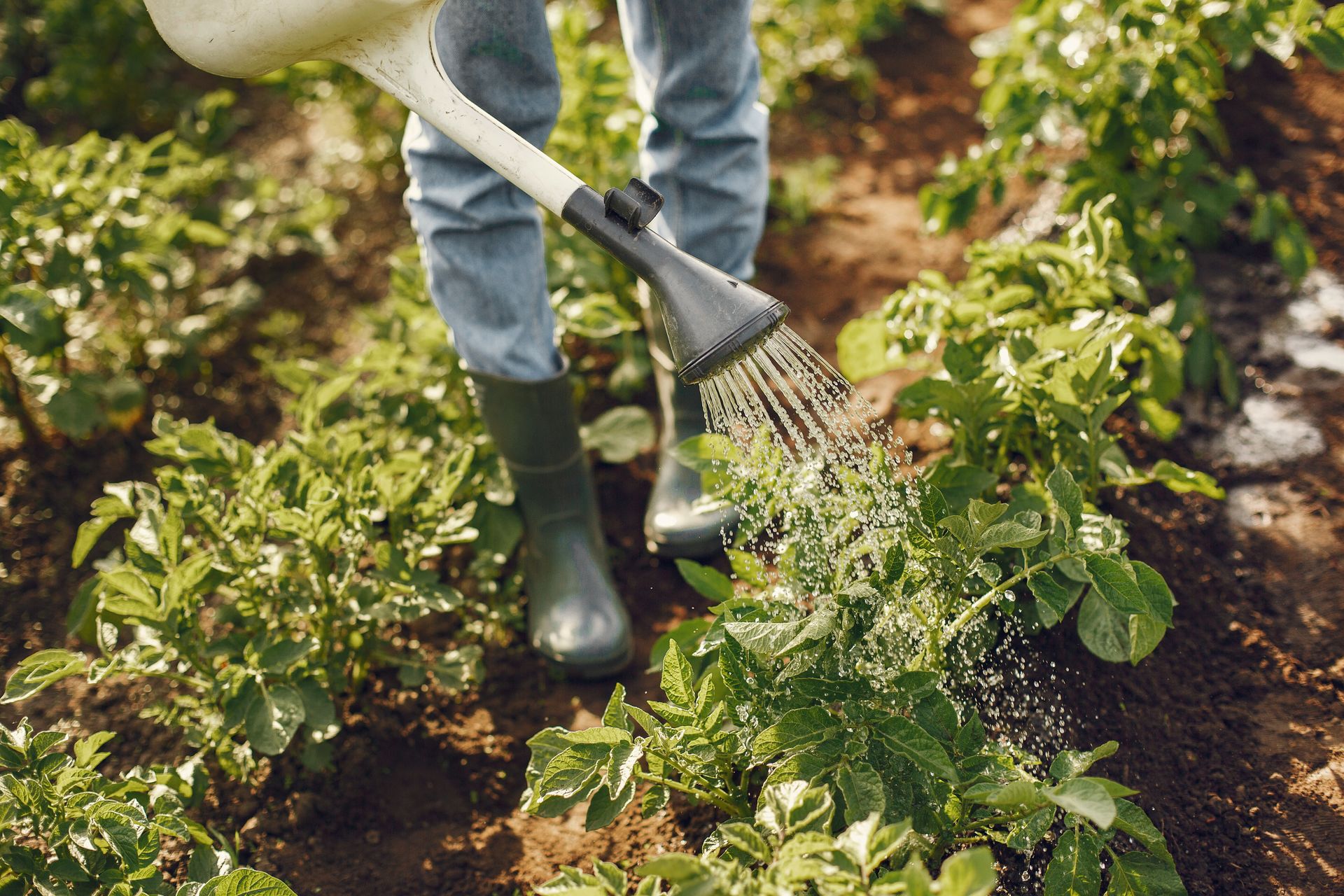
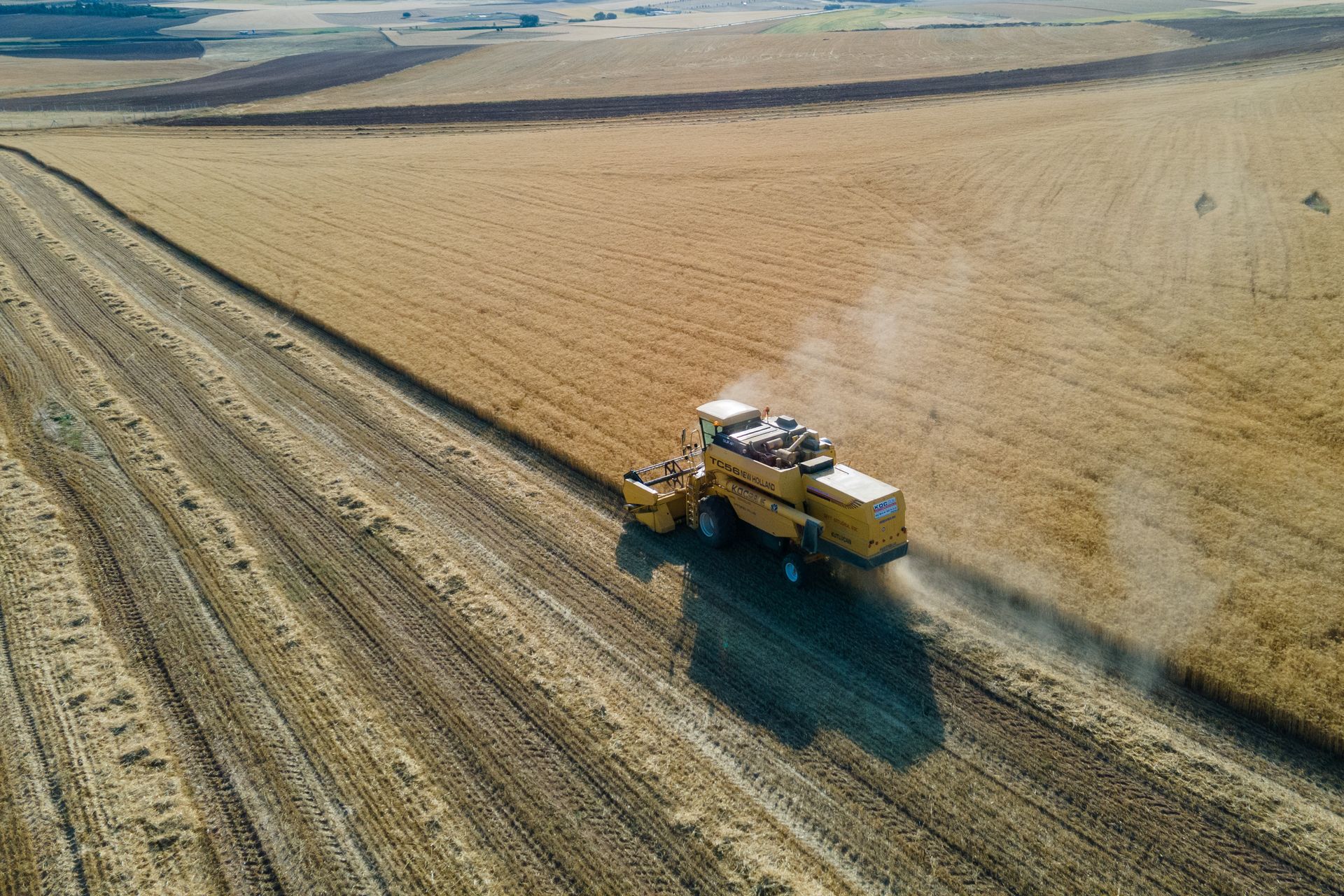
Starting a farm can be exciting, but it also requires careful planning. Many new farmers focus on growing crops before thinking about costs, customers, and daily farm needs. In this article, we discuss tips for starting a profitable farm and building a business that can grow over time. A profitable farm does not happen by chance. You need to understand your land, choose suitable products, control expenses, and find reliable buyers. With a clear plan and steady effort, even a small farm can become a useful source of income.

Create A Clear Farm Business Plan
A simple business plan gives your farm direction. It helps you decide what to produce, how much to invest, and where you expect to sell your products. Start by writing down your goals and available resources.
Your plan should cover:
-
The type of farming you want to start
-
The crops or animals you plan to produce
-
Your expected startup costs
-
Available land and water
-
Labor needs
-
Potential customers
-
Selling prices
-
Expected income and expenses
A written plan can also help you avoid spending money on things you do not need.
Choose Products With Strong Demand
Before planting or buying animals, research what people in your area want to buy. Talk to local shops, markets, restaurants, food sellers, and households. Ask which products they need regularly and when demand is highest.
For example, vegetables with short growing periods may provide faster sales than crops that take many months to mature. However, the right choice depends on your local climate and market.
Study Your Competition
Look at other farmers selling similar products. Compare their prices, quality, packaging, and selling methods. This information can help you find ways to offer something different.
You could provide fresher produce, better packaging, reliable delivery, or consistent quality. A small advantage can help you attract repeat customers.
Start With Manageable Production
One common mistake is trying to produce too much during the first season. Large production can increase costs and create problems with labor, water, storage, and marketing.
Instead, start with a manageable area or a limited number of products. Learn from the first season before expanding. This approach allows you to identify problems while they are still affordable to fix.
Control Farm Expenses
Profit depends on more than sales. You must also control your costs. Keep records of every major expense, including seeds, fertilizer, feed, tools, fuel, transport, labor, and packaging.
Review your records regularly. Look for areas where you can save money without reducing product quality.
For example, buying commonly used supplies in larger quantities may reduce costs. However, avoid buying large amounts of materials that can expire or become damaged.
Improve Soil And Water Management
Healthy soil can support stronger crops and better harvests. Use compost, crop rotation, mulching, and other suitable practices to maintain soil quality.
Water management is equally important. Use irrigation carefully where needed, especially during dry periods. Avoid wasting water through leaks, poor timing, or unsuitable watering methods.
Good soil and water management can reduce future costs while supporting steady production.
Build Reliable Customer Relationships
Finding customers should begin before harvest. Do not wait until your crops are ready before looking for buyers.
Create relationships with people and businesses that may purchase your products regularly. Be honest about quantities, quality, and delivery times. When customers know they can depend on you, they are more likely to buy again.
Sell Through Several Channels
Do not depend on one buyer if you can avoid it. You could sell through:
-
Local markets
-
Grocery stores
-
Restaurants
-
Farm shops
-
Direct household sales
-
Community groups
-
Online platforms
Using several channels can reduce the risk of losing all your sales when one customer stops buying.
Keep Accurate Farm Records
Good records help you understand whether your farm is actually making money. Record how much you spend and how much you earn from each product.
Track:
-
Production costs
-
Harvest quantities
-
Selling prices
-
Labor expenses
-
Transport costs
-
Customer orders
-
Total sales
At the end of each season, compare your results. Then decide which activities deserve more attention and which ones should be changed.
Expand Only When Ready
Once your farm produces consistent results, consider expanding. You might increase your planting area, add another product, improve equipment, or reach new customers.
However, grow at a pace you can manage. Rapid expansion can create debt and operational problems. A steady approach gives you time to improve your systems while protecting your cash flow.
Conclusion
The best tips for starting a profitable farm begin with planning, market research, careful spending, and good farm management. Choose products that suit your land and have reliable demand. Start small, keep accurate records, build strong customer relationships, and improve your methods each season. Most importantly, focus on long-term results rather than quick profits. With patience and careful decisions, a small farming operation can develop into a stable and profitable business.