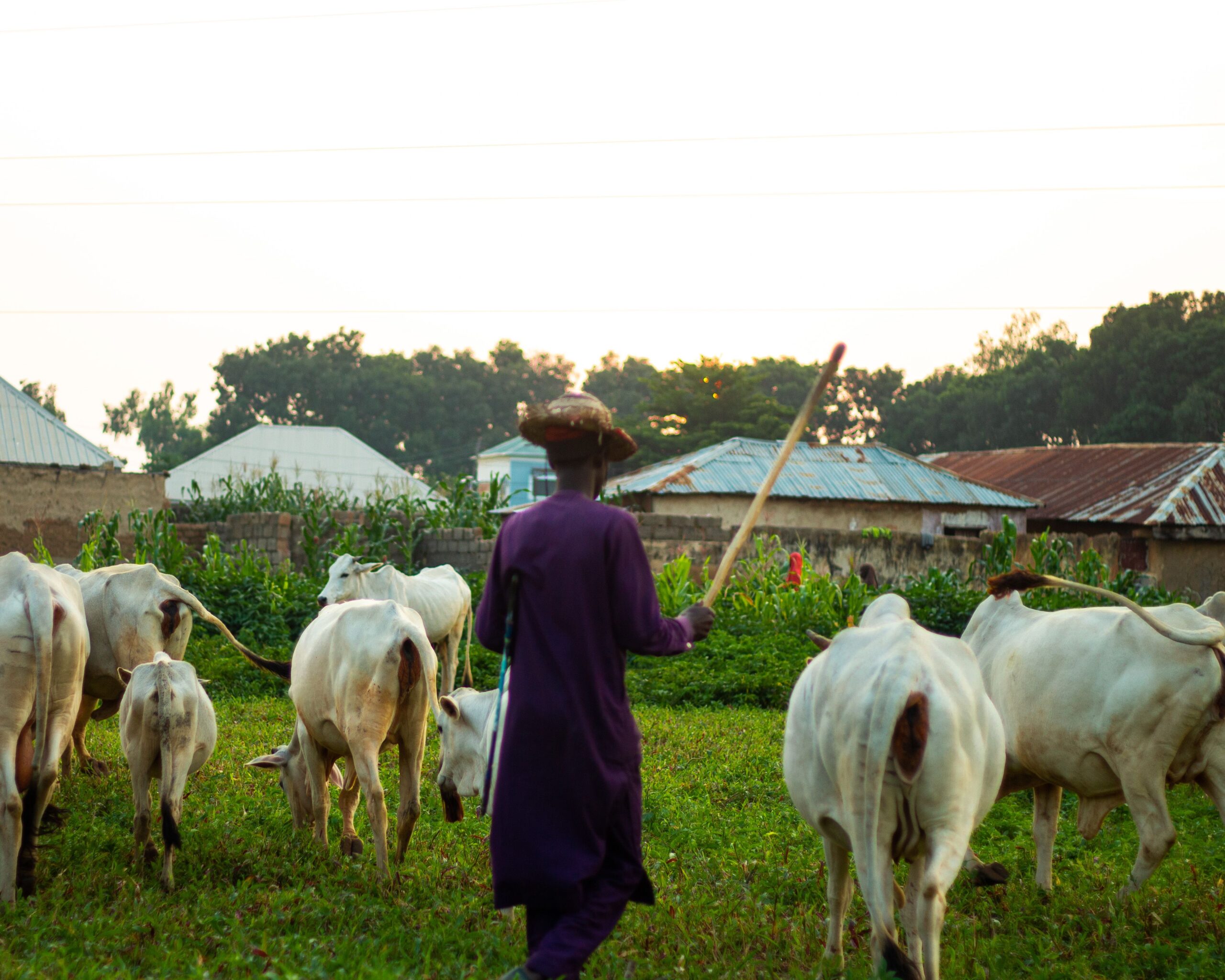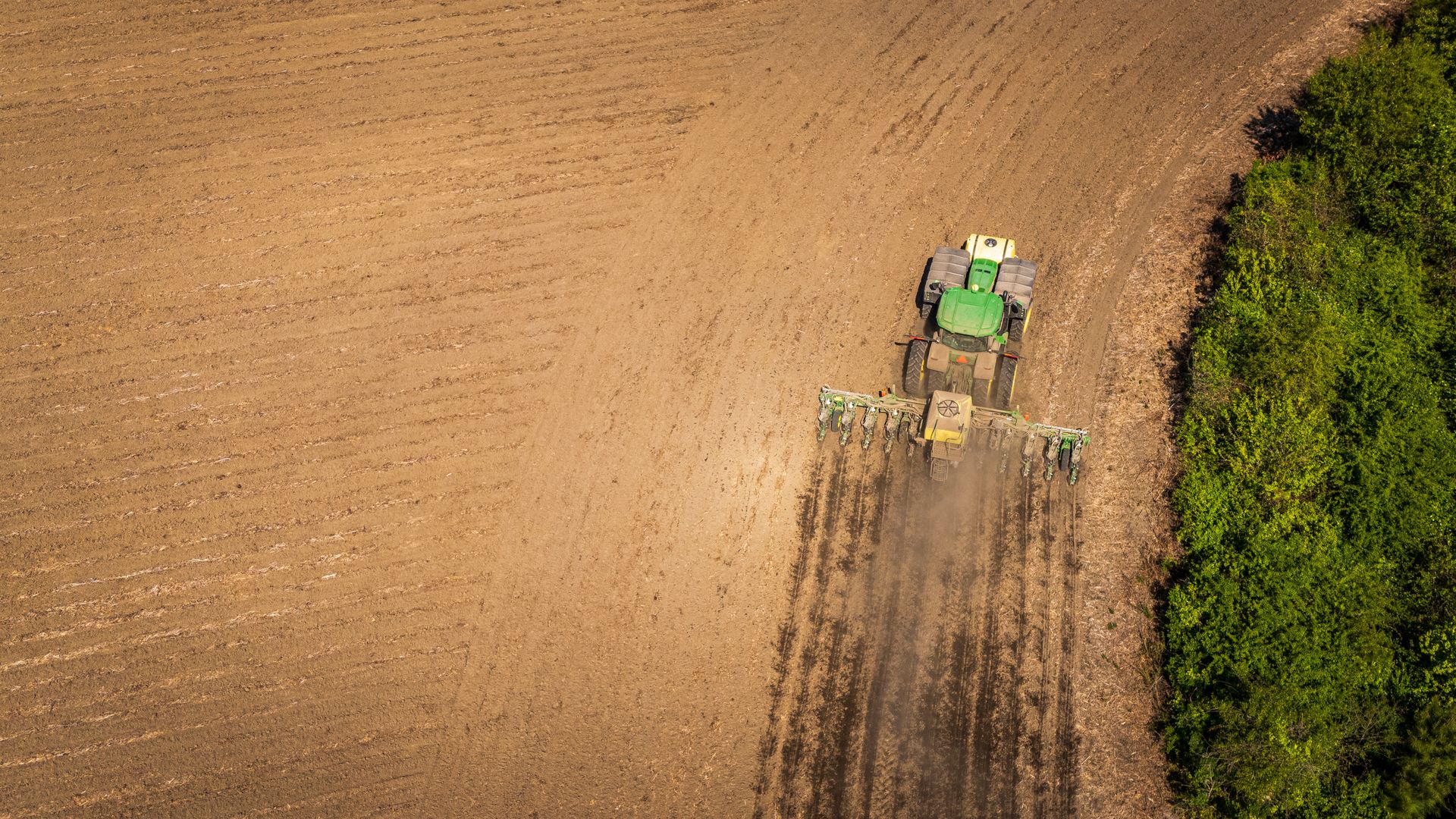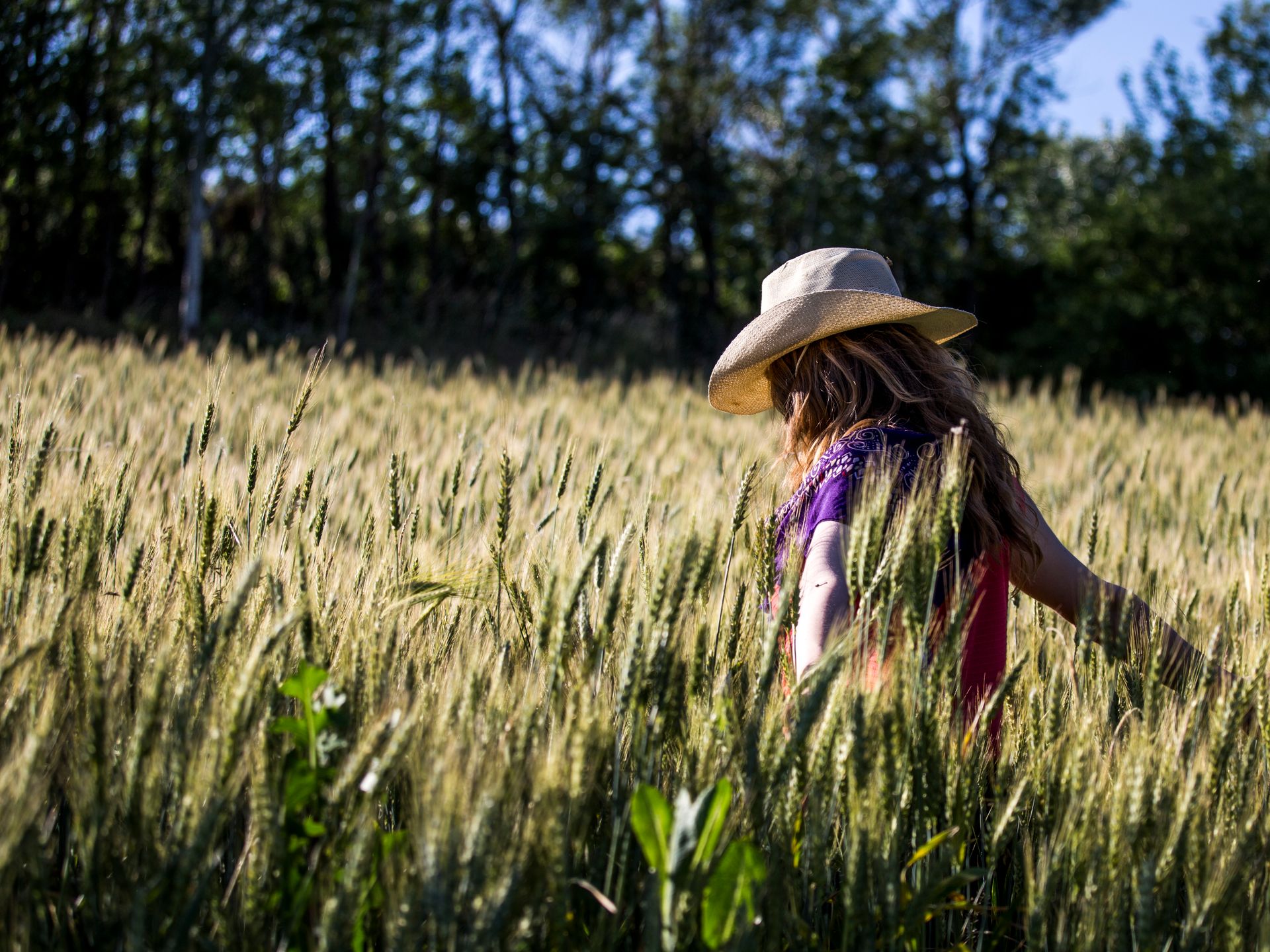
Farm life can teach lessons that go far beyond growing crops and caring for animals. Every season brings new responsibilities, unexpected problems, and opportunities to learn. Farmers learn to work with nature, manage limited resources, make careful decisions, and stay patient when results take time. In this article, we discuss the top lessons learned from farm life and how these lessons can apply to everyday life. Farming can be challenging, but the experience can build useful skills such as patience, responsibility, planning, teamwork, and problem-solving.
Patience Leads To Better Results
Farming teaches people that good results often take time. A seed cannot become a mature crop overnight, and animals need regular care before they produce useful products. Farmers must prepare the soil, plant at the right time, provide water, control weeds, and wait for crops to mature. This process teaches patience because farmers cannot rush every part of nature. The lesson can also apply to other areas of life. Some goals require steady effort before meaningful results become visible.
Planning Makes Work Easier
Good planning can prevent many problems on a farm. Farmers need to decide what to plant, when to plant, how much to spend, and where to sell their products. They also need to plan for labor, water, equipment, storage, and transportation. A simple plan can help farmers use their time and resources more effectively. However, farming also teaches that plans must remain flexible because weather, markets, pests, and other unexpected events can change quickly.
Hard Work Builds Discipline
Farm work often starts early and continues until important tasks are completed. Animals need regular care, crops need monitoring, and equipment may require maintenance. These responsibilities teach discipline because farmers cannot always postpone essential work. Even when the weather is difficult or motivation is low, important tasks still need attention. This habit of completing necessary work can build strong discipline that is useful both on and off the farm.
Nature Cannot Be Controlled
One of the most important lessons from farming is that people cannot control everything. Farmers can choose good seeds, prepare soil, manage water, and protect crops, but they cannot control rainfall, temperature, storms, or every pest problem. This teaches farmers to focus on what they can influence while preparing for things they cannot change. Learning to accept uncertainty can reduce stress and encourage better decision-making.
Small Improvements Matter
Farmers often improve their operations through small changes rather than one major decision. Better spacing, improved irrigation, healthier soil, stronger record keeping, or better storage can gradually improve farm results. A small improvement repeated over several seasons can create a significant difference. This teaches the value of steady progress. People do not always need to make huge changes to move forward. Consistent improvements can eventually produce meaningful results.
Mistakes Can Provide Valuable Lessons
Mistakes are part of farming. A farmer may choose the wrong crop variety, plant at the wrong time, spend too much money, or fail to notice a pest early enough. These mistakes can be disappointing, but they can also provide useful information. Farmers who keep records can review what happened and make better decisions in the future. The important lesson is not to ignore mistakes but to understand them and use the experience to improve.
Teamwork Makes Difficult Tasks Easier
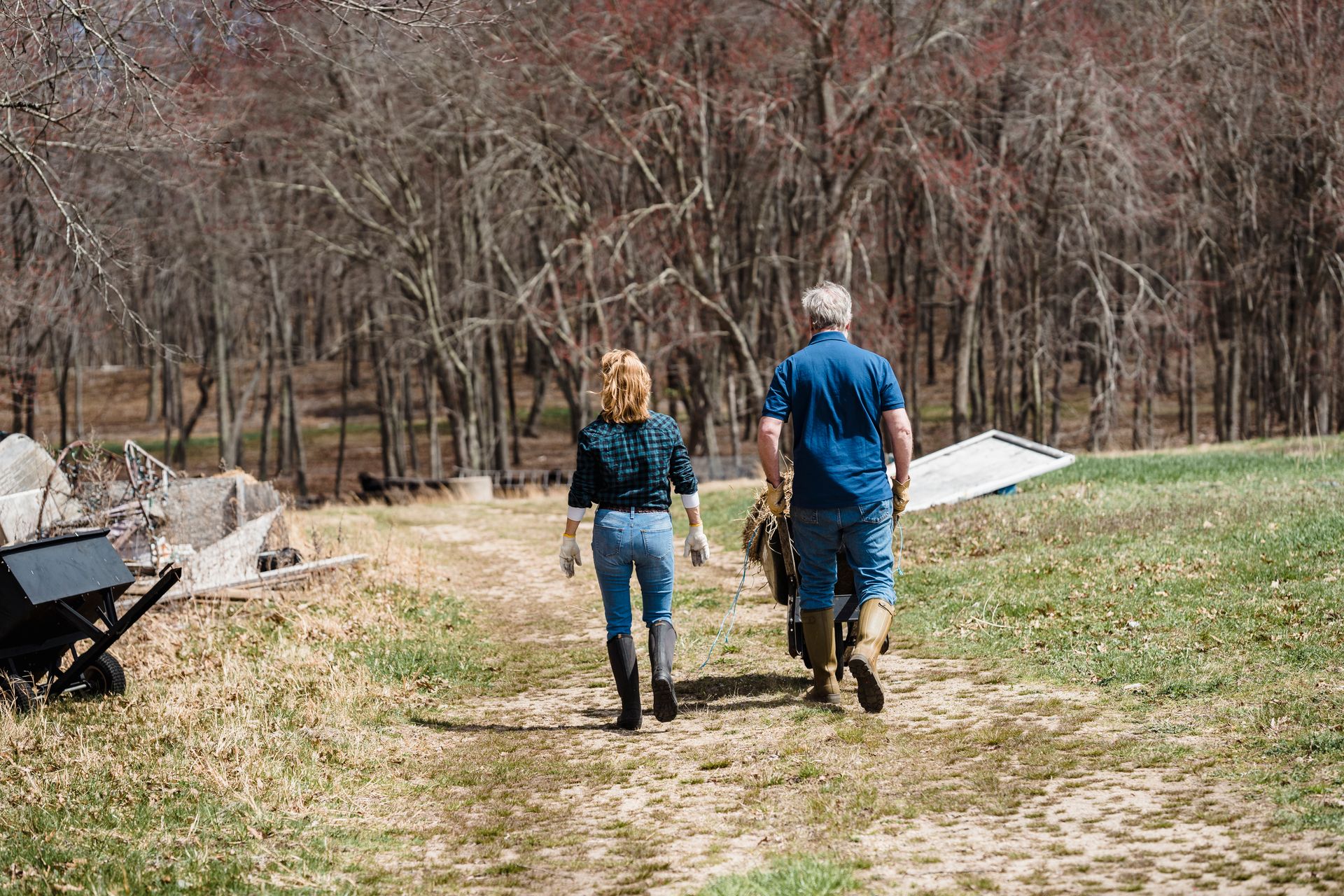
Many farm activities are easier when people work together. Planting, harvesting, livestock care, repairs, and transporting produce may require more than one person. Farmers often depend on family members, workers, neighbors, suppliers, and other community members. Cooperation can reduce workloads and help people complete difficult tasks faster. Farming teaches that asking for help is not a weakness. Working with others can often produce better results than trying to handle everything alone.
Resources Should Be Used Carefully
Farmers understand the importance of using resources wisely. Water, land, seeds, fertilizer, feed, money, and time all have value. Waste can reduce profits and create unnecessary problems. Careful resource management teaches people to think about how much they use and whether it is producing a useful result. This lesson can apply to households and businesses because efficient use of resources can reduce costs and improve long-term stability.
Adaptation Is Important
Farming conditions can change from one season to another. A method that worked well last year may not work as well when rainfall, temperatures, pests, or market prices change. Farmers therefore need to adapt. They may change crop varieties, planting dates, irrigation methods, or marketing strategies. The ability to adjust can help farmers remain productive during uncertain periods. Adaptation does not mean changing everything. It means recognizing when a different approach is needed.
Success Requires Consistency
A successful farm is usually built through regular effort rather than one lucky season. Farmers must continue checking crops, caring for animals, managing finances, maintaining equipment, and learning new skills. Consistency helps prevent small problems from becoming major ones. It also creates habits that support long-term success. Farm life shows that steady effort may not always produce immediate rewards, but it can create strong results over time.
Conclusion
The top lessons learned from farm life include patience, planning, discipline, teamwork, careful resource management, adaptability, and the ability to learn from mistakes. Farming also teaches people to accept uncertainty and appreciate steady progress. These lessons are valuable because they apply beyond agriculture. Whether someone is building a business, managing a family, or working toward a personal goal, the habits developed through farm life can provide a strong foundation. Farming may be demanding, but its challenges can teach lessons that remain useful for a lifetime.