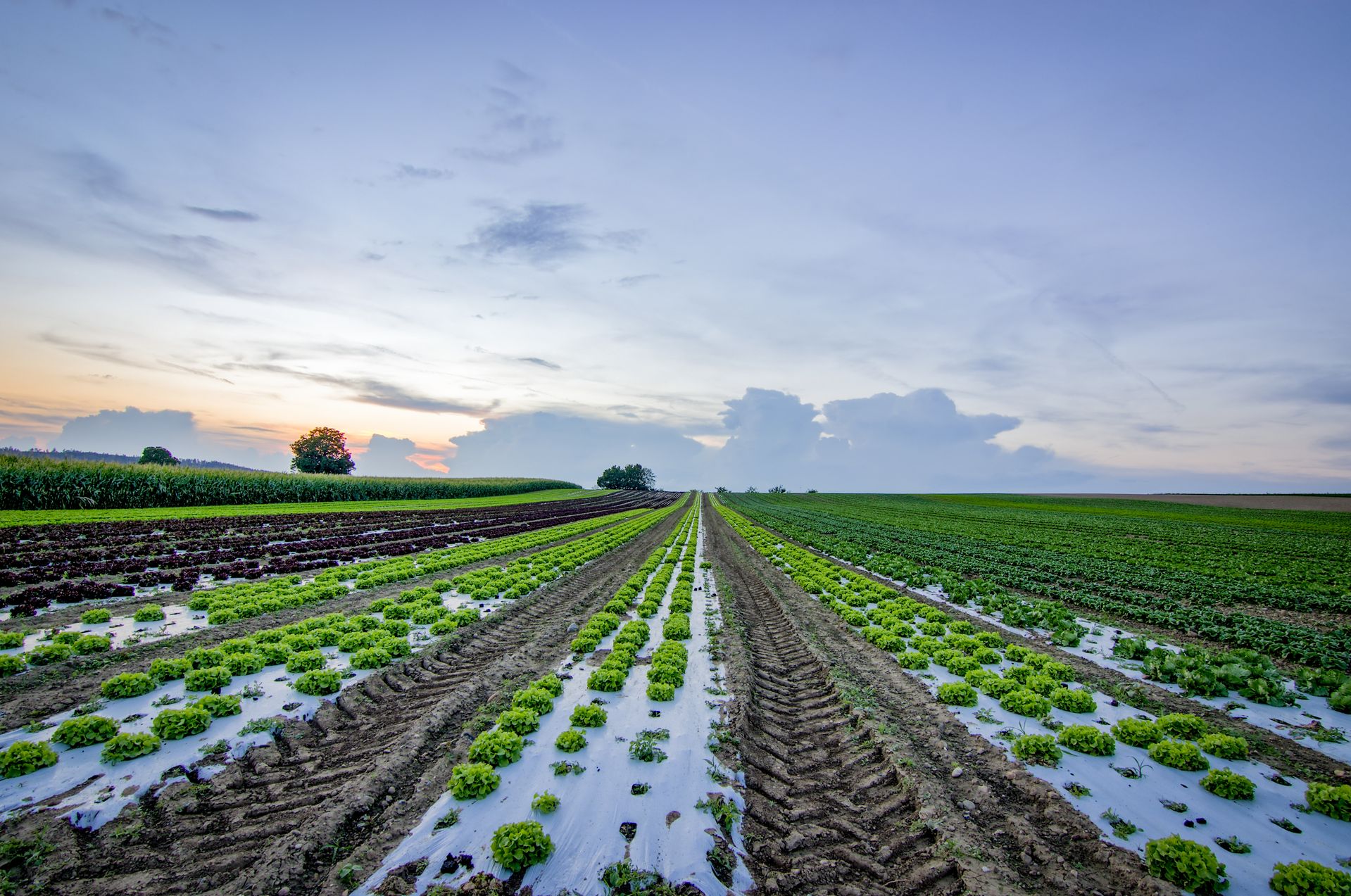
Farms depend on healthy land, clean water, useful insects, and living organisms. When these parts work together, farms can produce food while supporting nature. However, poor land use can damage soil, water, and wildlife. In this article, we discuss top practices for protecting farm ecosystems and keeping agricultural land productive for the future. Simple changes can reduce damage and create a healthier balance between farming and nature.
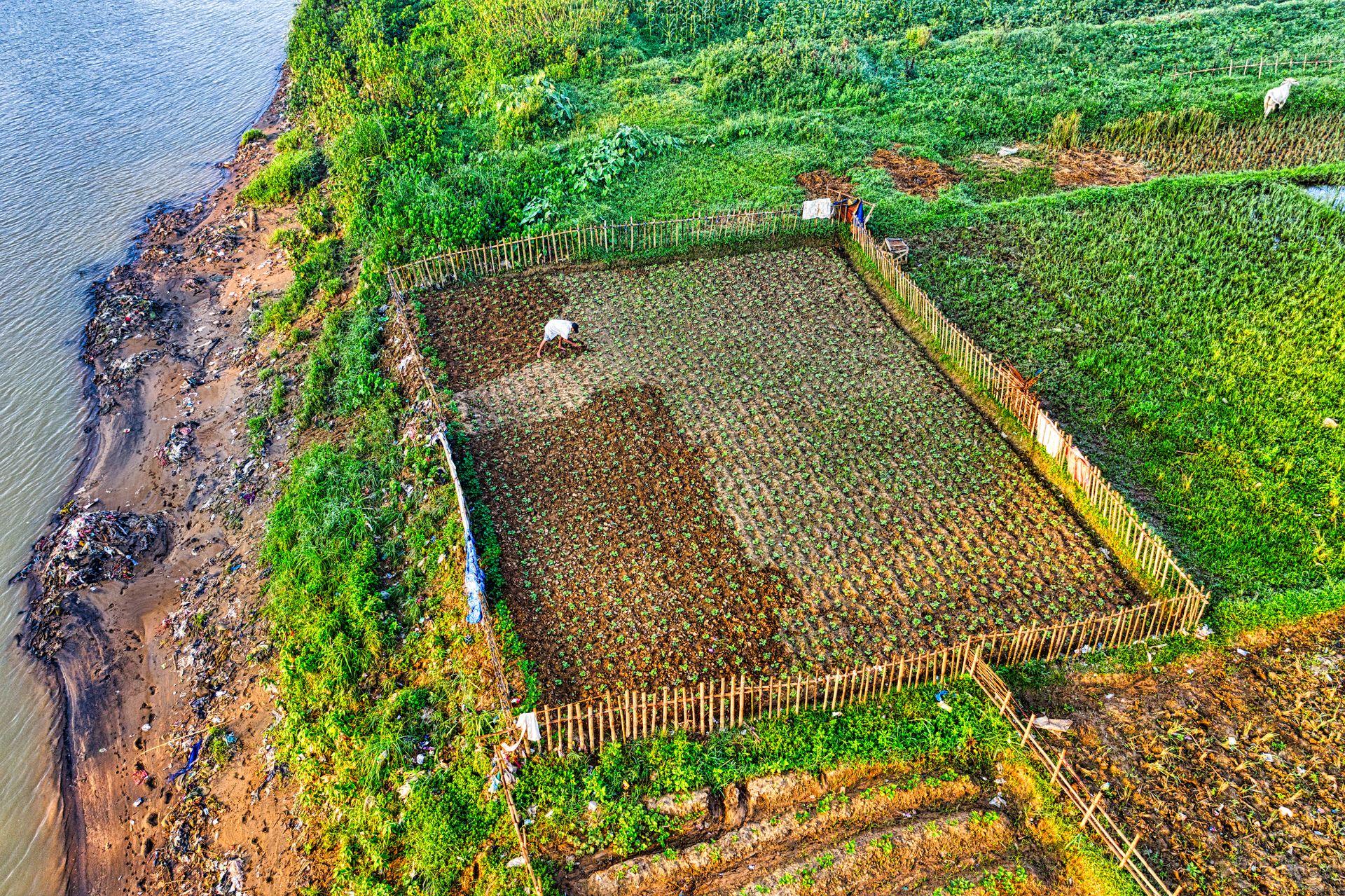
Practical Ways To Protect Farm Ecosystems And Support Healthy Land
A healthy farm ecosystem includes more than crops and livestock. It also includes soil organisms, birds, insects, plants, water, and other wildlife. Farmers can protect these resources by using methods that reduce waste and limit damage to natural systems.
Protect Soil From Erosion
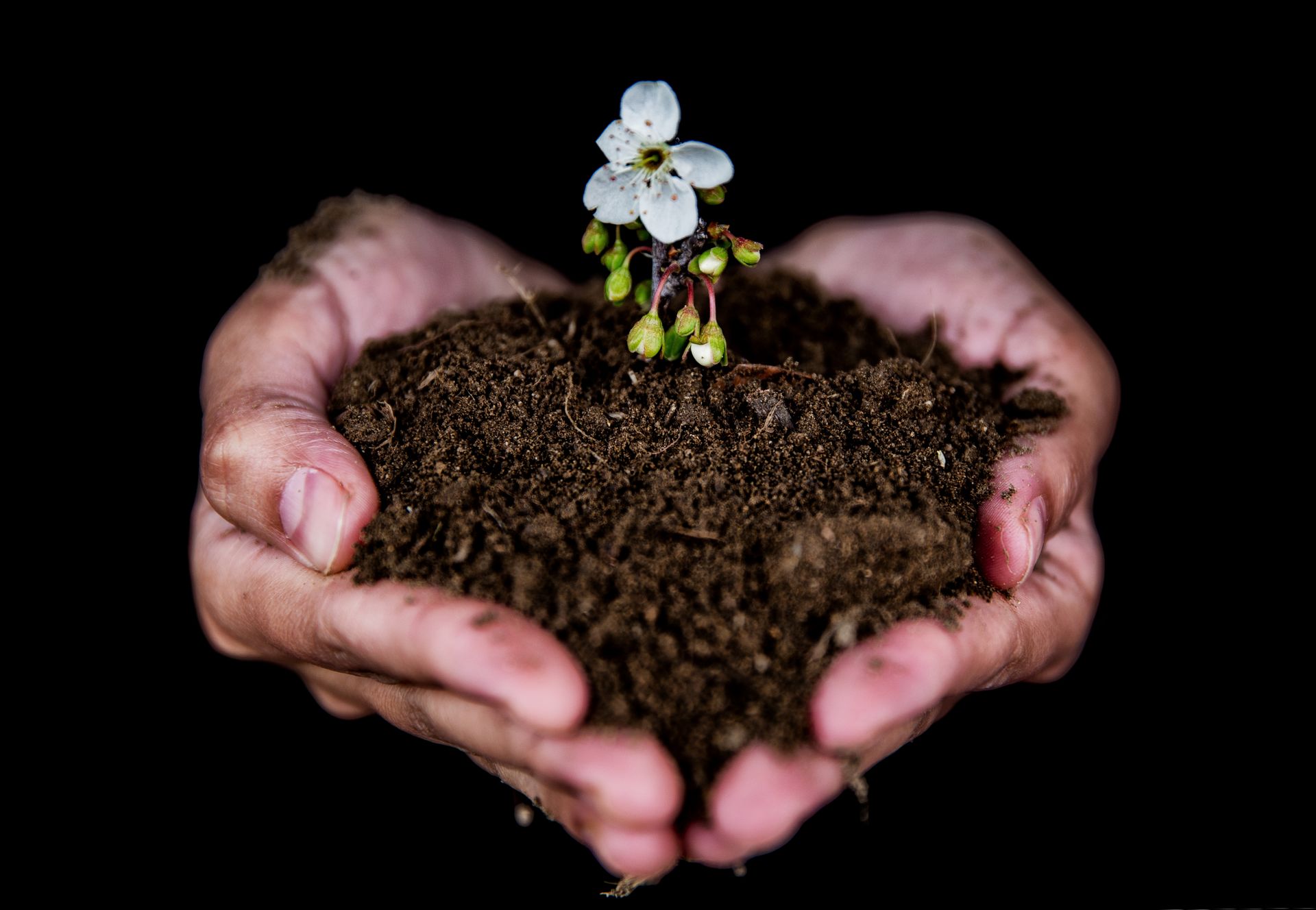
Healthy soil supports strong crops. However, wind and rain can remove valuable topsoil when the ground remains bare. Farmers can reduce this risk by keeping soil covered.
Cover crops, mulch, grass, and plant remains can protect the surface. Their roots also help hold soil together. In addition, reduced tillage can protect soil structure and reduce unnecessary disturbance.
Protect Water Sources
Clean water is important for crops, livestock, people, and wildlife. Farms should prevent soil, fertilizers, and other materials from entering streams and ponds.
Vegetation near waterways can act as a natural filter. Grass and trees can slow runoff and trap some soil particles before they reach the water. Farmers should also use fertilizers carefully and avoid applying more than crops need.
Support Useful Wildlife
Wildlife can play an important role on farms. Birds can eat insects. Bees and other pollinators can help plants produce fruit and seeds. Predatory insects can also reduce harmful pest populations.
Farmers can create better habitats by planting native flowers, maintaining trees, and leaving suitable natural areas around fields. These spaces provide food and shelter for useful species.
Use Natural Pest Control
Pesticides can help control serious pest problems, but unnecessary use can harm useful insects and other organisms. Farmers can start with prevention and regular monitoring.
Natural pest management can include:
-
Attracting helpful insects.
-
Rotating crops.
-
Removing heavily affected plant parts.
-
Using physical barriers.
-
Growing different crops.
-
Applying treatments only when needed.
These methods can reduce pressure on the wider farm environment.
Grow Different Crops
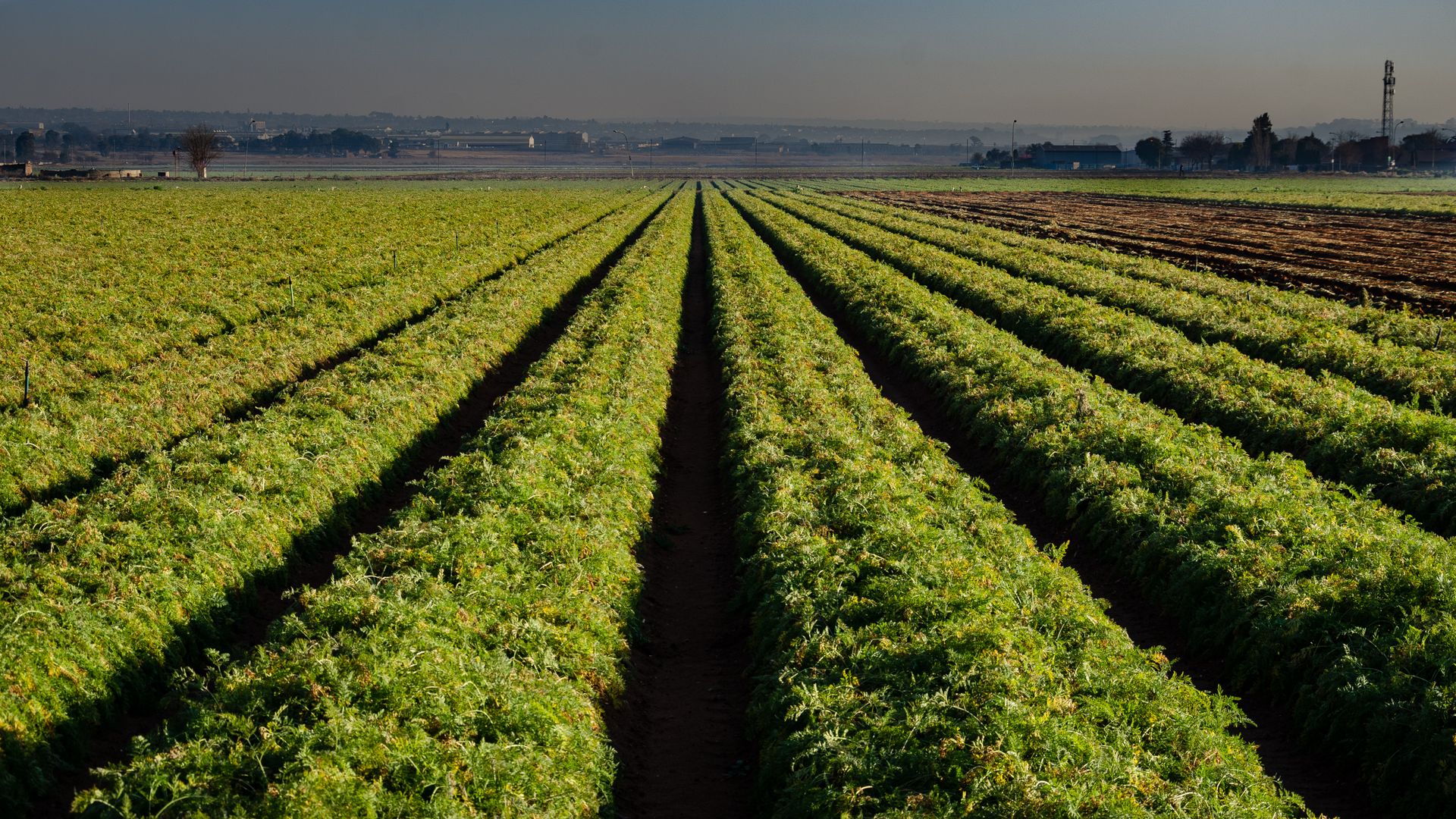
Growing several crops can make a farm more diverse. Different plants have different roots, nutrient needs, and growth patterns. This can support soil health and reduce the pressure created by growing one crop repeatedly.
Crop rotation can also interrupt the life cycles of some pests and diseases. As a result, farmers may need fewer treatments in some situations.
Plant Trees And Hedgerows
Trees and hedgerows can provide many benefits. Their roots help hold soil in place. Their leaves provide shelter and food for wildlife. They can also slow wind and reduce soil movement.
Farmers can plant trees around field edges, along waterways, or in other suitable areas. Native species are often a good choice because local wildlife may already depend on them.
Use Water Wisely
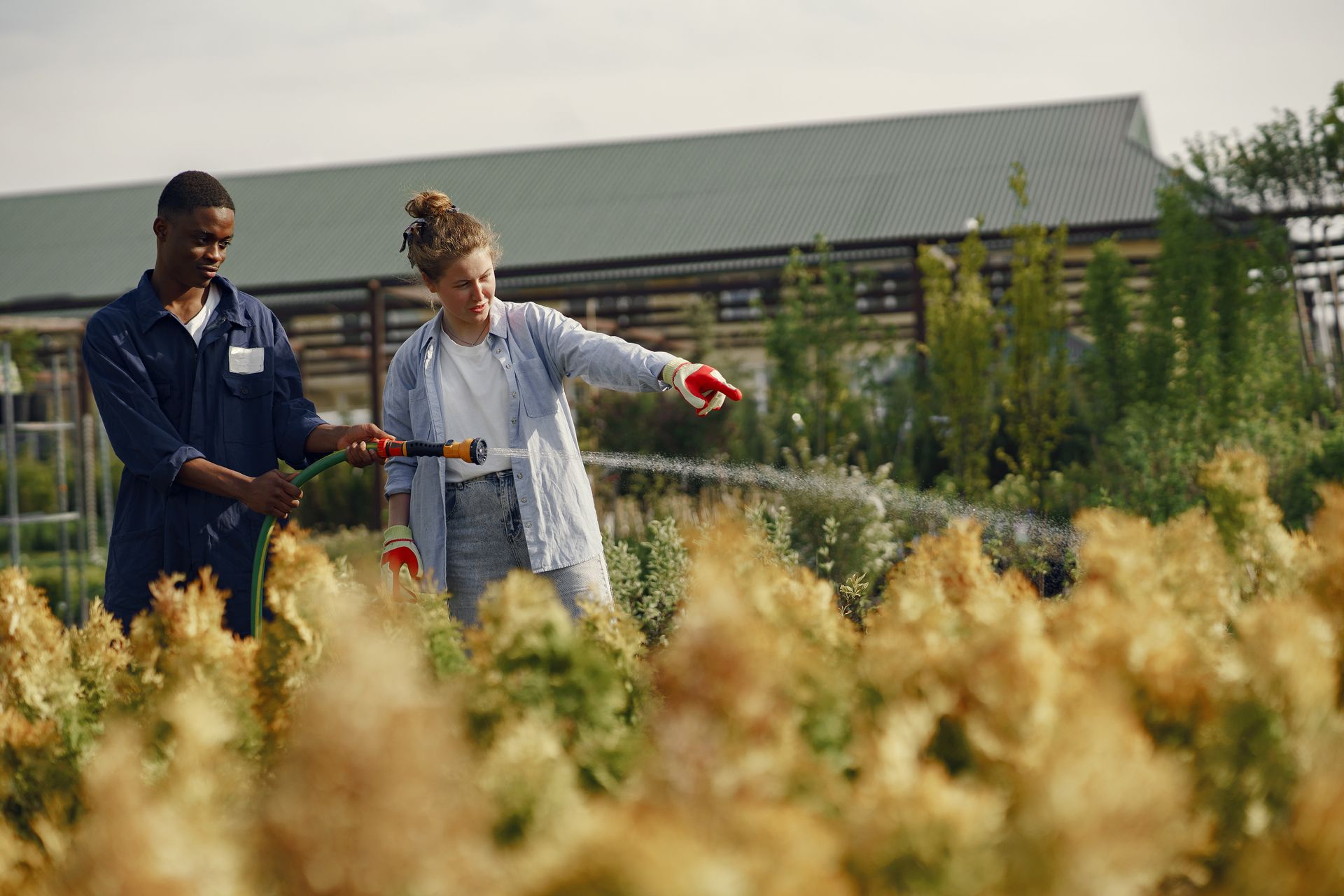
Water is a valuable farm resource. Wasteful irrigation can reduce water supplies and increase farm costs. Efficient irrigation systems can deliver water where crops need it.
Farmers can also check soil moisture before watering. This helps avoid applying water when the soil already contains enough moisture. Collecting and storing rainwater may also provide another useful water source where local conditions allow it.
Manage Farm Waste
Poor waste management can harm soil and water. Farmers should handle manure, crop waste, plastics, and other materials carefully.
Organic waste can sometimes be composted or used to produce biogas. Recycling suitable materials can also reduce the amount of waste sent to disposal sites. Keeping waste away from waterways is especially important.
Keep Natural Areas On The Farm
Not every part of a farm needs to grow crops. Small natural areas can provide valuable habitat for wildlife. They can also connect different habitats across the landscape.
Farmers can protect patches of trees, grass, wetlands, and other natural areas where possible. These spaces can support biodiversity while adding useful environmental benefits to the farm.
Monitor The Farm Regularly
Good ecosystem management requires regular observation. Farmers should look for changes in soil, water, plants, insects, and wildlife.
Useful checks include:
-
Look for signs of soil erosion.
-
Check water quality and drainage.
-
Watch for unusual pest increases.
-
Inspect crop health.
-
Monitor useful insects and pollinators.
-
Check areas near streams and ponds.
-
Record changes from season to season.
Early action can prevent small problems from becoming larger ones.
Conclusion
Protecting farm ecosystems does not always require complex solutions. Farmers can start by protecting soil, saving water, supporting wildlife, managing pests carefully, and reducing waste. Crop diversity, trees, natural habitats, and efficient farming methods can also strengthen the land. When farmers protect the natural systems around their fields, they can support healthier crops and more resilient farms. These practices can help farmland remain productive while giving nature room to thrive.