Every farmer wants healthy crops and better harvests. However, higher yields do not always come from planting more seeds or using more fertilizer. Good planning, healthy soil, proper watering, pest control, and timely farm work all play important roles. In this article, we discuss the top ways to improve crop yields using practical methods that can work on both small and larger farms. By understanding what crops need and managing resources carefully, farmers can improve production while reducing avoidable losses.
Choose The Right Crop Varieties
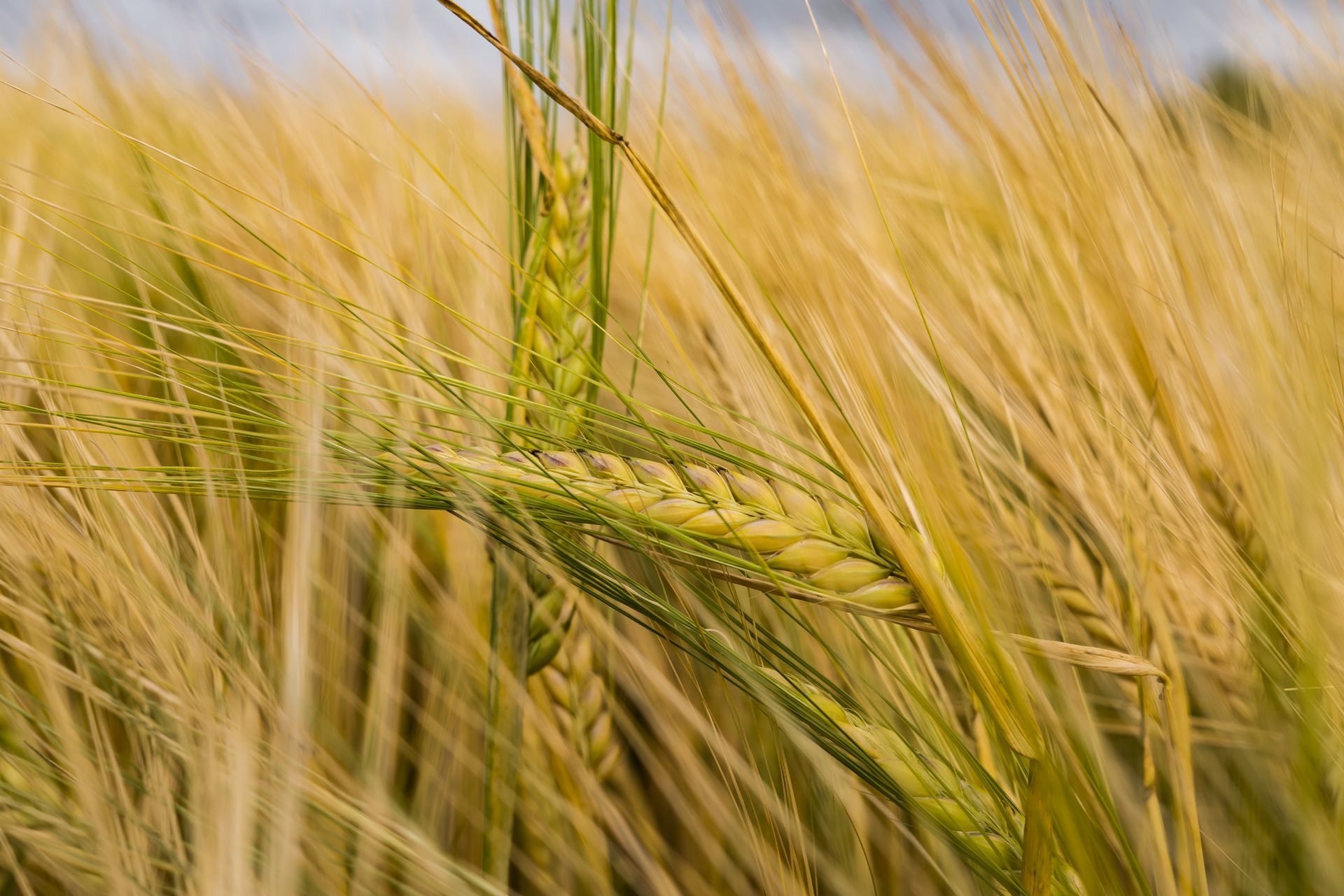
The type of seed you plant can have a major effect on your harvest. Choose varieties that suit your local climate, soil, rainfall, and growing season.
Some varieties may tolerate drought better, while others may resist common diseases or mature quickly. If possible, ask local agricultural advisers and experienced farmers about varieties that perform well in your area.
Also, buy seeds from reliable suppliers. Poor-quality seeds can lead to weak germination and uneven crop growth.
Improve Soil Health
Healthy soil gives crops the nutrients and support they need to grow strong. Before planting, learn about your soil condition and identify any major nutrient problems.
Adding suitable organic matter can improve soil structure and support useful organisms. Compost, well-rotted manure, and crop residues can provide organic material when used correctly.
Protect Soil Between Crops
Do not leave soil bare for long periods when you can avoid it. Mulch and cover crops can protect the surface from erosion and reduce moisture loss.
Crop rotation can also help prevent repeated nutrient removal and reduce certain pest and disease problems.
Provide Enough Water
Water shortages can quickly reduce crop growth and harvest size. At the same time, too much water can damage roots and create conditions that encourage disease.
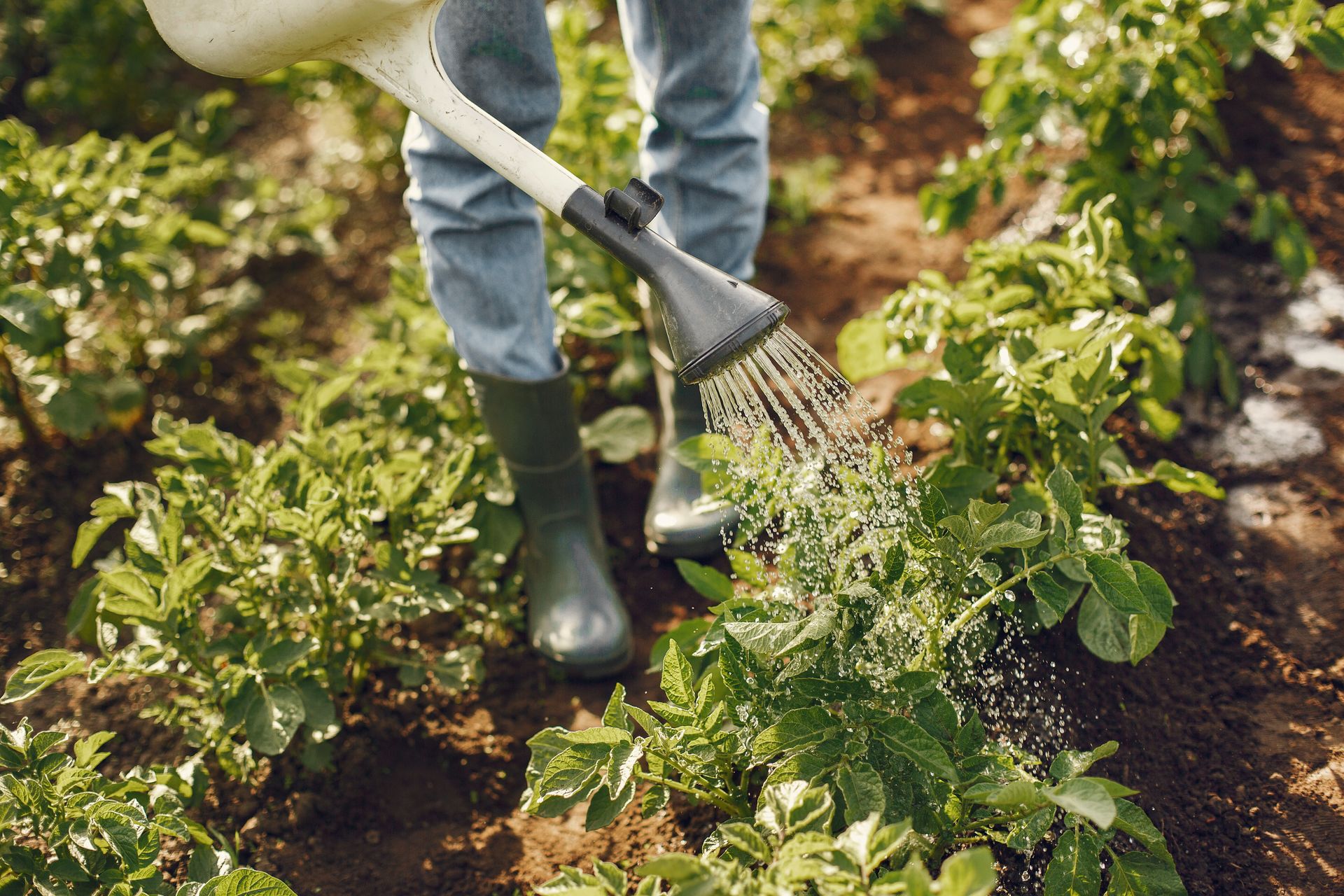
Check your soil regularly and water according to crop needs. Drip irrigation can help deliver water close to plant roots, while other systems may be more suitable for larger areas.
Water during cooler periods when possible to reduce unnecessary evaporation.
Control Weeds Early
Weeds compete with crops for water, nutrients, sunlight, and space. If they become established, they can be difficult to remove and may reduce yields.
Inspect your fields regularly and remove weeds while they are still young. Mulching, crop rotation, cover crops, and suitable spacing can also reduce weed growth.
Early action usually requires less time and effort than dealing with a heavily infested field.
Manage Pests And Diseases
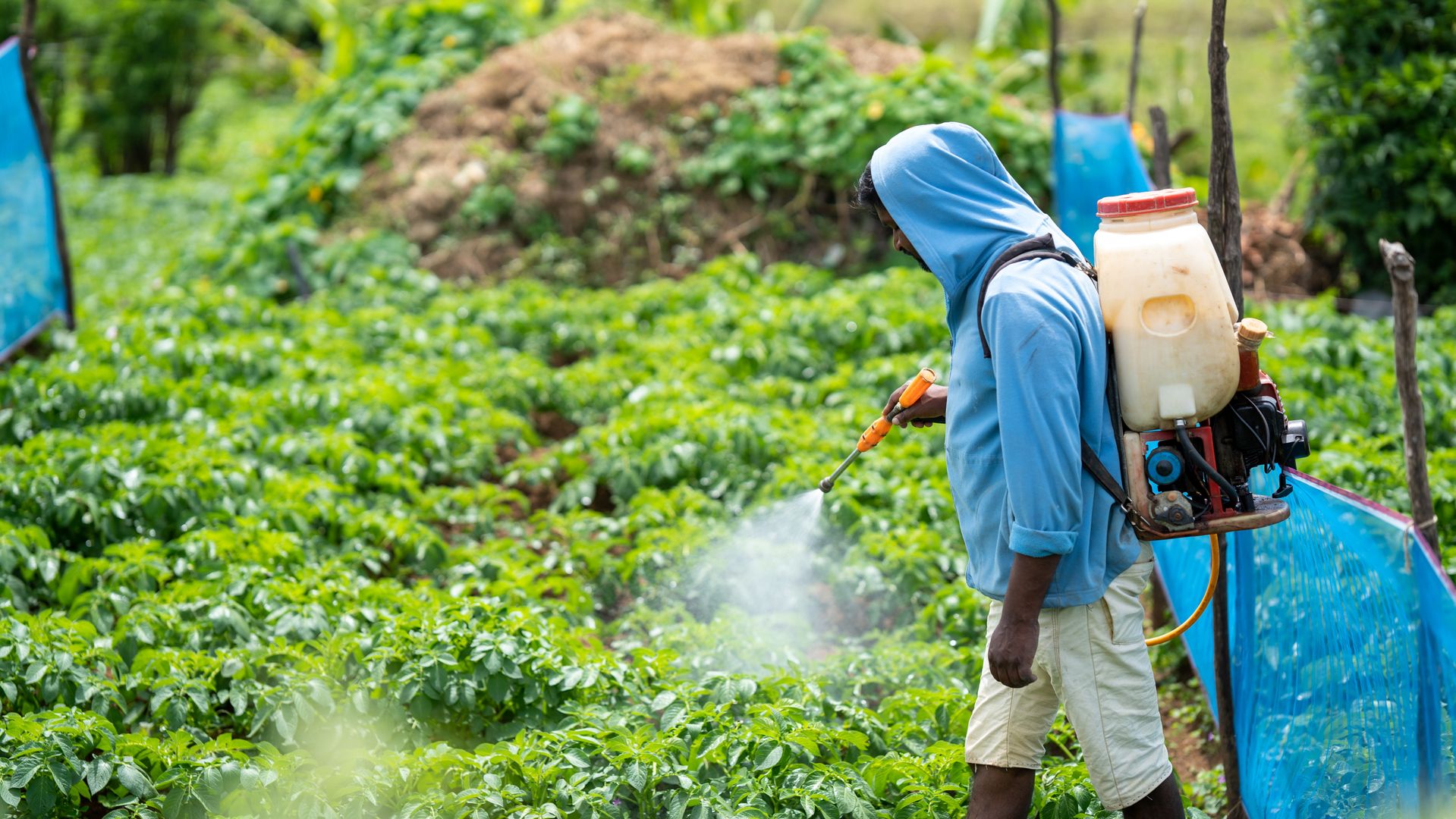
Pests and diseases can destroy a large portion of a crop if they are not detected early. Walk through your fields often and look for unusual leaves, damaged stems, insects, or poor plant growth.
Good field hygiene can help reduce problems. Remove seriously affected plant material when appropriate and keep tools clean.
You can also use integrated pest management methods. These may include crop rotation, resistant varieties, biological controls, physical barriers, and carefully selected treatments when needed.
Plant At The Right Time
Timing can have a major effect on crop performance. Planting too early or too late may expose crops to unsuitable temperatures, poor rainfall, pests, or diseases.
Learn the recommended planting period for each crop in your area. Watch local weather conditions and prepare the land before the ideal planting window arrives.
Timely planting can help crops use available moisture and sunlight more effectively.
Give Plants Enough Space
Correct spacing helps plants receive enough sunlight, air, water, and nutrients. Crowded plants may compete with one another and can create humid conditions that encourage some diseases.
On the other hand, spacing plants too far apart can leave unnecessary areas where weeds can grow.
Follow recommended spacing for each variety and adjust it based on your local growing conditions.
Feed Crops Carefully
Fertilizer can support crop growth when the soil lacks important nutrients. However, more fertilizer does not always mean a larger harvest.
Too much fertilizer can damage plants, waste money, and harm soil and water. Where possible, use soil testing to guide fertilizer decisions.
Apply nutrients at the correct time and in suitable amounts. Combining organic matter with responsible fertilizer use can support long-term soil health.
Harvest At The Right Time
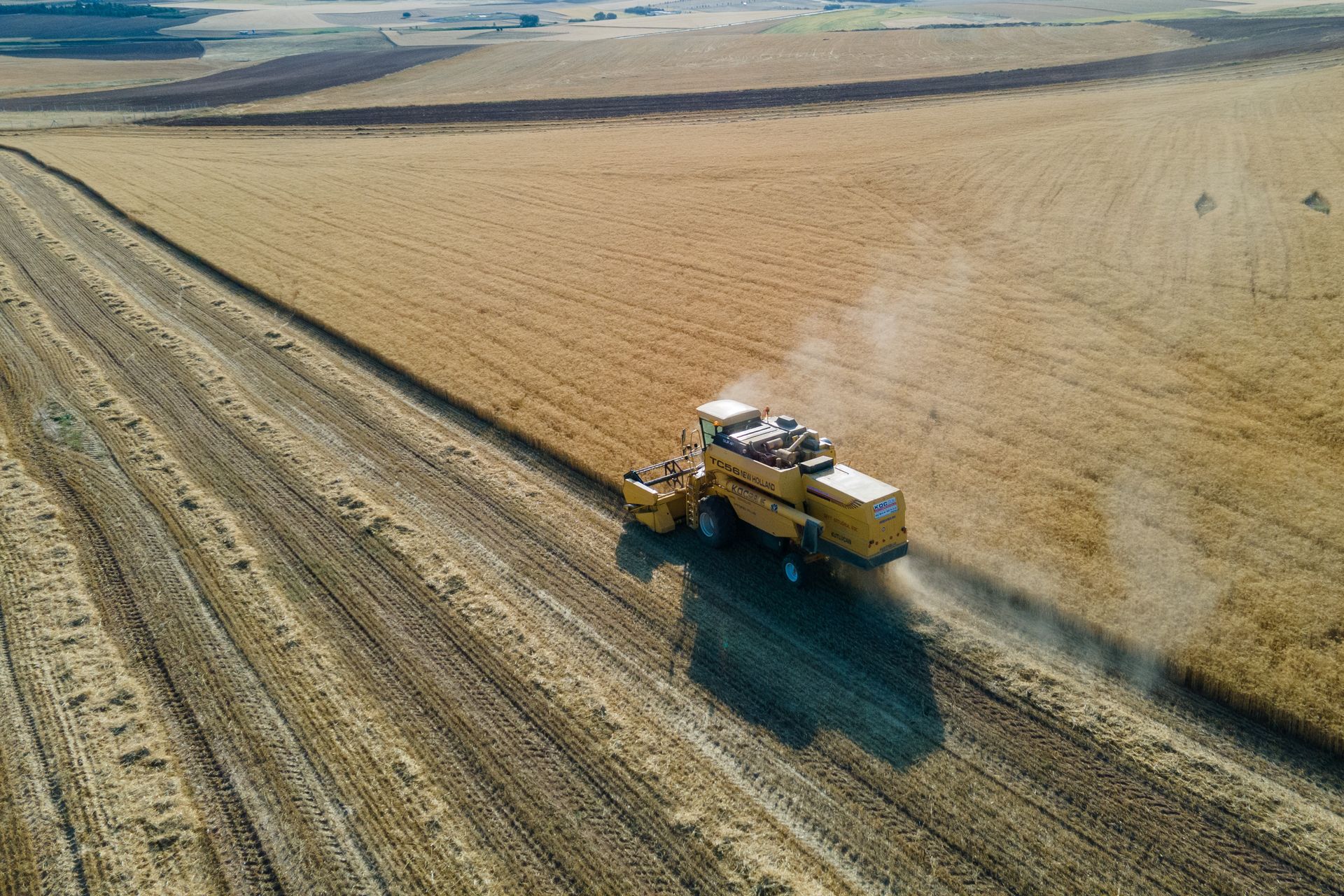
Good production can still be wasted if crops are harvested too early or too late. Learn the signs of maturity for each crop.
Handle harvested produce carefully to reduce bruising and damage. Proper storage and transportation can also prevent losses after harvest.
Keep Farm Records
Record planting dates, seed varieties, fertilizer use, rainfall, pest problems, harvest quantities, and selling prices. These records help you understand what works best.
Compare results between seasons. If one variety consistently produces better results under your conditions, consider using it again.
Conclusion
The top ways to improve crop yields involve several practices working together. Choose suitable seeds, maintain healthy soil, manage water carefully, control weeds, monitor pests, and plant at the right time. Give crops enough space and nutrients, then harvest them carefully. Most importantly, keep records and learn from each growing season. Small improvements made consistently can lead to healthier crops, better harvests, and more efficient use of farm resources.