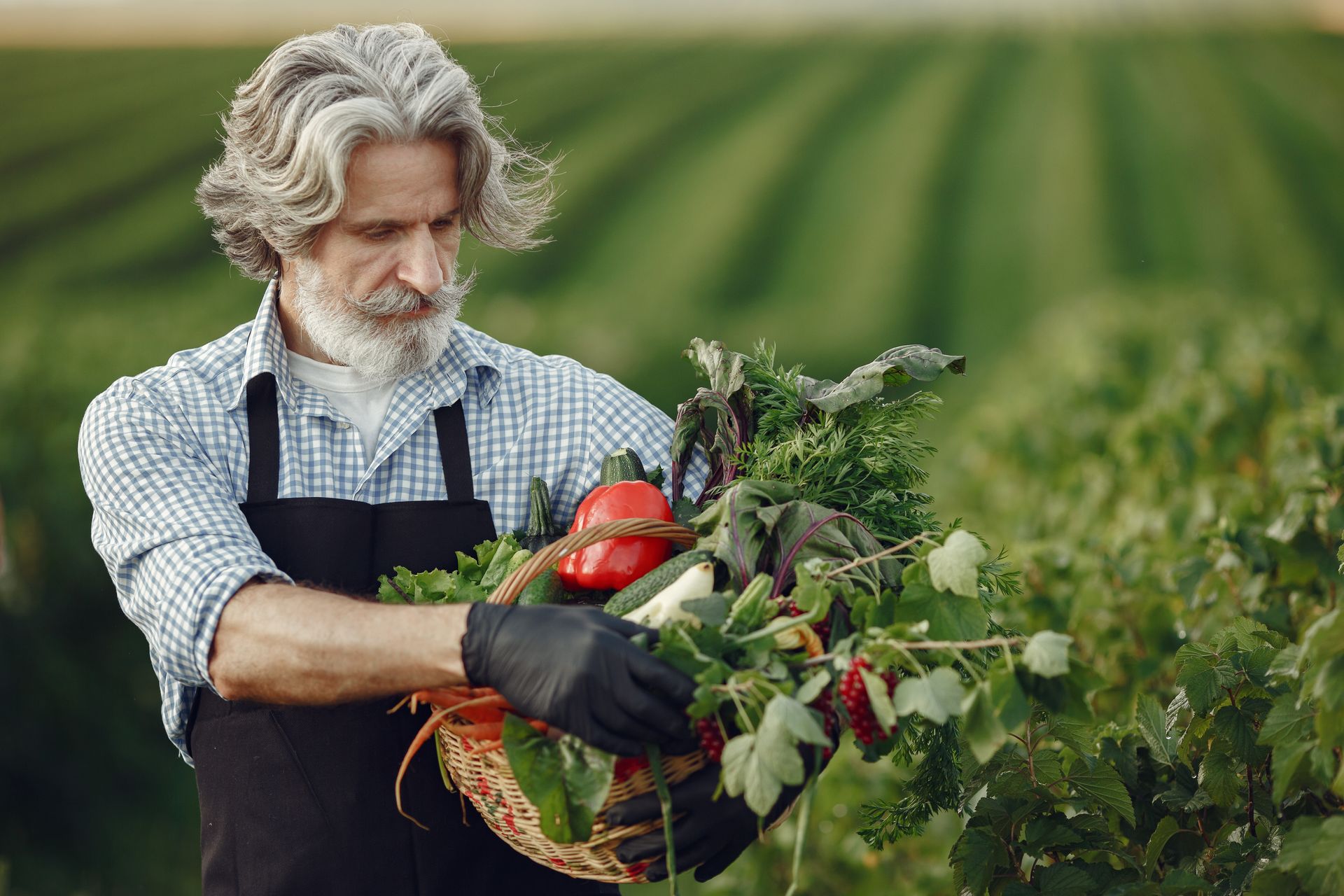
Farm products come in many forms, providing food, raw materials, and income for communities around the world. While crops and livestock are among the most familiar examples, modern farms can produce a much wider range of goods. Understanding these categories helps farmers choose suitable enterprises, plan production, identify potential markets, and make better use of available land and resources.
Crop-Based Farm Products
Crops represent one of the largest categories of agricultural products. Farmers grow plants for food, animal feed, processing, or industrial uses.
Grains and Cereals
Grains such as maize, wheat, rice, sorghum, and barley are important food and feed crops. Farmers may sell them directly after harvest or supply processors that turn them into flour, animal feed, cereals, and other products.
Grain production often requires careful attention to soil fertility, rainfall, pest management, harvesting, and storage. Proper storage is particularly important because moisture and pests can reduce quality after harvest.
Fruits and Vegetables
Fruits and vegetables include products such as tomatoes, onions, leafy greens, peppers, bananas, citrus fruits, and mangoes. These crops can provide valuable income, particularly when farmers have access to nearby markets.
However, many fresh products are highly perishable. Farmers therefore need efficient harvesting, sorting, packaging, storage, and transportation practices to preserve quality.
Livestock Products
Livestock farming produces both animals and products derived from them. Cattle, goats, sheep, pigs, and other animals can contribute to farm income in different ways.
Farmers may sell animals for breeding, meat production, or further rearing. Livestock can also provide manure, which may be used to improve soil fertility when properly managed.
Meat Products
Meat production involves raising animals until they reach an appropriate market condition. Farmers must consider feed costs, animal health, housing, labor, and market demand.
Good animal management supports healthy growth and helps farmers produce animals that meet buyer expectations.
Dairy Products
Dairy farming focuses primarily on milk production from animals such as cattle and goats. Fresh milk can be sold directly where appropriate facilities and regulations allow, or it can become products such as yogurt, cheese, butter, and other processed foods.
Dairy production requires consistent animal nutrition, clean milking practices, reliable water supplies, and suitable storage. Because fresh milk is highly perishable, farmers need an efficient system for moving it from the farm to the buyer.
Poultry Products
Poultry farming includes chickens, ducks, turkeys, and other domesticated birds. Farmers may focus on meat birds, egg production, or breeding stock.
Eggs can provide regular sales because production occurs throughout much of the year under suitable management. Poultry meat can also reach consumers through local markets, retailers, restaurants, and other channels.
Farmers should carefully manage housing, feeding, sanitation, ventilation, and disease prevention to maintain productive flocks.
Fiber and Industrial Products
Not all farm products are intended for direct consumption. Some crops provide raw materials for manufacturing and other industries.
Cotton, for example, supplies fiber for textiles. Other agricultural materials can contribute to products such as oils, animal feeds, biofuels, cosmetics, paper, and construction materials.
These enterprises may require specialized equipment, processing facilities, or contracts with commercial buyers. Consequently, farmers should research the market before investing heavily in a specialized crop.
Specialty and Value-Added Products
Some farmers increase the value of their production by processing raw materials into finished or semi-finished goods.
Examples include:
-
Dried fruits and vegetables
-
Jams and preserves
-
Ground grains and flour
-
Cheese and yogurt
-
Packaged herbs
-
Roasted or processed nuts
-
Honey-based products
Value addition can extend shelf life and create new markets. However, farmers must consider processing costs, packaging, food safety requirements, labeling, and local regulations.
Choosing the Right Farm Products
Selecting suitable farm products requires more than considering what grows well. Farmers should evaluate the entire production and marketing process before committing resources.
Important questions include:
-
What products suit the local climate and soil?
-
How much water is available?
-
What equipment and labor are required?
-
Who will buy the finished product?
-
How long can the product be stored?
-
What are the production and transportation costs?
-
Are processing facilities available?
-
What regulations apply to the product?
Farmers should also consider diversification. Producing several complementary products can spread risk and create multiple sources of income. However, diversification should remain manageable because each enterprise requires time, knowledge, and resources.
Match Production With Market Demand
Successful agriculture depends heavily on understanding customers. A product may grow exceptionally well but generate disappointing returns if demand is weak or transportation costs are too high.
Before planting or expanding an enterprise, farmers should research local prices, seasonal demand, competing suppliers, and potential buyers. Talking directly with retailers, processors, restaurants, wholesalers, and consumers can provide useful insights.
Record sales and production results each season. Over time, these records can reveal which farm products provide the best combination of demand, profitability, and manageable production requirements.
Build a Diverse Farm Enterprise
Understanding different agricultural products gives farmers more opportunities to develop resilient businesses. Crops can provide food and raw materials, while livestock, dairy, poultry, and specialty products can create additional income streams.
The most suitable combination depends on available land, water, labor, skills, infrastructure, and market access. Farmers should therefore assess their resources carefully and introduce new enterprises gradually.
Ultimately, successful farming involves producing goods that meet both biological and market requirements. By understanding the characteristics of different farm products, farmers can make informed production decisions, reduce unnecessary risks, and develop enterprises that support long-term farm sustainability.