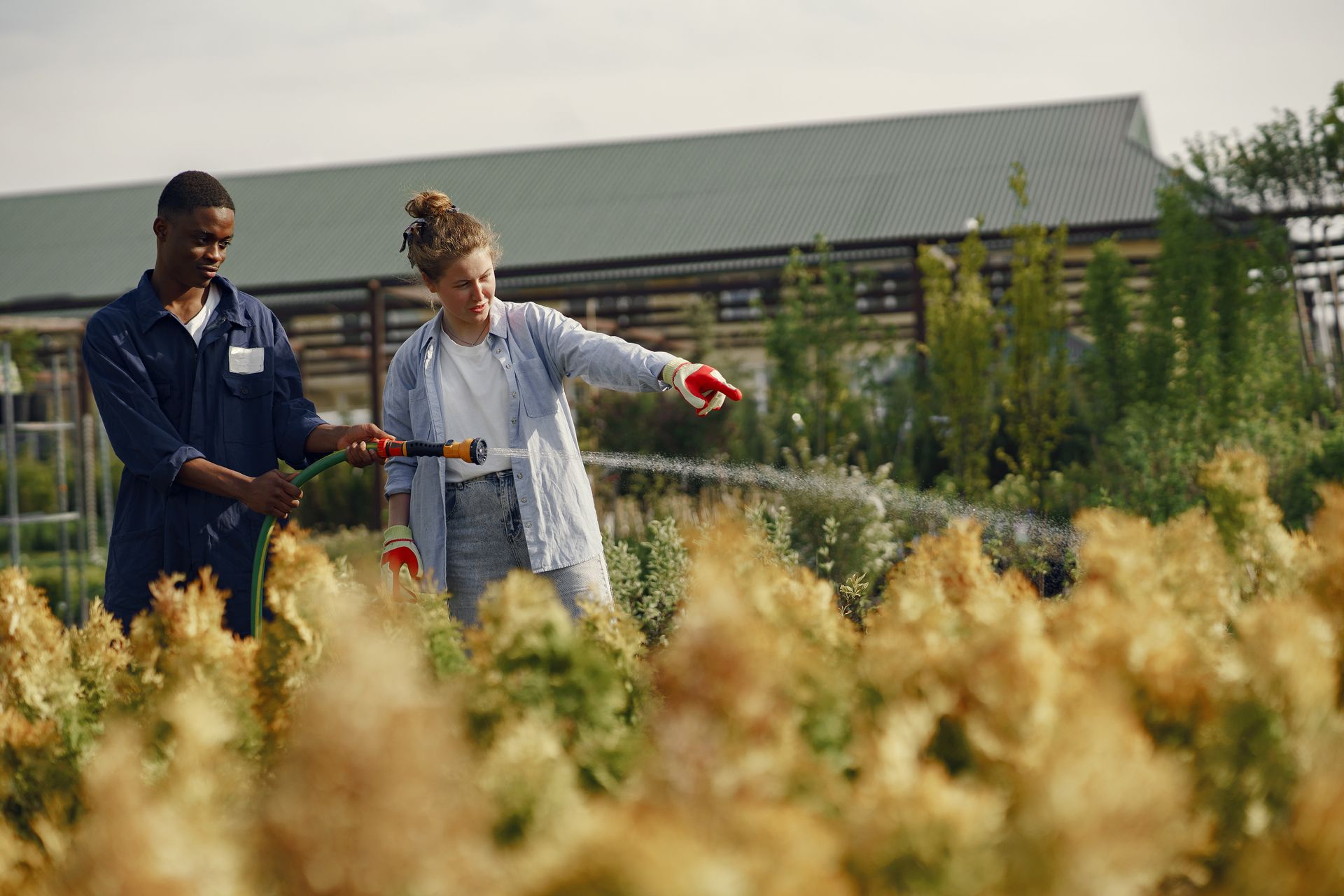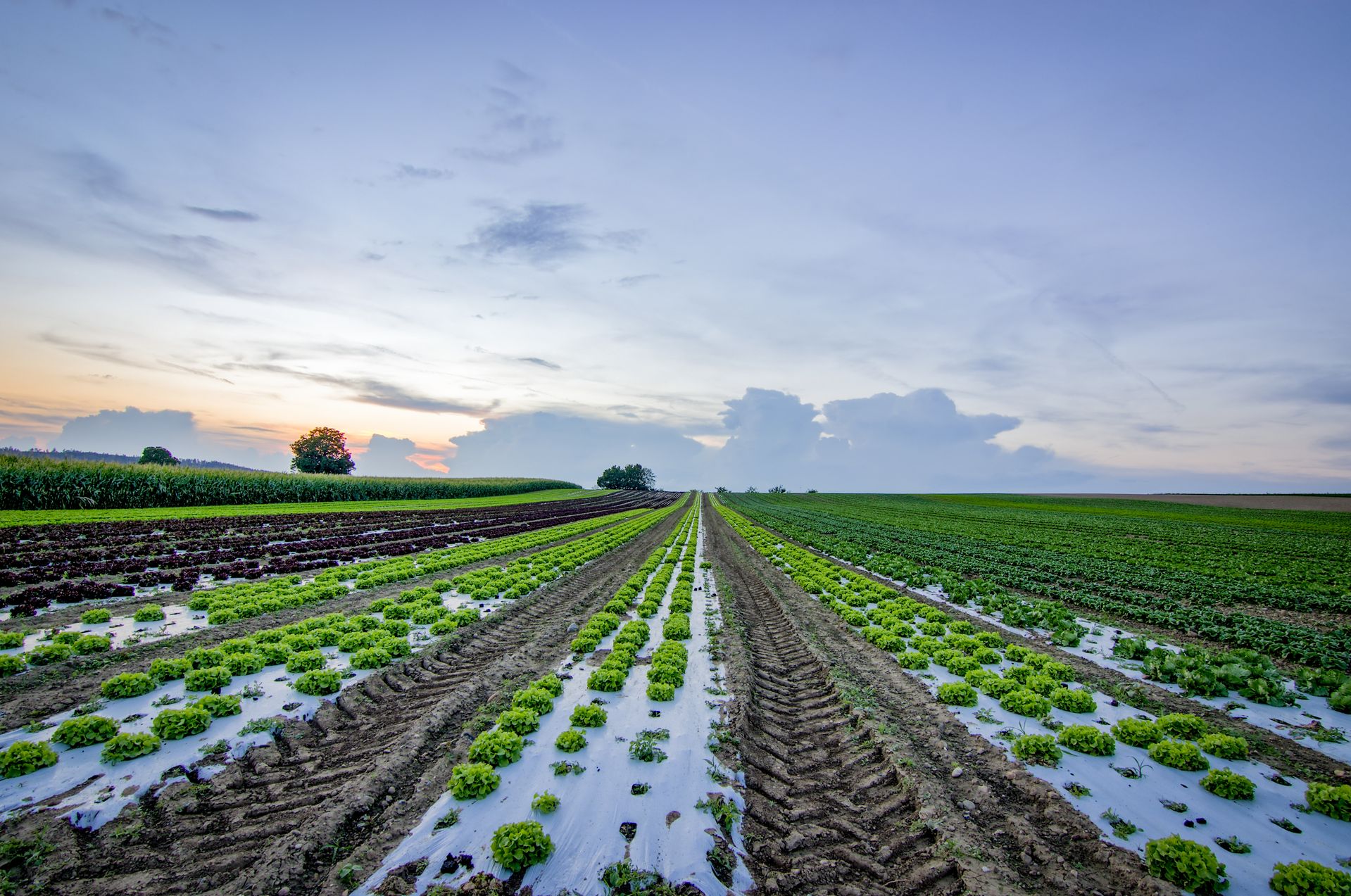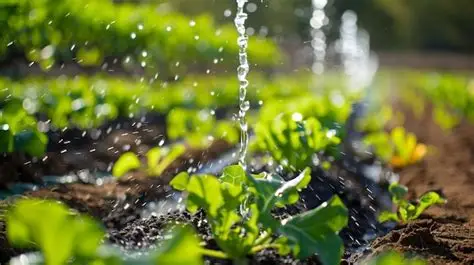
Farm water conservation helps farmers protect a limited resource while maintaining productive crops and livestock. Water shortages, changing rainfall patterns, rising costs, and inefficient irrigation can place pressure on agricultural operations. Fortunately, farmers can reduce unnecessary water loss through better soil management, efficient irrigation, rainwater collection, and thoughtful crop selection. By combining several practical methods, farms can improve water efficiency without sacrificing productivity.
Improve Irrigation Efficiency
Irrigation can consume substantial amounts of water when farmers use inefficient systems or apply more water than crops require. Therefore, improving irrigation should be one of the first steps toward better farm water conservation.
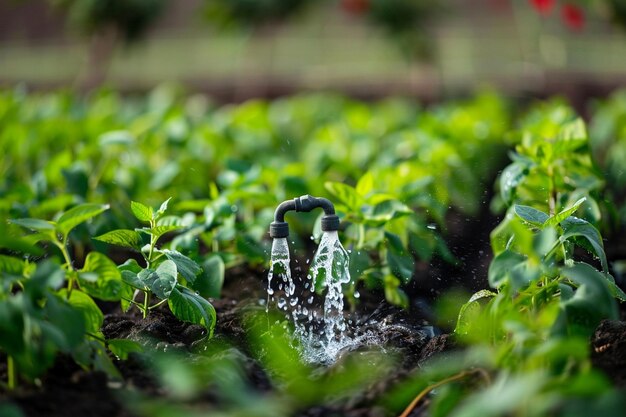
Drip irrigation delivers water closer to plant roots and can reduce losses caused by evaporation and runoff. Sprinkler systems can also work efficiently when farmers maintain equipment and operate them at suitable times.
Avoid irrigating automatically without checking soil moisture. Instead, observe soil conditions and crop needs before applying additional water.
Maintain Irrigation Equipment
Leaks, damaged pipes, blocked emitters, and faulty valves can waste significant amounts of water. Inspect irrigation systems regularly and repair problems promptly.
Farmers should also check water pressure and ensure that irrigation equipment distributes water evenly. Uneven application can leave some plants dry while unnecessarily watering others.
Harvest Rainwater
Rainwater harvesting provides farmers with another source of water for suitable agricultural activities. Collecting rainfall from roofs, sheds, greenhouses, or other surfaces can reduce dependence on groundwater or other sources.
Store collected water in appropriate tanks or reservoirs and keep storage systems covered and clean. Before using harvested water, consider the requirements of the intended crop or livestock system.
Where appropriate, farms can also construct carefully designed ponds, swales, or small water-holding structures to capture runoff and increase water availability.
Improve Soil Health
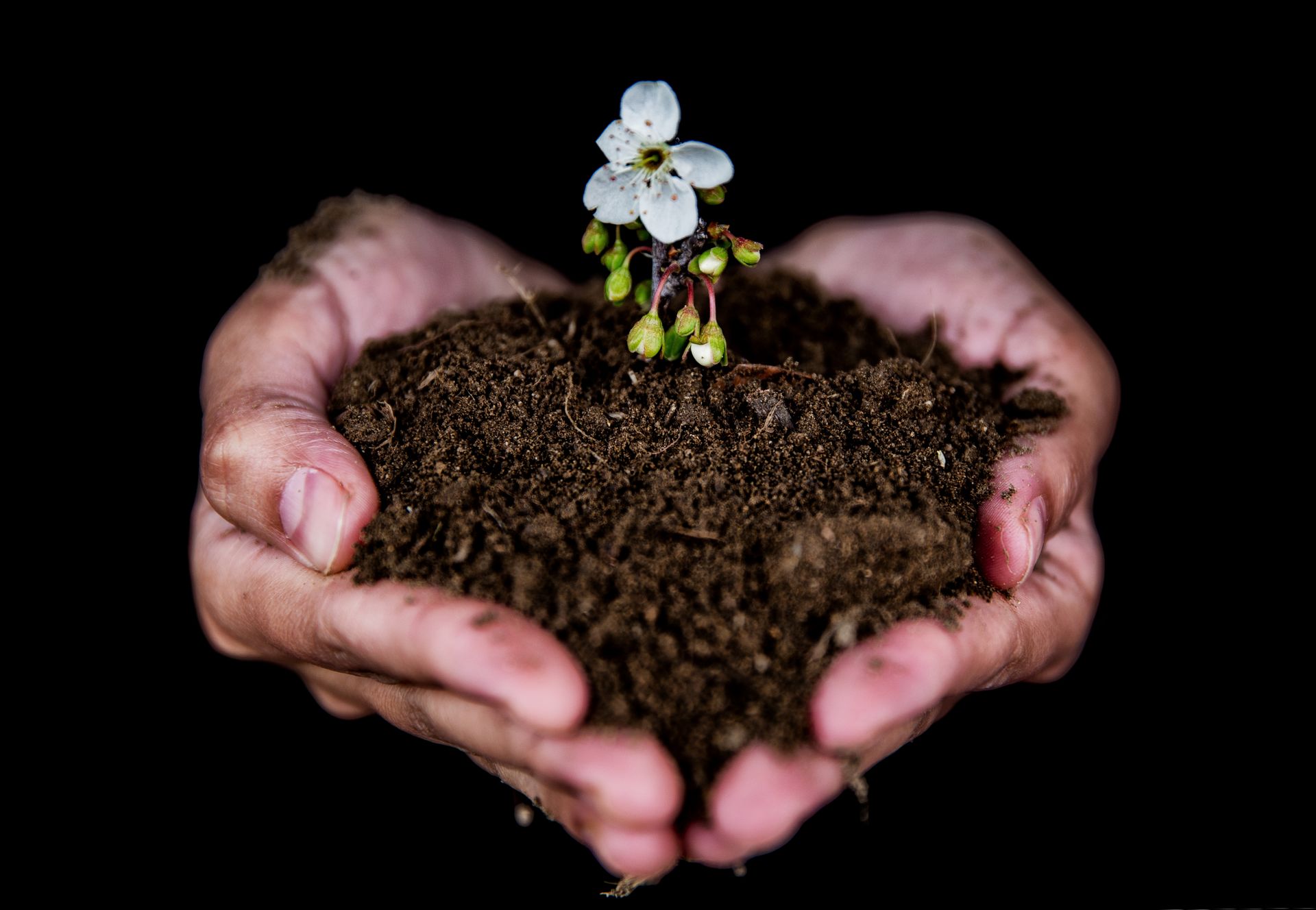
Healthy soil can hold and release water more effectively. Adding suitable organic matter can improve soil structure and increase its ability to retain moisture.
Compost, well-managed crop residues, and other appropriate organic materials can support soil quality. Avoid practices that leave soil unnecessarily exposed to erosion and rapid moisture loss.
Cover crops can also protect soil between main production cycles. Their roots improve soil structure, while their vegetation can reduce the impact of wind and rain.
Use Mulch to Reduce Evaporation
Mulching provides a simple way to conserve moisture around crops. Organic materials such as suitable crop residues, straw, leaves, or composted materials can cover the soil surface.
A suitable mulch layer can reduce evaporation, moderate soil temperature, and suppress competing weeds. Consequently, plants may retain access to moisture for longer periods between irrigation or rainfall events.
However, use clean mulch materials and leave appropriate space around plant stems to reduce potential disease or pest problems.
Control Weeds
Weeds compete with crops for water, nutrients, light, and space. When weed populations become excessive, they can consume moisture that crops need for growth.
Remove weeds using methods appropriate for the farm and crop. Mulching, cultivation, hand weeding, and other integrated approaches can reduce competition.
Regular monitoring is important because removing young weeds is often easier than dealing with an established infestation.
Choose Suitable Crops
Crop selection can significantly affect water demand. Some crops naturally require more water than others, while certain varieties may perform better under local conditions.
Farmers should consider rainfall patterns, soil type, irrigation availability, and the length of the growing season when selecting crops.
Match Planting Times With Rainfall
Where practical, adjust planting schedules to take advantage of predictable seasonal rainfall. Planting at the right time can reduce the amount of supplemental irrigation required during critical growth stages.
However, farmers should base decisions on local climate patterns rather than assuming that rainfall will always arrive according to historical schedules.
Reduce Runoff and Erosion
Water that quickly runs off a field may carry valuable soil and nutrients with it. Controlling runoff helps keep more moisture within the root zone.
Farmers can use practices such as contour planting, terraces, grassed waterways, and other suitable land-management techniques depending on their terrain.
Avoid leaving vulnerable soil exposed, particularly on slopes where heavy rainfall can cause rapid erosion.
Monitor Water Use
Good farm water conservation requires farmers to understand where water goes. Keep records of irrigation volumes, rainfall, pumping costs, and crop performance where practical.
Monitoring can reveal areas where water use is unnecessarily high. For example, one field may require less irrigation because of better soil moisture retention, while another may lose water quickly because of poor soil structure.
Simple measurements can therefore support better decisions and prevent farmers from relying on guesswork.
Reuse Water Responsibly
Some farms can reuse suitable water for specific purposes. For example, properly managed water from certain farm activities may be redirected for non-potable uses.
However, farmers should consider contamination risks before reusing water. Water containing chemicals, pathogens, salts, or other harmful substances may damage crops or create health risks.
When considering water reuse, follow appropriate agricultural and local safety requirements.
Build a Long-Term Water Strategy
Successful farm water conservation involves more than one technique. Farmers should combine efficient irrigation with healthy soils, rainwater harvesting, weed control, mulching, and suitable crop planning.
Start by identifying the farm’s biggest source of water loss. Then address that problem first before investing in additional improvements.
Over time, small changes can produce meaningful results. Better irrigation scheduling, improved soil structure, and reduced runoff can help farms use available water more efficiently.
Ultimately, farm water conservation protects both agricultural productivity and the long-term availability of water. By treating water as a valuable resource and managing it carefully, farmers can reduce waste, lower operating costs, and build more resilient production systems.