Soil erosion can slowly remove the fertile top layer of land. Rain, wind, poor farming practices, and bare ground can all make this problem worse. In this article, we discuss ways to reduce soil erosion sustainably while keeping farmland productive. These methods focus on protecting the soil, improving water movement, and keeping the ground covered. With good planning, farmers and gardeners can protect valuable soil and support healthier crops.
Practical Ways To Reduce Soil Erosion And Protect Farmland
Healthy soil should stay covered whenever possible. Bare soil is easier for rain and wind to carry away. Plant roots can hold soil together, while leaves and plant remains can reduce the force of falling rain. Therefore, keeping plants or organic material on the ground is one of the simplest ways to protect land.
Plant Cover Crops
Cover crops grow when the main crop is not in the field. They protect the soil with their leaves and roots. Their roots also help hold soil in place during heavy rain. When the plants break down, they add organic matter to the ground. This can improve soil structure and help water enter the soil.
Farmers can use plants such as grasses, legumes, or suitable plant mixtures. The best choice depends on the local climate, soil, and farming system.
Use Mulch On Bare Soil
Mulch provides a protective layer over the ground. It can include straw, dry leaves, grass clippings, or other suitable organic materials. Mulch reduces the impact of raindrops and can slow water moving across the surface. It can also help keep soil moist during hot weather.
A good mulch layer may also support soil organisms as it slowly breaks down. However, gardeners should use clean materials and avoid spreading diseased plant waste.
Practice Crop Rotation
Growing the same crop in one place year after year can place pressure on the soil. Crop rotation changes the types of plants grown in a field. Different crops have different root systems and nutrient needs. As a result, rotation can support better soil structure and reduce some farming problems.
Including crops with strong or deep roots can help hold the soil together. Legumes can also add useful nutrients to the soil when managed properly.
Plant Trees And Grass
Trees and grasses can help protect land from both water and wind. Their roots hold soil in place. Their leaves and stems also slow rain and wind near the ground. Planting vegetation along field edges, slopes, and waterways can create useful protective areas.
Trees can provide additional benefits. They may offer shade, habitat, and organic material. However, farmers should select species that suit the local environment.
Use Contour Farming
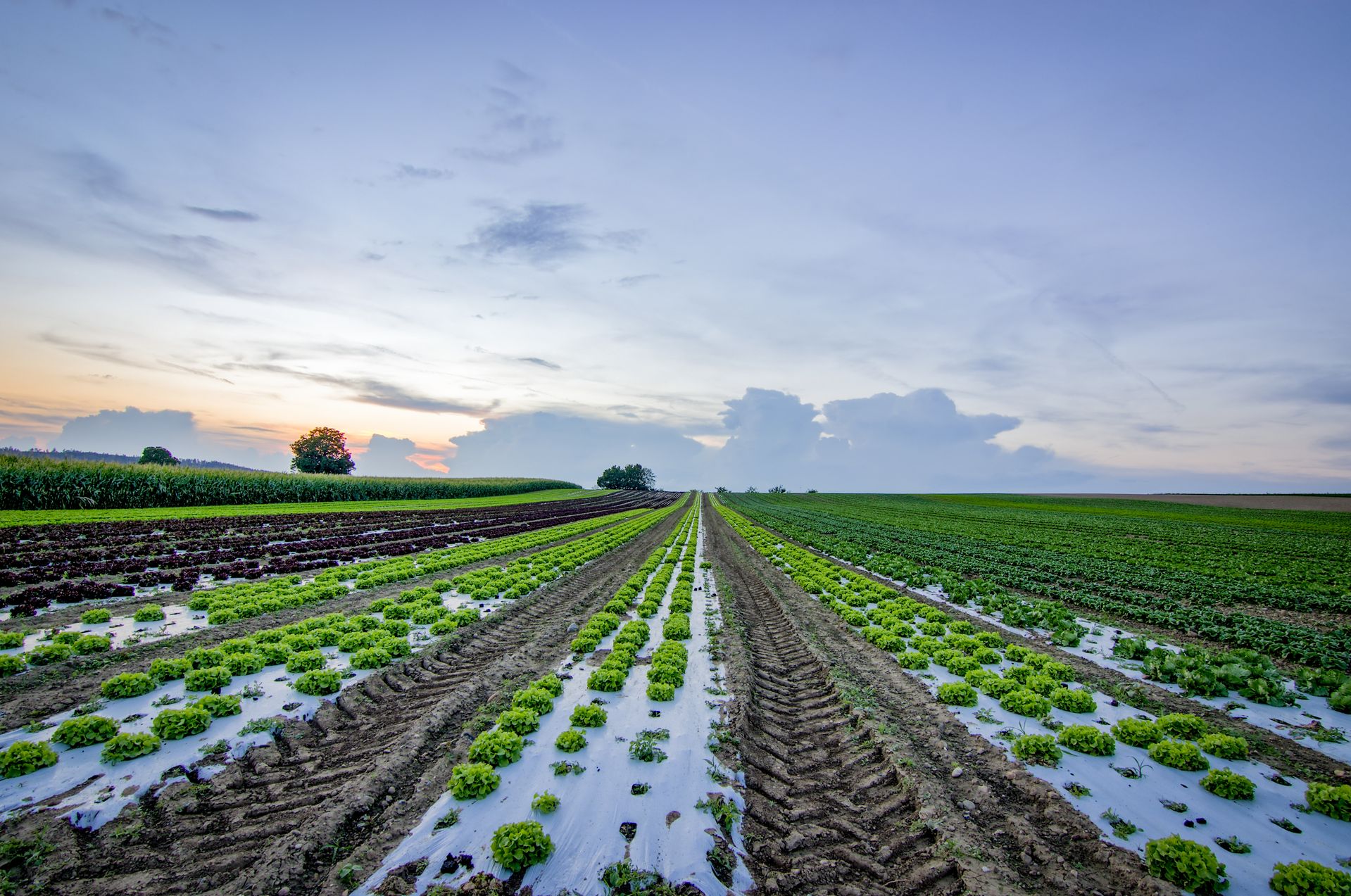
Water often moves quickly downhill on sloping land. This movement can carry soil away. Contour farming involves planting and working the land across the slope rather than directly up and down it. This can slow water flow and give more water time to enter the soil.
This method can work especially well on sloped farmland. Farmers should adapt the approach to the shape and size of the field.
Build Terraces On Steep Land
Terraces divide steep slopes into smaller levels. These levels slow water and reduce the speed at which it moves downhill. They can therefore help limit soil loss on suitable farmland.
However, terraces require careful planning and construction. Poorly designed terraces can create new drainage problems. Farmers should consider local soil, rainfall, slope, and water flow before using this method.
Reduce Excessive Tillage
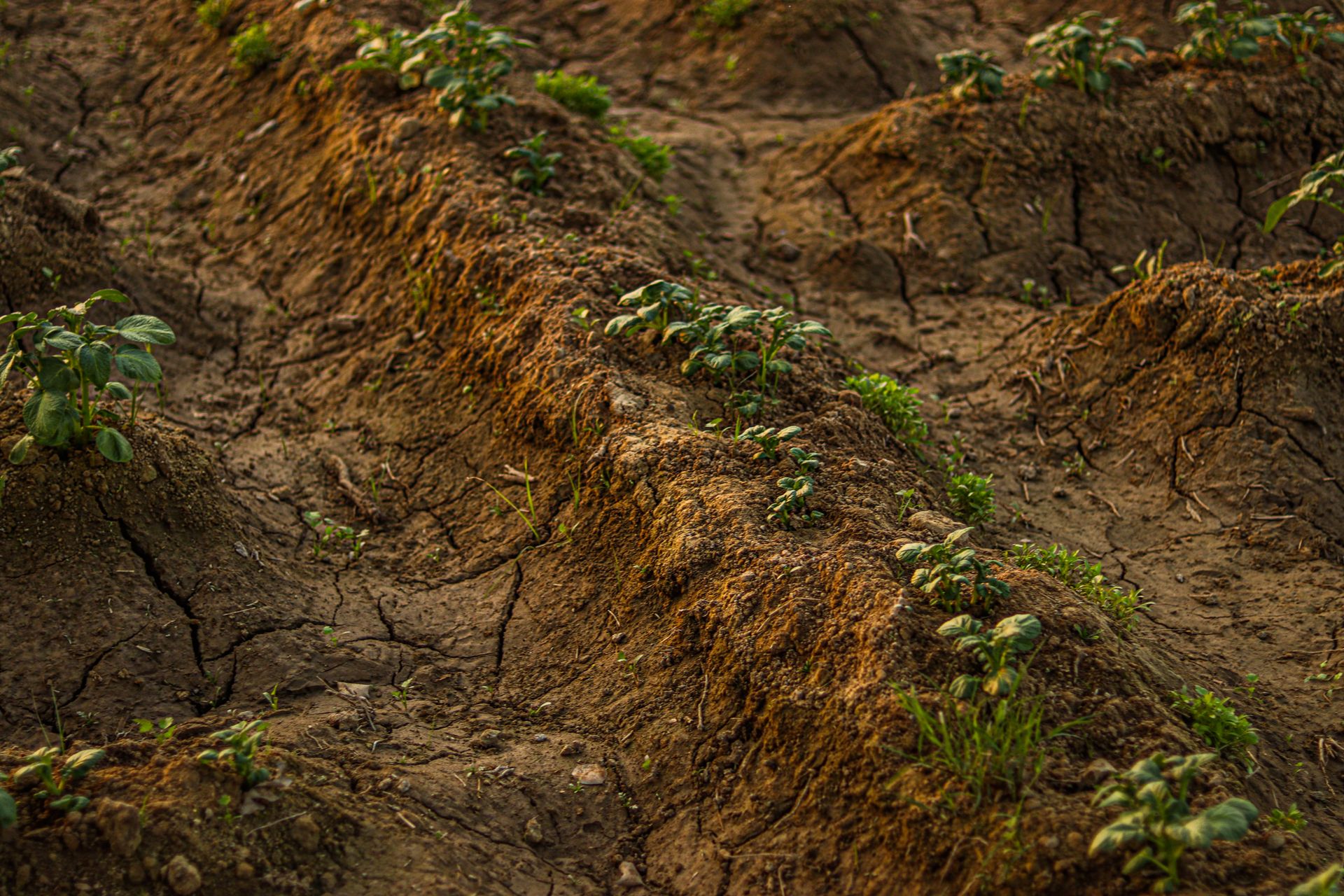
Frequent or deep tillage can disturb soil structure. It can also leave large areas of bare soil after planting. Reduced tillage or no-till farming can help keep soil structure intact and leave more plant material on the surface.
Farmers can combine reduced tillage with cover crops and crop rotation. Together, these practices can provide stronger protection than using one method alone.
Manage Water Carefully
Good water management is important for protecting soil. Heavy runoff can remove large amounts of fertile topsoil. Farmers can use grass strips, drainage channels, and vegetation near waterways to slow water movement.
It is also important to avoid directing large amounts of water onto exposed soil. Where possible, water should enter the ground slowly rather than rush across the surface.
Protect Soil With Good Farming Habits
Small changes can make a meaningful difference. Farmers and gardeners can combine several methods based on their land and needs.
-
Keep soil covered between crops.
-
Add suitable organic matter.
-
Avoid unnecessary soil disturbance.
-
Plant vegetation on exposed slopes.
-
Maintain grass near waterways.
-
Rotate different crops.
-
Watch for areas where water collects or flows quickly.
-
Repair damaged areas before erosion becomes worse.
Conclusion
Sustainable soil protection starts with keeping the ground covered and reducing fast water movement. Cover crops, mulch, crop rotation, trees, contour farming, terraces, and reduced tillage can all help. The best approach depends on the land, climate, soil type, and farming system. By using suitable methods together, farmers can reduce soil loss, protect fertile land, and support productive fields for many years.