Farm life is often shown as peaceful mornings, green fields, and fresh food, but there is much more work behind the scenes. What daily life on farms looks like can change from one farm to another, depending on the crops, animals, weather, season, and size of the operation. Farmers may start work early and continue until important tasks are complete. Their days can include feeding animals, checking crops, repairing equipment, managing workers, preparing orders, and planning future activities. Although farm work can be physically demanding, it can also be rewarding for people who enjoy working outdoors and producing food.

Early Mornings On The Farm
Many farmers begin their day early. The first tasks often involve checking the condition of the farm and making sure animals have what they need.
On livestock farms, farmers may feed animals, provide clean water, check for signs of illness, and clean areas, which can be useful because temperatures are often cooler. It also gives farmers more time to complete important tasks before the hottest part of the day. On crop farms, they may inspect fields, check irrigation systems, and look for pests or damaged plants.
Starting early can be useful because temperatures are often cooler. It also gives farmers more time to complete important tasks before the hottest part of the day.
Caring For Crops
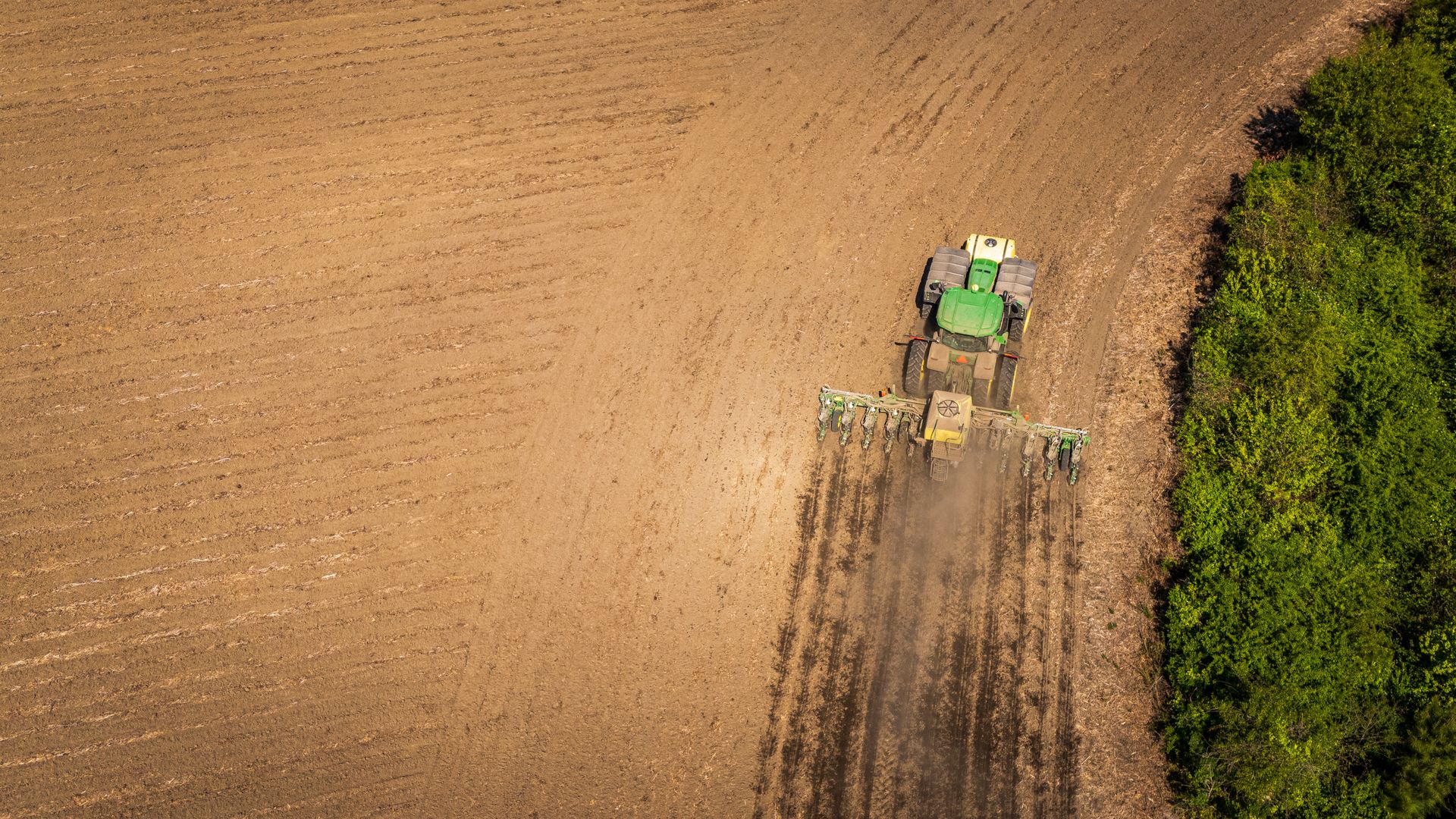
Crop care changes with the season. During planting periods, farmers may prepare soil, plant seeds, apply suitable nutrients, and organize irrigation.
Once crops begin growing, daily work can include:
-
Checking plant health
-
Removing weeds
-
Managing irrigation
-
Looking for pests
-
Monitoring diseases
-
Repairing fences
-
Protecting young plants
Farmers must pay close attention because small problems can become serious if they are ignored.
Harvest Season Brings More Work
Harvest time can be one of the busiest periods on a farm. Farmers must collect crops when they are ready and handle them carefully to prevent damage.
The work may also include sorting, cleaning, grading, packing, storing, and transporting produce. If a farm sells directly to customers, farmers may also spend time preparing orders and communicating with buyers.
Looking After Farm Animals
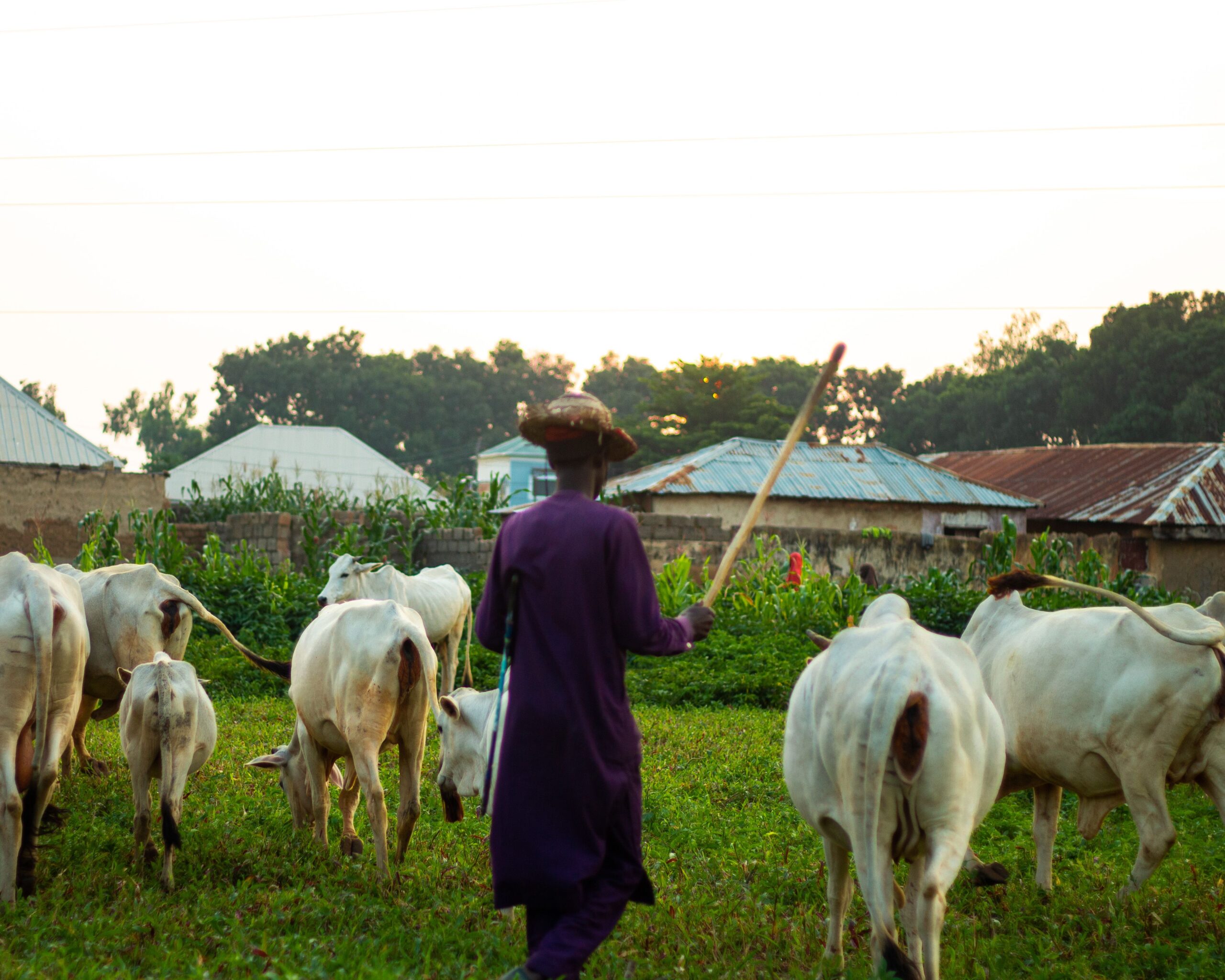
Livestock farming involves regular care. Animals need food, clean water, shelter, and proper health management.
Farmers may feed cattle, goats, sheep, pigs, chickens, or other animals according to their needs. They also inspect animals for injuries or unusual behavior.
Some days may involve additional tasks, such as helping with births, moving animals, cleaning shelters, or arranging veterinary care.
Farm Maintenance Is Important
Farmers do not only work with plants and animals. They also maintain the systems that keep the farm running.
Equipment may need cleaning, repairs, or regular servicing. Fences can break, water pipes can leak, and storage areas may need attention.
Small repairs can prevent larger problems later. For this reason, farmers often need practical skills in addition to agricultural knowledge.
Managing Weather Challenges
Weather can change farm plans quickly. Heavy rain can delay fieldwork, while drought can increase irrigation needs. Strong winds, heat, frost, or storms can also damage crops and structures.
Farmers need to watch weather conditions and adjust their activities when necessary. Planning ahead can reduce some risks, but farming always involves a level of uncertainty.
Managing The Farm Business
Modern farming involves more than physical work. Farmers also need to make business decisions.
They may spend part of the day checking expenses, ordering supplies, speaking with customers, planning production, or reviewing sales.
Keeping good records can help farmers understand their costs and decide which crops or livestock activities are performing well.
Family And Community Life
On many farms, family members may share daily responsibilities. Children and adults can have different roles depending on their age and experience.
Farming can also bring people together through local markets, farmer groups, community projects, and shared agricultural activities. These relationships can provide valuable support, especially during difficult seasons.
The Rewards And Challenges
Farm life has both difficult and rewarding moments. Long hours, physical work, changing weather, unexpected expenses, and crop losses can create stress.
However, many farmers enjoy working outdoors, caring for animals, growing food, and seeing the results of their work. There can be a strong sense of achievement when a healthy crop is harvested or a farm business reaches an important goal.
Conclusion
Understanding what daily life on farms looks like gives a clearer picture of the work involved in producing food. Farmers may spend their days caring for crops and animals, maintaining equipment, managing weather challenges, serving customers, and handling business tasks. Every season brings different responsibilities, so no two days are exactly the same. Farm life can be demanding, but for many people, the connection to the land and the satisfaction of producing useful products make the work worthwhile.