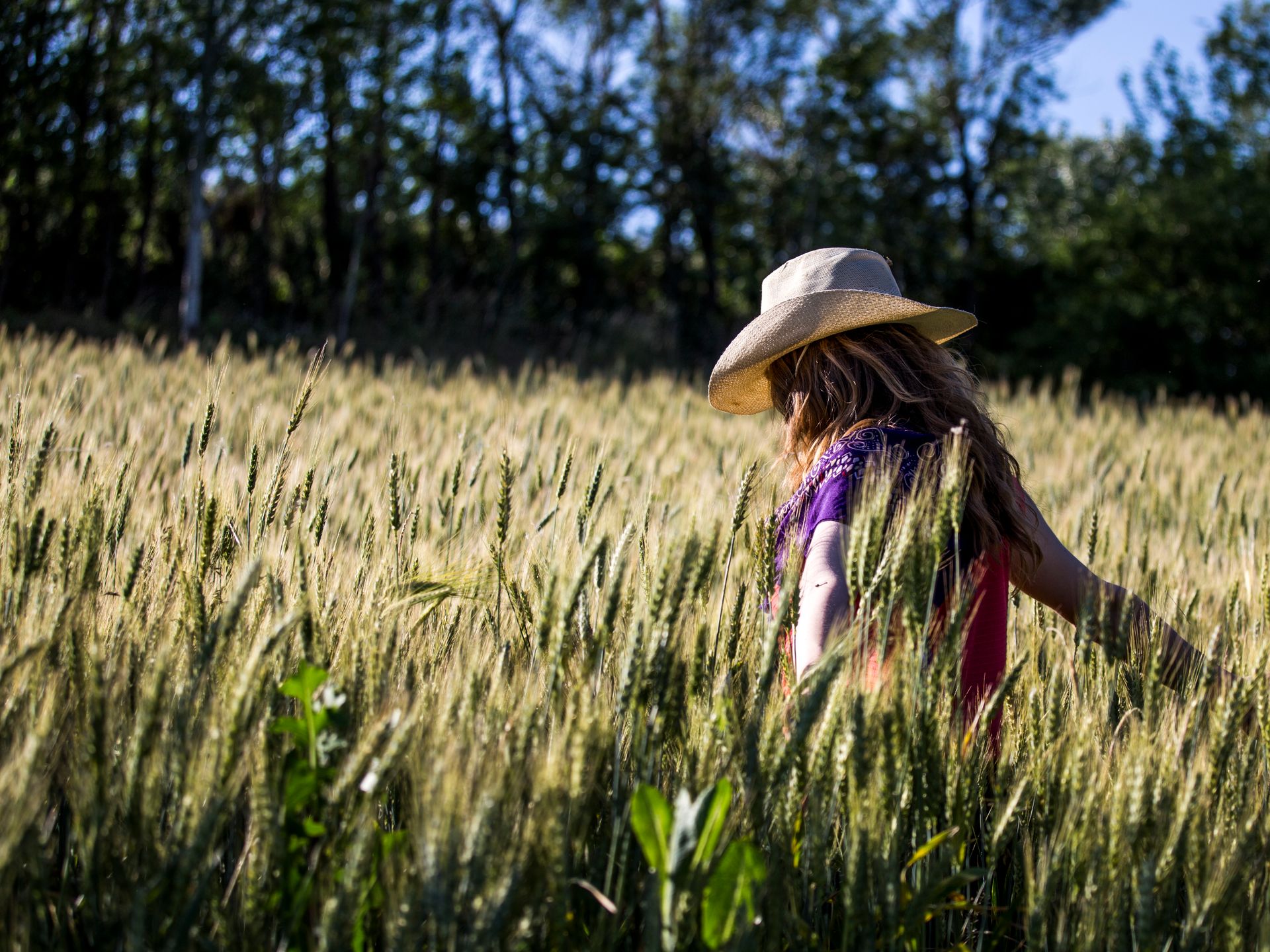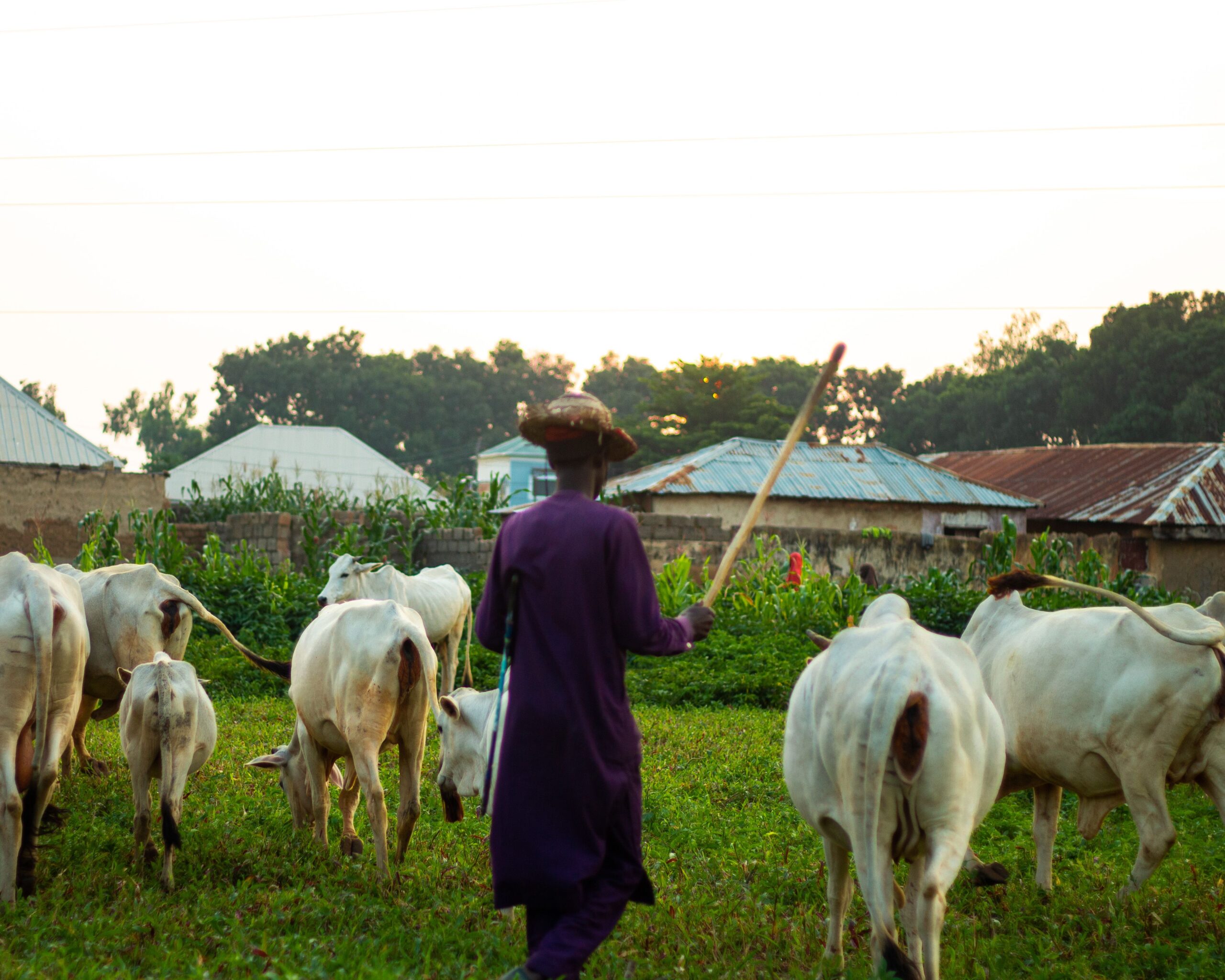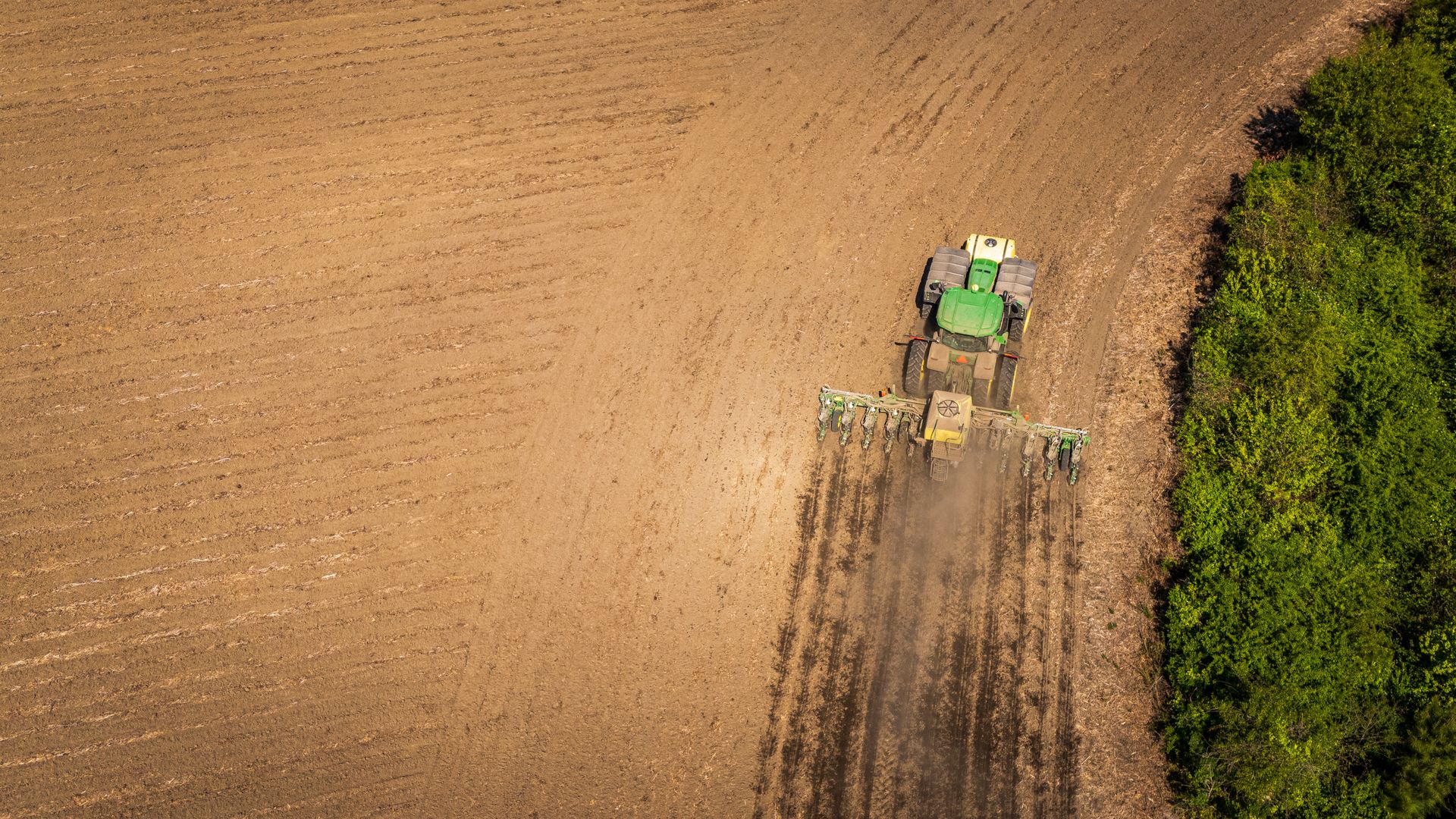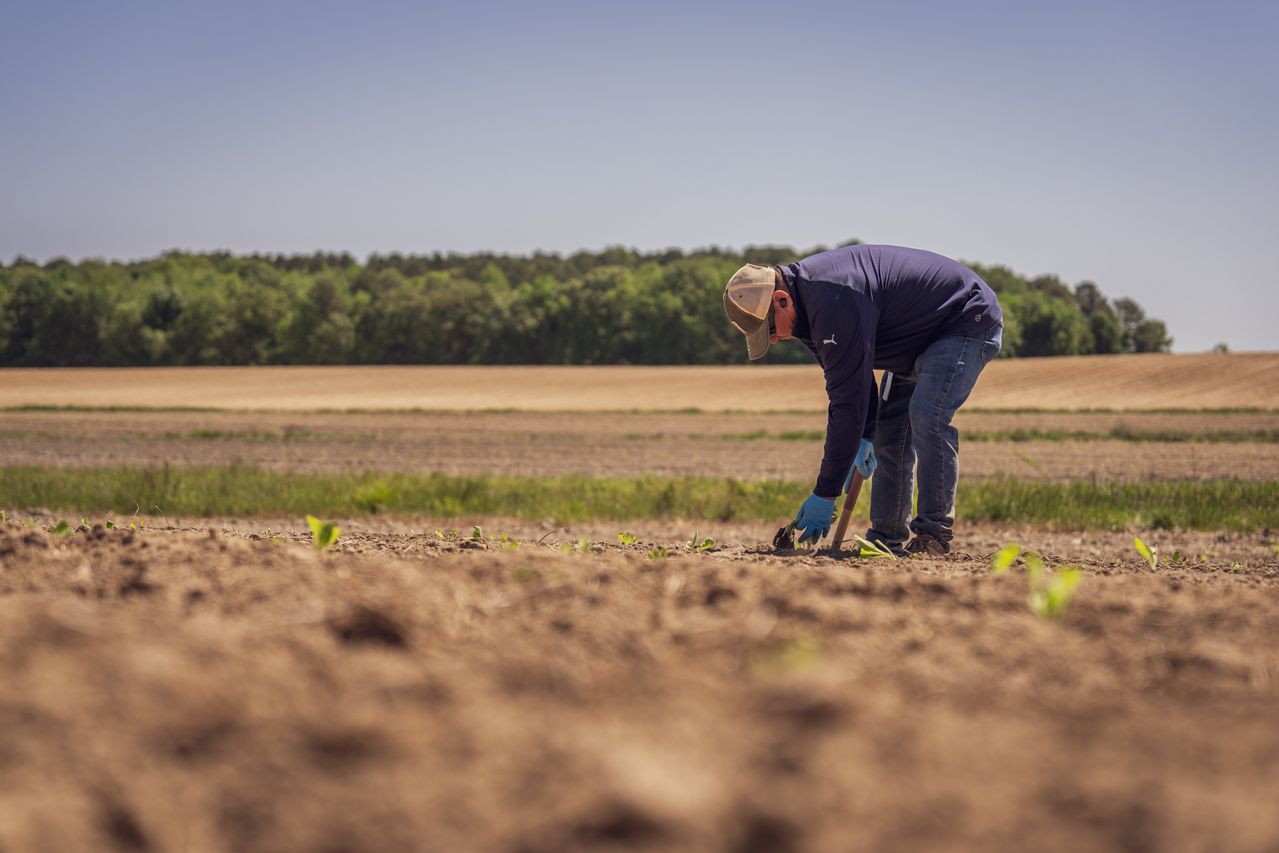
Living on a farm can offer a lifestyle that feels very different from living in a town or city. Instead of following only a fixed work schedule, daily life often revolves around weather, animals, crops, seasons, and the needs of the land.
Farm life can provide greater access to open space, fresh food, practical skills, and a close connection with nature. However, it also requires hard work, patience, planning, and the ability to handle unexpected problems.
Understanding what it’s really like to live on a farm means looking beyond the peaceful scenery and recognizing both the rewards and responsibilities that come with rural living.
Mornings Start Early
Farm life often begins earlier than many people expect.
Animals may need food and water, crops may require attention, and certain jobs are easier to complete before the heat of the day.
A typical morning might include checking livestock, collecting eggs, inspecting crops, feeding animals, or preparing equipment.
Even when there is no urgent task, farmers often use the morning to assess what needs to be done throughout the day.
The Weather Shapes Your Schedule
One of the biggest differences between farm life and many other lifestyles is the influence of weather.
Rain can delay planting, harvesting, construction, or machinery work. On the other hand, dry weather may increase the need for irrigation and livestock management.
Extreme heat, strong winds, storms, and unexpected temperature changes can also affect daily plans.
As a result, people who live on farms learn to remain flexible.
A carefully planned schedule may need to change within minutes when weather conditions shift.
There Is Always Something to Do
Farm work rarely stays completely finished.
Fences need inspection, tools require maintenance, animals need care, weeds grow, equipment needs cleaning, and buildings require repairs.
During planting and harvest seasons, the workload can increase significantly.
Even when the main agricultural work slows down, farmers can use the time for planning, maintenance, soil improvement, storage organization, and preparation for the next season.
This constant cycle can feel demanding, but it can also provide a strong sense of purpose.
You Become More Connected to Nature
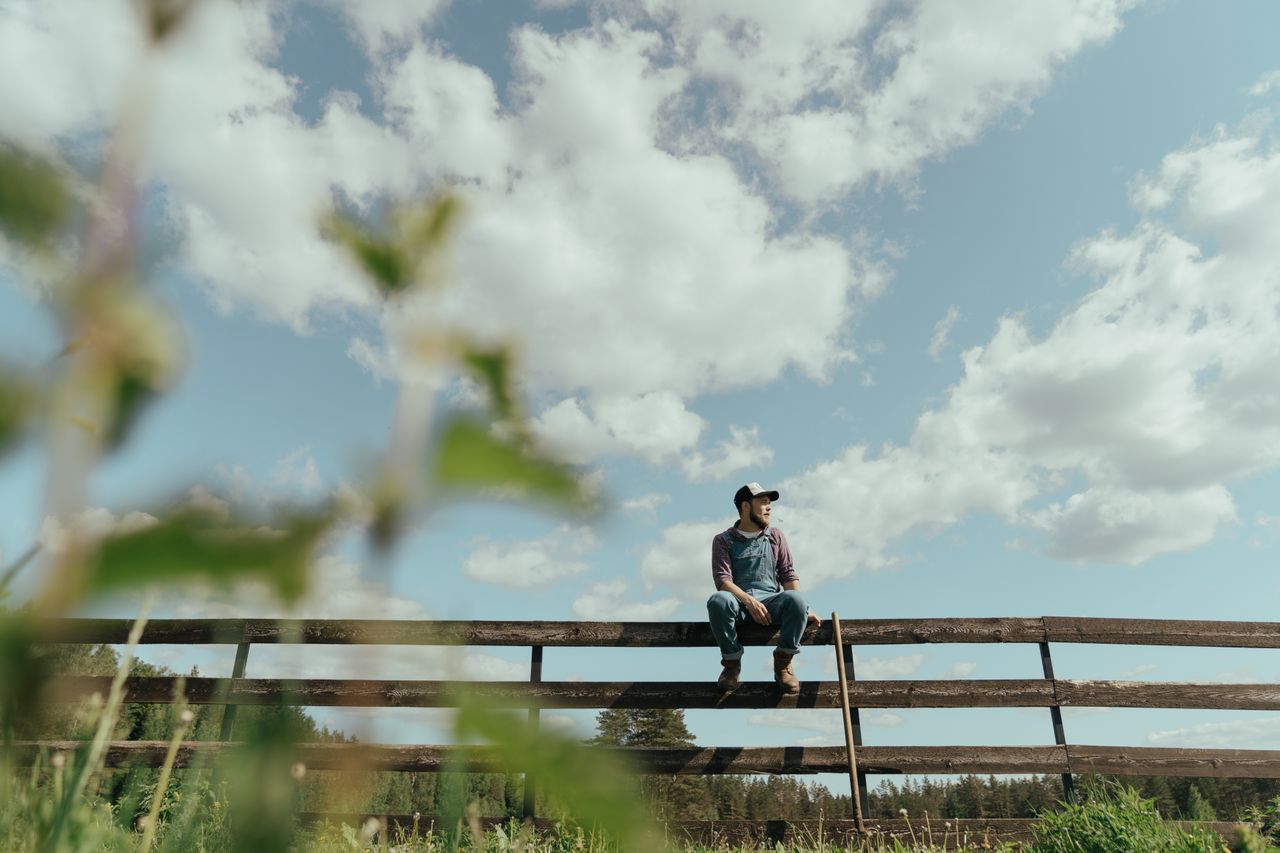
Living on a farm provides regular contact with the natural world.
You notice changes in seasons, rainfall, soil conditions, animal behavior, plant growth, and wildlife.
Instead of simply checking the weather forecast, you may begin to observe how clouds, wind, soil moisture, and temperature affect your land.
This close connection can make people more aware of how natural systems influence everyday life.
Fresh Food Can Become Part of Everyday Life
One of the appealing aspects of farm living is the potential to produce some of your own food.
Depending on the farm, residents may grow vegetables, fruits, herbs, or grains.
Some farms also keep chickens or other livestock for eggs, milk, or meat.
Having access to fresh food can encourage people to cook more often and reduce the distance between food production and the kitchen.
However, growing or raising food requires planning, labor, and knowledge.
Farm Animals Require Commitment
Keeping livestock can be rewarding, but animals cannot simply be ignored when life becomes busy.
They need appropriate food, clean water, suitable shelter, secure fencing, and proper care.
Farm residents must also watch for signs of illness, injury, or unusual behavior.
Some animals require attention every day, including weekends and holidays.
Therefore, anyone considering farm life should understand that livestock ownership creates a long-term responsibility.
You Learn Practical Skills
Farm living often encourages people to develop skills they might not use in an urban environment.
You may learn basic gardening, animal care, equipment maintenance, food preservation, fencing, carpentry, composting, and other practical tasks.
You do not need to master everything immediately.
Instead, farm life gives you regular opportunities to learn by doing and improve through experience.
Repairs Become Part of Life
On a farm, equipment and buildings experience constant use and exposure to the elements.
Fences can break, irrigation systems can leak, gates can need adjustment, and tools can wear out.
Learning basic maintenance can save time and money.
However, some jobs require qualified professionals, particularly complex electrical, gas, structural, or mechanical work.
Knowing when to repair something yourself and when to seek professional help is an important farm skill.
Farm Life Can Be Physically Demanding
Many farm tasks require walking, lifting, bending, digging, carrying, or operating equipment.
During busy periods, working days can become long.
Physical fitness can help, but proper equipment, safe working practices, hydration, rest, and sensible planning are equally important.
Farmers should avoid treating exhaustion as a sign of productivity.
Working safely helps prevent injuries that could affect both the individual and the farm.
Rural Life Can Feel Peaceful
Despite the hard work, farm life can offer moments of genuine calm.
You may wake up to birdsong, watch a sunrise over the fields, or spend an evening outside without the noise and traffic common in urban areas.
Open space and natural surroundings can create a strong sense of privacy and connection to the land.
However, the level of peace and isolation varies greatly between farms.
Isolation Can Be a Challenge
Some farms are located far from shops, schools, healthcare facilities, entertainment, and other services.
Traveling to town may take considerable time.
Internet and mobile connectivity can also vary depending on location and infrastructure.
For some people, this distance provides welcome privacy. For others, it can feel isolating.
Before moving to a rural property, consider how much access you need to services, social activities, work, and community connections.
Farm Life Requires Planning
Living on a farm often rewards people who plan ahead.
You may need to stock animal feed, organize tools, maintain water supplies, prepare for bad weather, and schedule seasonal work.
Food preservation and storage can also become important, particularly if you produce more food during certain parts of the year.
Good planning reduces the likelihood of being caught unprepared when something unexpected happens.
The Financial Reality Matters
Farm life is not automatically cheaper than urban living.
Land, equipment, animal feed, seeds, fertilizer, repairs, fuel, electricity, water systems, and property maintenance can all create expenses.
Before starting a farm, create a realistic budget.
Consider both regular expenses and unexpected costs.
A small farm can reduce some household expenses through food production, but it can also require significant investment.
Family and Community Can Play an Important Role
Many farms depend on cooperation between family members, employees, neighbors, and local communities.
People may exchange knowledge, equipment, labor, produce, or services.
Strong relationships can become especially valuable during planting, harvesting, emergencies, or equipment problems.
Rural communities can offer practical support that makes farm life more manageable.
The Rewards Can Be Meaningful
Farm living can provide a strong sense of independence and accomplishment.
You can see the direct results of your work, from a planted field to a harvested crop or a healthy animal.
You may also develop a deeper appreciation for food and the effort required to produce it.
For many people, the connection between work, land, food, and family makes the challenges worthwhile.
Final Thoughts
Understanding what it’s really like to live on a farm requires looking at both sides of rural life.
Farm living can offer fresh food, open space, practical skills, meaningful work, and a closer connection with nature. At the same time, it requires daily responsibility, physical effort, financial planning, flexibility, and patience.
Farm life is not simply a peaceful escape from the city. It is a lifestyle built around responsibility and constant interaction with the land.
For people who enjoy working outdoors, learning practical skills, and accepting the unpredictability of nature, living on a farm can be a deeply rewarding experience.