Good agricultural training can help farmers improve their skills, avoid costly mistakes, and increase farm production. However, finding the right training can be difficult, especially for beginners who do not know where to start. In this article, we discuss where farmers can find agricultural training and what to consider when choosing a useful program. Training can cover many areas, including crop production, livestock care, irrigation, soil management, farm business planning, and marketing. The right course should match your farming goals and provide knowledge that you can apply in real farm conditions.
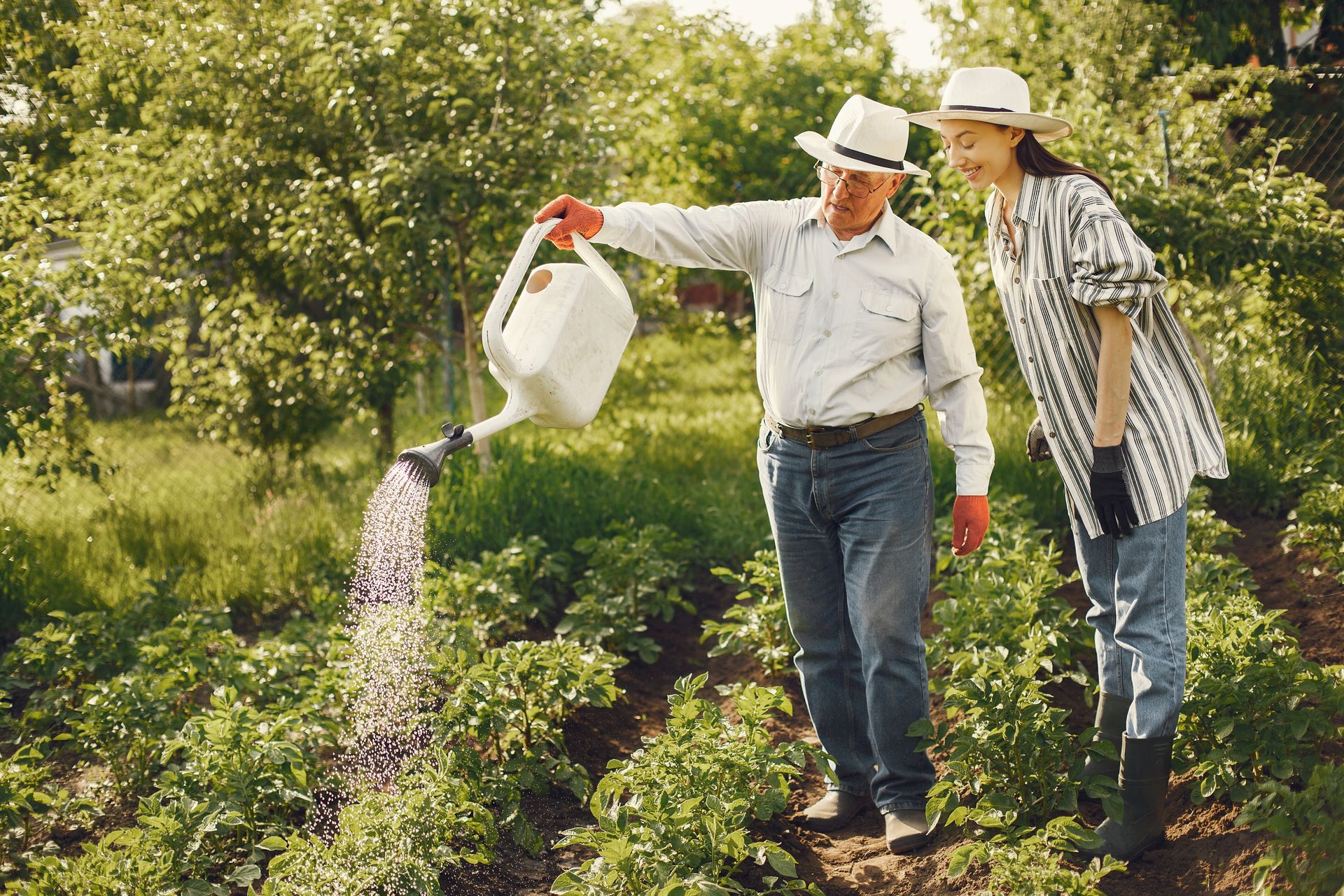
Look For Local Agricultural Extension Services
Agricultural extension services are often a useful starting point for farmers. Extension officers can provide practical advice about crops, livestock, soil, pests, diseases, and farm management.
They may also organize workshops, demonstrations, field visits, and farmer meetings. These activities can help farmers learn from both professionals and other people in their area.
Ask your local agricultural office about upcoming training programs. Some services may also provide information about improved seeds, farming methods, market opportunities, and government programs.
Join Farmer Training Workshops
Farmer workshops can provide practical lessons on specific topics. For example, a workshop may focus on vegetable production, irrigation, composting, livestock feeding, or pest management.
These sessions can be especially useful because participants can ask questions and discuss real problems. Some workshops may also include demonstrations that show how a method works.
Choose Training That Matches Your Needs
Before joining a program, think about what you want to learn. You may need training in:
-
Crop production
-
Livestock management
-
Soil health
-
Irrigation
-
Pest control
-
Farm budgeting
-
Food processing
-
Agricultural marketing
Choosing a specific topic can help you avoid spending time on information that does not apply to your farm.
Explore Agricultural Colleges
Agricultural colleges and training institutions can provide structured education for farmers. Some offer long courses, while others provide short programs designed for people who are already farming.
These programs may cover crop science, animal production, agricultural economics, farm management, and other subjects.
If you are considering formal training, check the course length, costs, entry requirements, practical work, and certification before enrolling.
Use Online Agricultural Courses
The internet has made agricultural education easier to access. Farmers can find courses, videos, guides, webinars, and training materials online.
Online learning can be useful when travel is difficult or when a farmer wants to study at their own pace. However, choose information carefully. Make sure the source is credible and that the advice is suitable for your local climate and farming conditions.
Look for courses provided by agricultural institutions, universities, recognized organizations, and experienced professionals.
Learn Through Farmer Groups
Farmer groups can provide valuable opportunities to learn from people who face similar challenges. Members can share experiences about seeds, markets, equipment, pests, livestock, and production methods.
Some groups also invite agricultural specialists to speak with members. Others organize farm visits where farmers can see different techniques in practice.
Learning from other farmers can be especially useful because the information is often based on local experience.
Attend Agricultural Field Days
Field days allow farmers to see farming techniques in real conditions. A demonstration may show how a new crop variety performs, how an irrigation system works, or how a particular soil management method is applied.
Seeing a technique can make it easier to understand than reading about it. Farmers can also ask questions and compare different approaches before deciding what to use.
Ask Questions During Training
Do not be afraid to ask questions during agricultural training. Explain your farm conditions clearly, including your soil, water supply, crops, livestock, and major challenges.
Specific questions often produce more useful answers than general ones. If possible, take notes and record important recommendations so you can review them later.
Check Training Costs And Practical Value
Not every expensive course provides better training. Compare programs based on the knowledge and practical skills they offer.
Consider:
-
Course fees
-
Travel expenses
-
Training duration
-
Instructor experience
-
Practical demonstrations
-
Course materials
-
Certification
-
Follow-up support
A short practical course may sometimes be more useful than a long program that focuses mainly on theory.
Keep Learning After Training
Agriculture changes over time. New varieties, technologies, pest management methods, and market opportunities continue to develop.
After completing a course, continue learning through farmer groups, agricultural publications, field demonstrations, and trusted online resources. Apply new ideas on a small area first when possible. This allows you to test whether a method works under your conditions before using it across the entire farm.
Conclusion
Knowing where farmers can find agricultural training makes it easier to build useful farming skills. Local extension services, workshops, agricultural colleges, online courses, farmer groups, and field days can all provide valuable learning opportunities. Choose training that matches your goals and local conditions. Most importantly, focus on practical knowledge that you can apply on your farm. Continuous learning can help farmers make better decisions, reduce losses, improve production, and build stronger agricultural businesses.