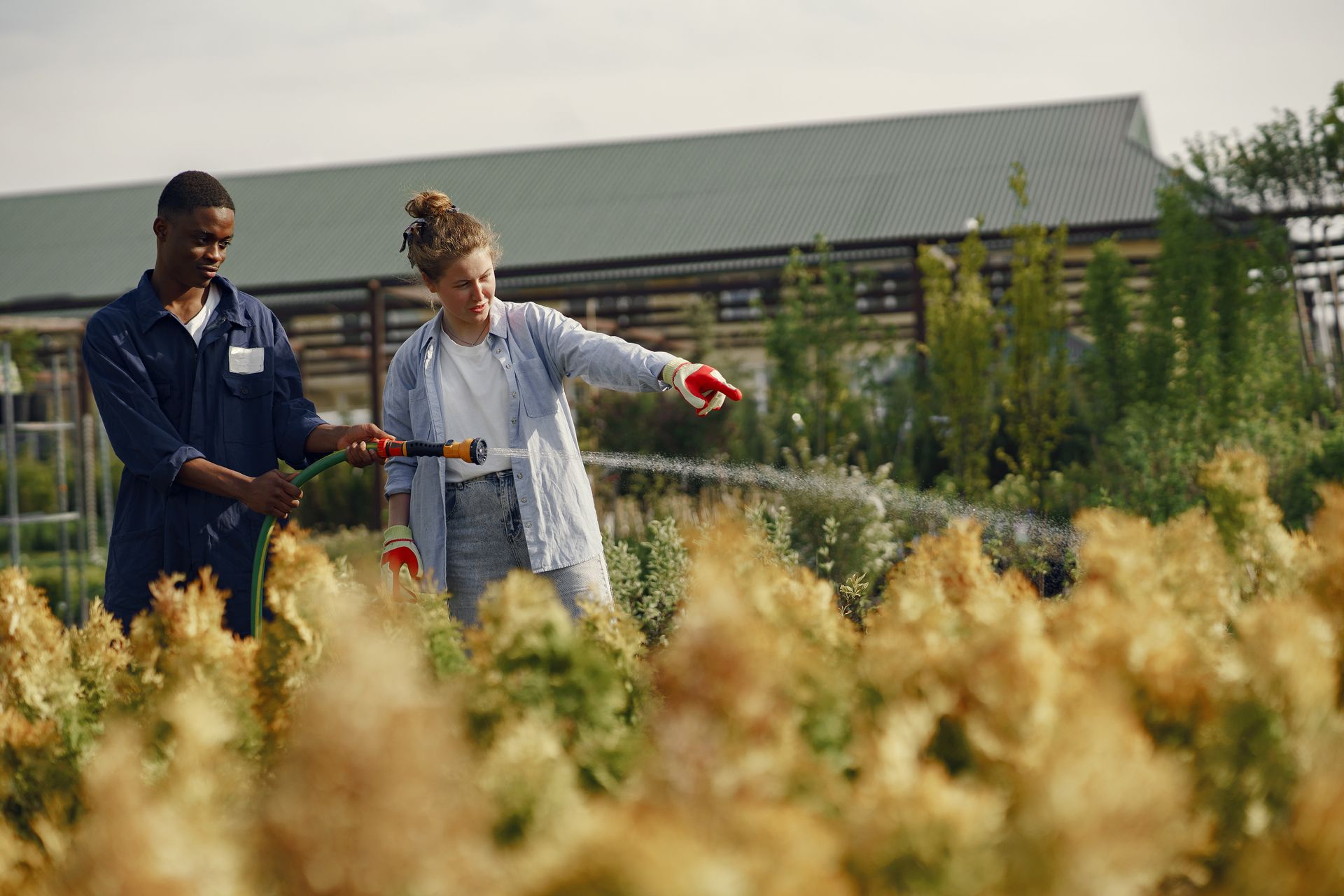
Farmers need practical knowledge to grow food while protecting soil, water, and natural resources. Sustainable farming methods can help farmers reduce waste, improve soil, save water, and manage pests more safely. In this article, we discuss where farmers learn sustainable agriculture techniques and how they can find useful information. Farmers can learn through training programs, farm groups, demonstration fields, online courses, and direct advice from agricultural experts. The best learning method often depends on local needs and available resources.
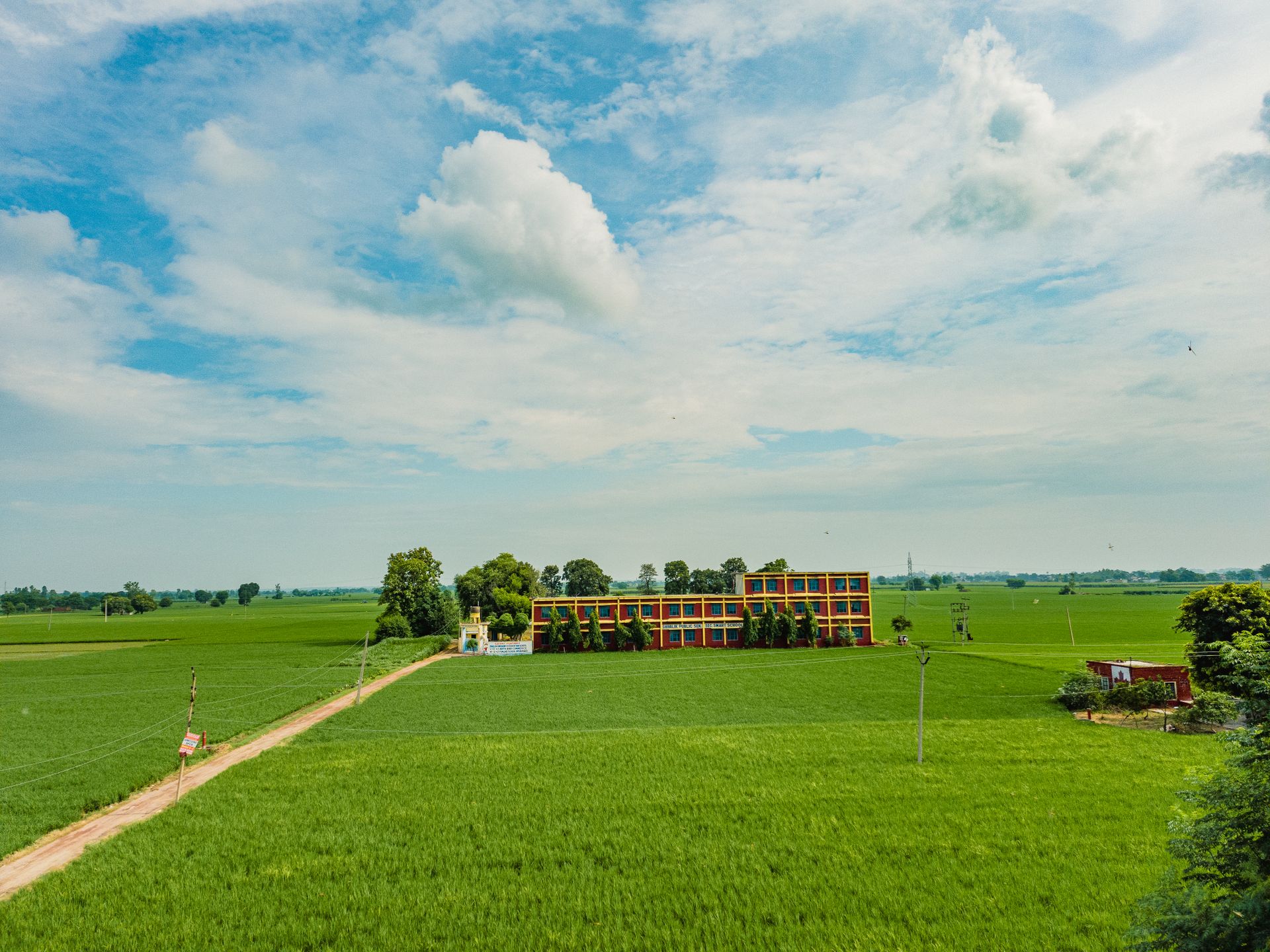
Where Farmers Find Practical Sustainable Agriculture Training
Farmers can learn in many different places. Some programs offer classroom lessons, while others focus on hands-on work. Practical learning can be especially useful because farmers can see how a method works before using it on their own land.
Agricultural Extension Services
Agricultural extension services are an important source of farm education. Extension officers can provide advice about crops, soil, pests, water, and farm planning. They may also organize workshops and field demonstrations.
Farmers can ask extension workers about methods that suit their local conditions. This is useful because farming practices that work well in one region may not work in another.
Farmer Training Centers
Many areas have agricultural training centers that provide short courses and practical lessons. These centers may teach topics such as composting, crop rotation, irrigation, livestock care, and soil protection.
Hands-on training can help farmers understand new methods more clearly. Farmers can also ask questions and learn from other people attending the same program.
Demonstration Farms
A demonstration farm shows sustainable methods in real conditions. Farmers can visit these farms and see how different techniques work.
For example, a demonstration farm may show:
-
Cover crop planting.
-
Compost production.
-
Water-saving irrigation.
-
Crop rotation.
-
Natural pest management.
-
Soil conservation.
-
Agroforestry systems.
Seeing these methods in practice can make new ideas easier to understand.
Farmer Cooperatives And Groups
Farmer groups can provide a useful place for sharing knowledge. Farmers can discuss problems, compare results, and exchange practical ideas.
A farmer who has successfully used a new method can explain what worked and what did not. This type of local knowledge can be valuable because members often work with similar soil, weather, and crops.
Groups can also invite agricultural experts to provide training. In addition, members may work together to access seeds, equipment, or other resources.
Agricultural Colleges And Universities
Agricultural colleges and universities offer more detailed education. Some programs focus on crop production, soil science, livestock, environmental management, or agricultural technology.
Farmers who want deeper knowledge can attend short courses or longer training programs. Universities may also conduct research and share findings through workshops, publications, and field events.
Online Courses And Educational Websites
The internet has made agricultural information easier to access. Farmers can find videos, guides, online courses, research papers, and practical articles.
However, not every online source provides reliable information. Farmers should check who produced the material and whether the advice matches their local conditions.
It is best to compare information from trusted agricultural organizations, universities, and recognized experts before changing farm practices.
Learn From Other Farmers
Farm visits and farmer-to-farmer learning can provide useful lessons. Farmers can see how another person manages soil, water, crops, livestock, or pests.
This approach also allows farmers to discuss real problems. They can learn about costs, labor needs, possible risks, and results. Such information may be more practical than general advice.
Attend Agricultural Events
Agricultural fairs, field days, workshops, and conferences can introduce farmers to new ideas. These events may include demonstrations of equipment, irrigation systems, crop varieties, and conservation practices.
Farmers can also meet experts and other producers. Taking notes and asking questions can help them decide which ideas are worth testing.
Start With Small Trials
Learning does not end after training. Farmers should test new methods carefully before using them across an entire farm.
A small trial can show whether a technique works under local conditions. Farmers can compare the results with their usual method and keep records.
Useful records can include:
-
Crop growth.
-
Labor requirements.
-
Input costs.
-
Water use.
-
Pest problems.
-
Harvest amounts.
-
Changes in soil condition.
This information can guide future decisions.
Conclusion
Farmers can learn sustainable agriculture techniques through extension services, training centers, demonstration farms, farmer groups, colleges, online resources, and agricultural events. Learning from other farmers can also provide valuable local knowledge. However, farmers should check information carefully and test new methods on a small scale first. By combining expert advice with practical experience, farmers can find sustainable techniques that fit their land, resources, and local conditions.