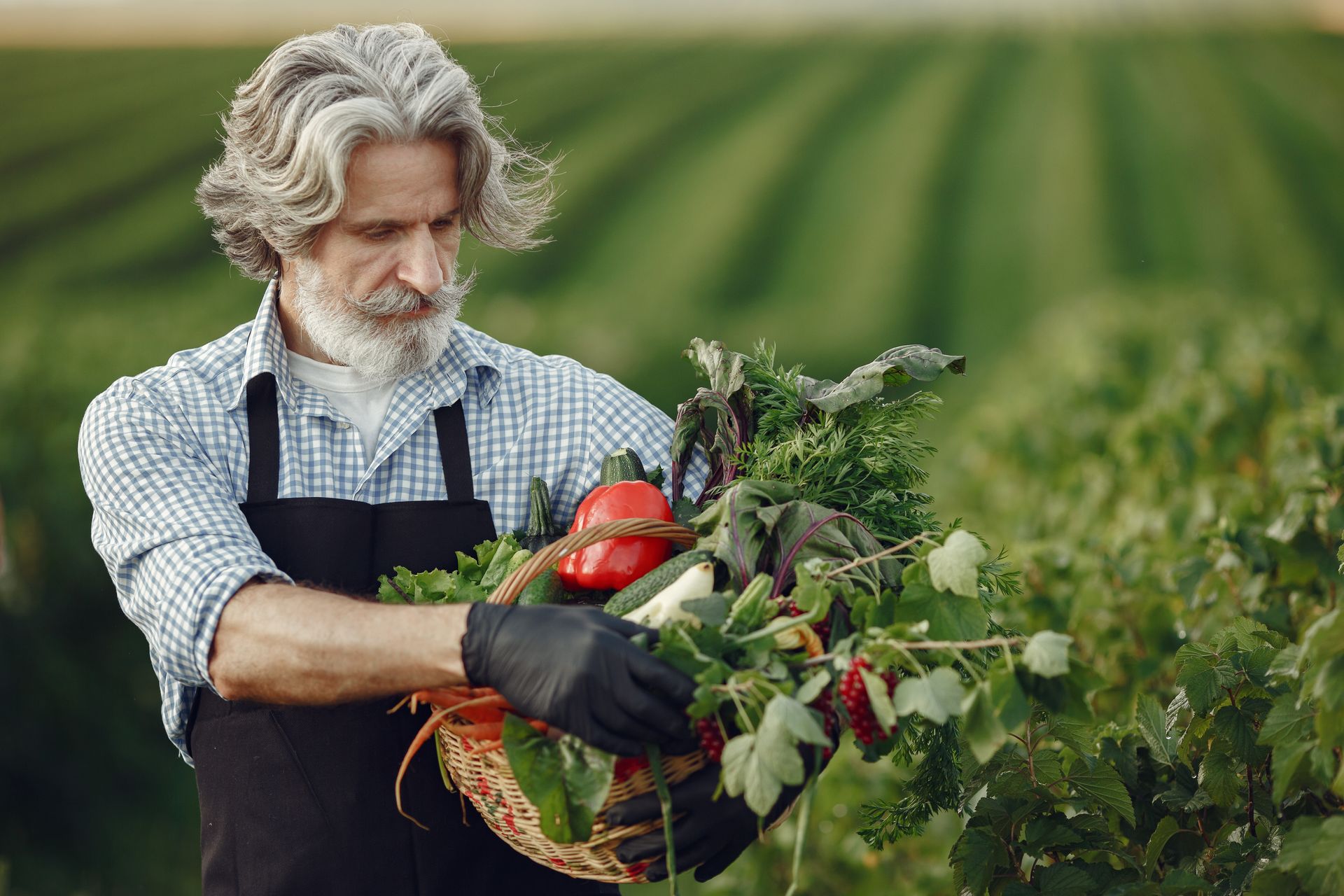
Fresh farm products can make everyday meals more enjoyable, but knowing where to find good-quality food can make shopping easier. Fruits, vegetables, eggs, dairy products, grains, meat, and other farm products may be available through several local sources. In this article, we discuss where to buy fresh farm products and what to consider when choosing a reliable seller. Farmers’ markets, farm shops, local stores, community groups, and direct farm sales can all provide useful options. By checking product quality, asking questions, and buying suitable amounts, shoppers can find fresh products while supporting local farmers.
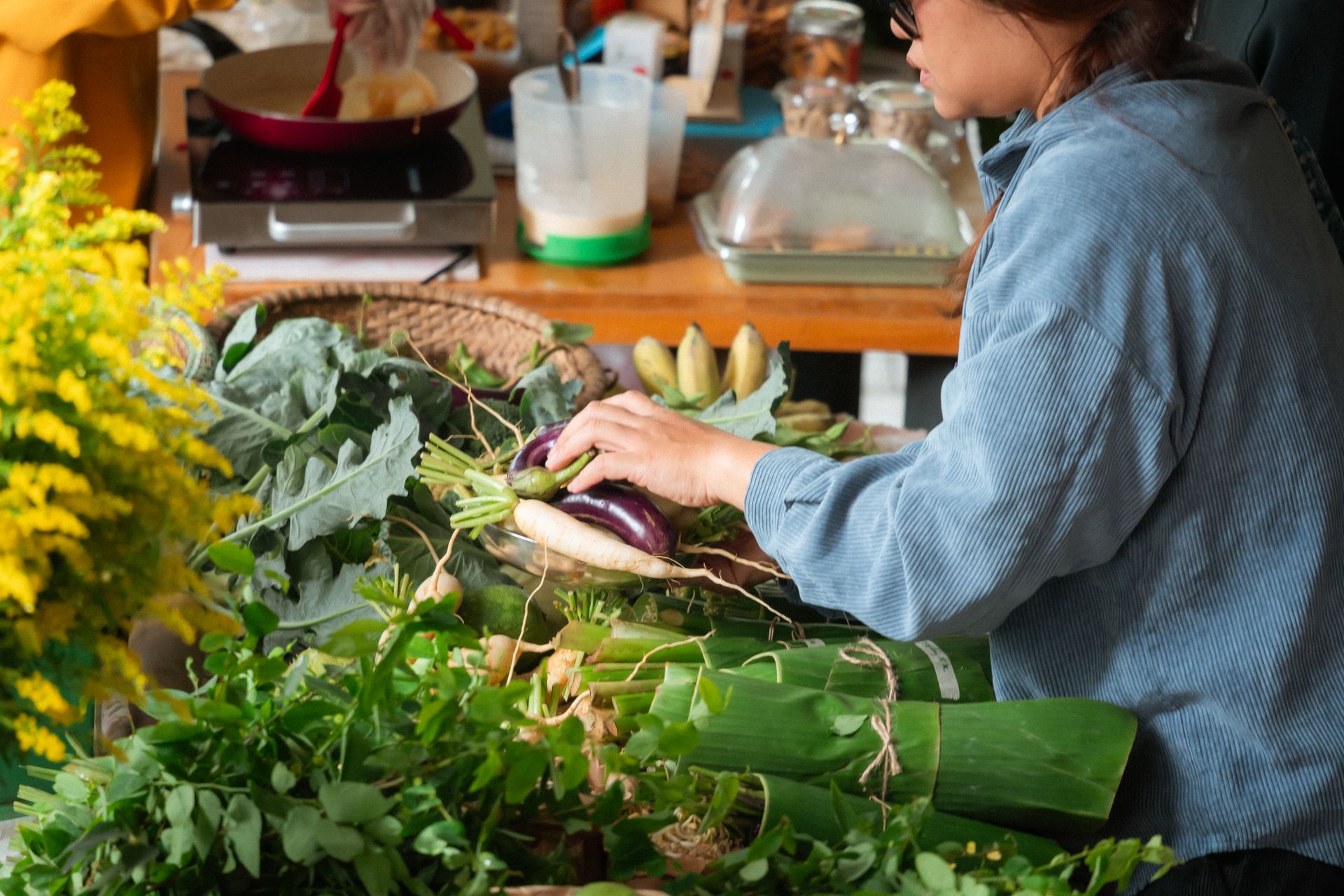
Visit Local Farmers’ Markets
Farmers’ markets are one of the easiest places to look for fresh farm products. Farmers and local food producers may sell their products directly to customers. You can often find seasonal vegetables, fruits, herbs, eggs, grains, and other items in one place. One advantage of shopping at a farmers’ market is the opportunity to speak directly with sellers. You can ask when products were harvested, how they were stored, and which foods are currently in season. This information can help you choose products that match your needs.
Buy Directly From Local Farms
Some farms sell products directly from the farm. This can be a convenient option when the farm is close enough to visit. Direct sales may include fresh vegetables, fruit, eggs, milk, meat, honey, or other products depending on the farm. Buying directly can also help you understand where your food comes from. Before visiting, check the farm’s opening times and available products if that information is provided. Some farms may only sell certain products during particular seasons.
Look For Farm Shops
Farm shops can provide another convenient way to buy local products. Some are located on farms, while others operate in nearby communities. They may sell food produced on the farm as well as products from other local growers. Farm shops can be especially useful when you want fresh products without spending time searching through several different sellers.
Check Community Food Groups
Local community groups can help connect farmers with customers. These groups may operate through community organizations, local notice boards, messaging groups, or other communication channels. Farmers may announce available produce, prices, collection times, and delivery options. Community buying can also make it easier for people to purchase directly from small farms that do not operate permanent shops.
Ask Local Restaurants And Food Businesses
Restaurants and food businesses often work with local farmers to source fresh ingredients. If you are looking for a particular product, asking local businesses where they purchase their ingredients may help you discover nearby suppliers. Farmers who supply restaurants may also sell directly to households or have information about other local producers. Building relationships with trusted local suppliers can make future shopping easier.
Explore Local Grocery Stores
Some grocery stores sell products sourced from nearby farms. Check product labels or ask store staff where particular fruits, vegetables, eggs, or other foods come from. Local products may be available only during certain seasons, so the selection can change throughout the year. Grocery stores can be a useful option when you want convenience while still looking for locally produced food.
Check Product Quality Before Buying
Finding a local seller is only the first step. Always check the quality of the products before purchasing them. Look for fresh colors, suitable firmness, clean packaging, and signs that the food has been stored properly. Avoid products with mold, unusual odors, serious damage, or leaking packages. When buying directly from a farmer, ask how recently the product was harvested or prepared. Simple questions can help you make better choices.
Ask About Storage And Handling
Proper handling can have a major effect on freshness. Ask sellers how products are stored and transported when appropriate. Perishable foods should be kept under suitable conditions to maintain quality and safety. If you are buying products such as dairy, meat, or eggs, pay particular attention to storage and handling requirements. Choose sellers who take food safety seriously and follow applicable local requirements.
Buy Seasonal Products
Seasonal products can be easier to find from local farmers and may offer good freshness and value. Learn which fruits and vegetables grow during different times of the year in your area. Buying seasonal food can also encourage you to try different ingredients throughout the year. Instead of looking for the same products all year, build meals around what local farmers have available.
Build Relationships With Farmers
Regularly buying from the same farmers can create useful relationships. Over time, farmers can learn what products you prefer, while you can learn more about their growing seasons and production methods. You may also hear about new products before they become widely available. Strong customer relationships can benefit both shoppers and farmers by creating trust and reliable business.
Compare Prices And Quantities
Fresh farm products do not always have the same price from one seller to another. Compare prices while also considering quality, quantity, freshness, and convenience. A slightly higher price may provide better value if the product is fresher or lasts longer. Avoid buying more than your household can use because excess food can spoil and create unnecessary waste.
Conclusion
Knowing where to buy fresh farm products can help you find better food while supporting local farmers. Farmers’ markets, farm shops, direct farm sales, community groups, grocery stores, and local food businesses can all provide useful options. Before buying, check product quality, ask about harvest dates and storage, and choose seasonal foods when possible. Building relationships with trusted farmers can also make it easier to find fresh products regularly. With a little planning, you can enjoy quality farm products while contributing to your local food system.