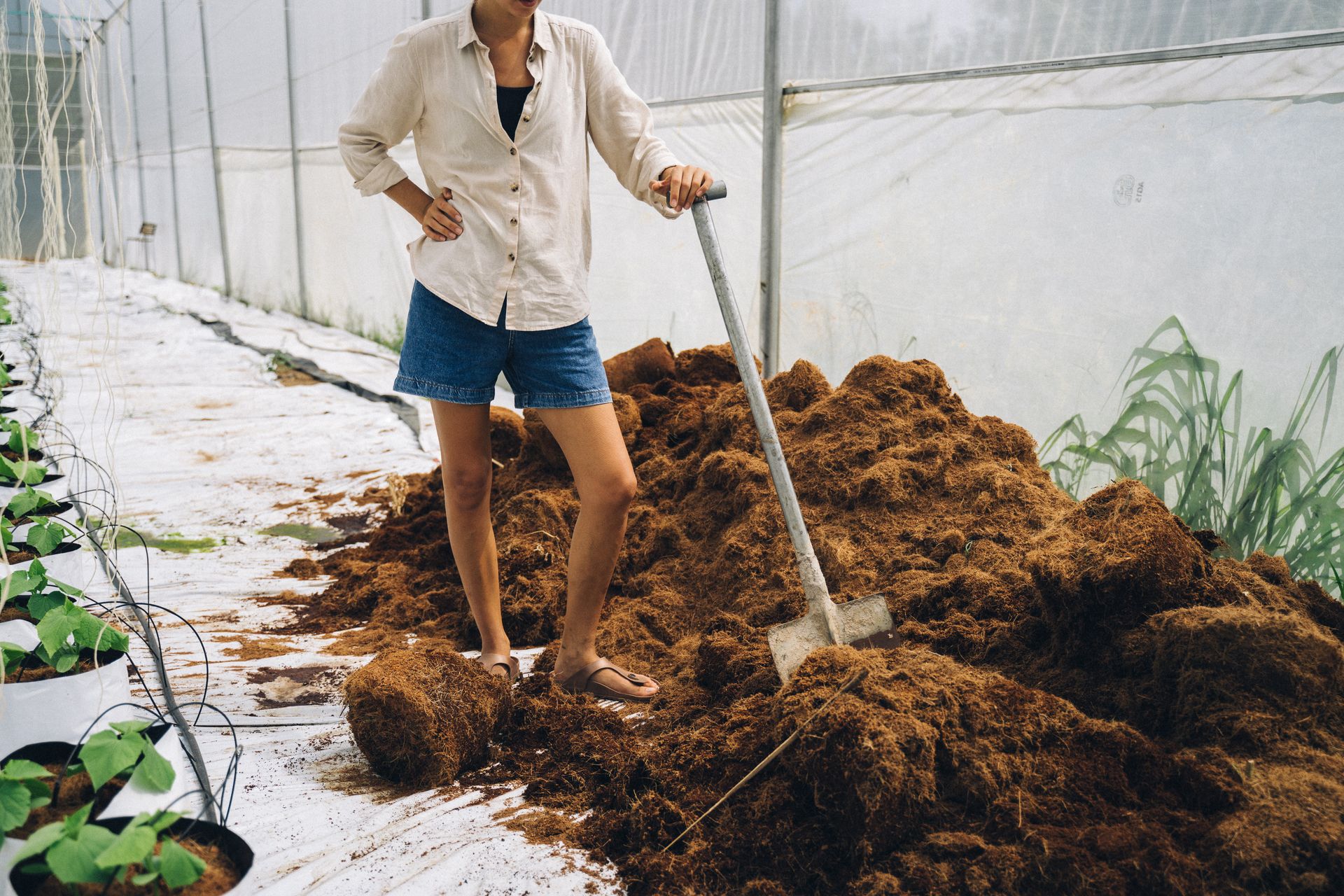
Composting is a simple practice that can turn suitable organic waste into a useful soil amendment. Farmers can compost materials such as crop residues, leaves, grass, and other appropriate organic matter instead of sending them to waste. This practice can support healthier soil and reduce the amount of waste produced on farms. In this article, we discuss why composting benefits sustainable agriculture and explain how it can improve soil structure, support plant growth, reduce waste, and make better use of farm resources. When managed correctly, composting can become a practical part of a sustainable farming system.
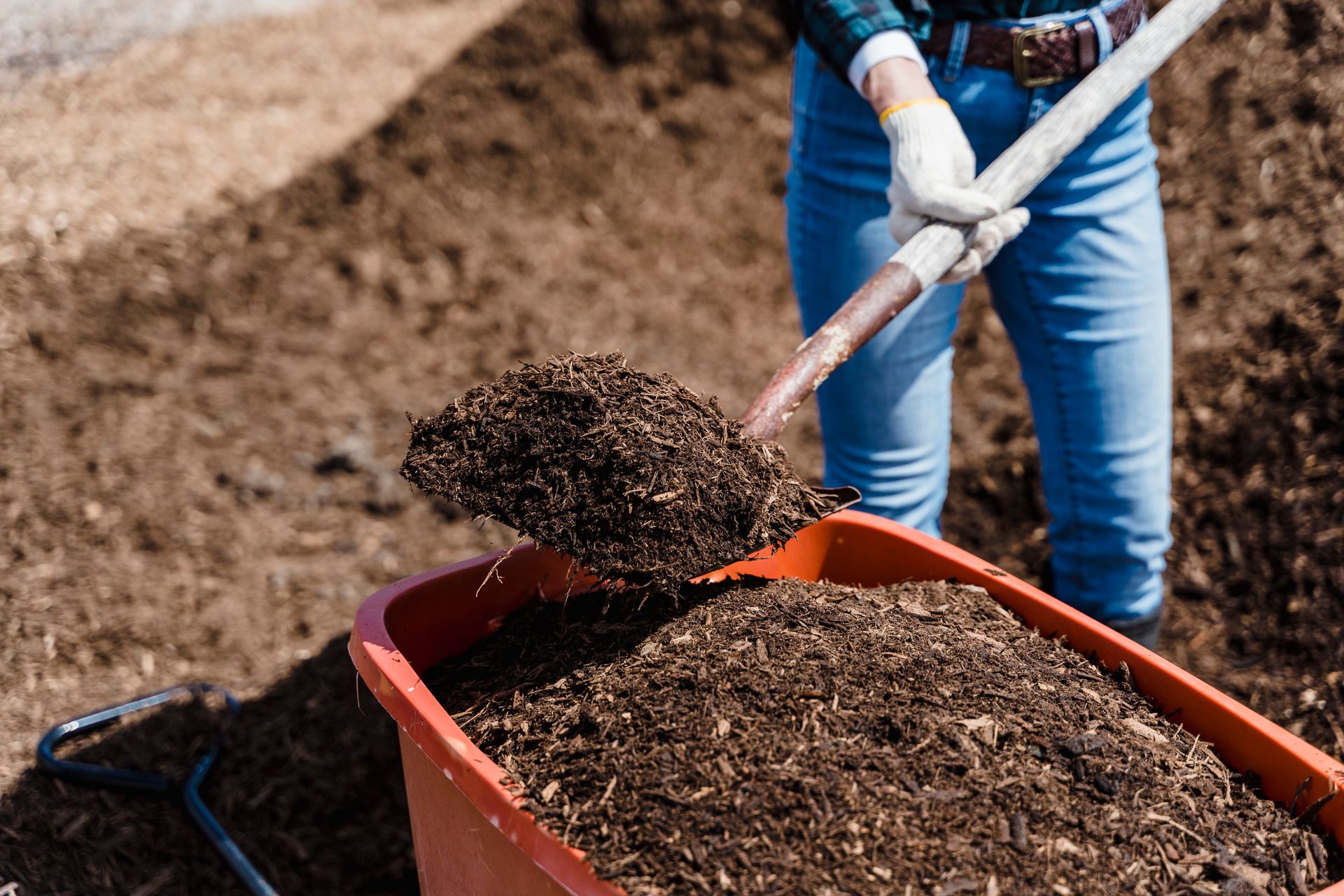
Improves Soil Structure
Healthy soil needs a good balance of air, water, organic matter, and minerals. Adding mature compost can improve soil structure and make some soils easier to manage. In heavy soils, organic matter can support better drainage and create spaces for air. In sandy soils, it can help improve the soil’s ability to hold moisture and nutrients. The results depend on the soil type, compost quality, and amount applied.
Adds Organic Matter
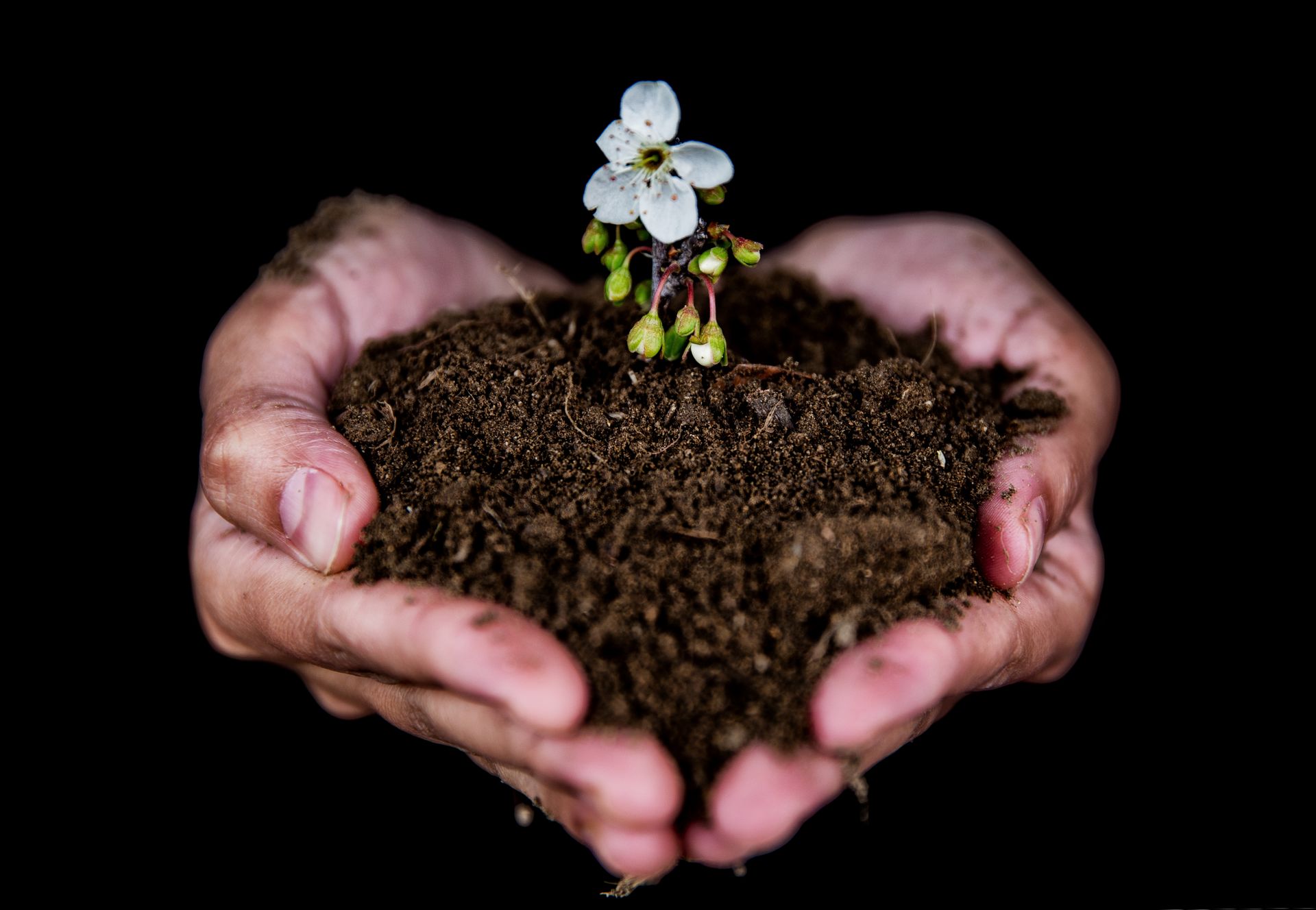
Organic matter is an important part of productive soil. Compost adds decomposed organic material that can support soil organisms and improve the condition of the growing environment. Regular additions of suitable compost can help maintain soil quality over time. However, compost should be used as part of a broader soil management plan rather than as a complete replacement for every nutrient source.
Supports Soil Organisms
Soil contains many living organisms that contribute to natural processes. Bacteria, fungi, insects, worms, and other organisms help break down organic materials and cycle nutrients. Mature compost can provide organic material that supports this living soil community. A healthy soil ecosystem can contribute to nutrient cycling and other processes that benefit crop production.
Encourages Natural Soil Activity
When organic materials are returned to the soil, microorganisms can break them down gradually. This process releases nutrients and creates additional organic compounds. Farmers can support this activity by maintaining suitable moisture, reducing unnecessary soil disturbance, and keeping the soil covered when practical.
Helps Reduce Farm Waste
Farms can produce large amounts of organic waste during planting, harvesting, pruning, and other activities. Instead of treating all this material as rubbish, farmers can compost suitable materials and return them to the soil. This can reduce waste while creating a useful resource. Composting also supports the idea of using materials more than once within a farming system.
Reduces The Need For Some Inputs
Good-quality compost can provide some nutrients and improve soil conditions. As a result, farmers may be able to reduce their dependence on certain purchased soil amendments, depending on their soil and crop needs. However, compost does not always provide every nutrient in the amounts crops require. Soil testing and careful crop planning can help farmers decide whether additional nutrients are needed.
Helps Hold Soil Moisture
Compost can improve the ability of some soils to retain moisture. This can be especially useful when crops face periods of limited rainfall. Better moisture retention may reduce the frequency of irrigation in some situations, although the effect depends on soil type, climate, crop requirements, and other management practices. Compost works best alongside efficient watering and good soil cover.
Supports Erosion Control
Healthy soil with good structure is less likely to be easily carried away by water or wind. Compost can contribute to soil structure when used appropriately. Farmers can combine compost with other conservation practices, such as cover crops, mulching, reduced soil disturbance, and suitable planting methods. These practices can work together to protect valuable topsoil.
Makes Use Of Local Resources
Many farms already have materials that can be composted. Crop residues, leaves, grass clippings, and some animal bedding may be suitable when handled correctly. Using these materials can reduce the need to transport waste away from the farm. It can also create a useful resource from materials that might otherwise have little value.
Create A Suitable Compost Pile
A compost pile needs a suitable mix of materials, moisture, air, and time. Mix appropriate materials rather than relying heavily on only one type. A combination of carbon-rich materials and nitrogen-rich materials can support decomposition. Turn the pile when needed to improve airflow and monitor moisture so it is not excessively wet or dry.
Avoid Unsafe Materials
Not everything belongs in a farm compost pile. Avoid materials that may contain harmful chemicals, pathogens, heavy metals, or other contaminants. Do not add unknown waste simply because it is organic. If compost will be used for food crops, choose materials carefully and follow appropriate safety guidance.
Use Mature Compost
Compost should be allowed to decompose properly before it is added to growing areas. Mature compost is generally dark, crumbly, and has an earthy smell rather than a strong smell of fresh waste. Using unfinished material can create problems with plant growth or introduce unwanted contaminants. Give the compost enough time to develop before applying it to crops.
Combine Composting With Other Practices
Composting is most useful when combined with other sustainable farming methods. Crop rotation, cover crops, mulching, efficient irrigation, erosion control, and responsible nutrient management can all support soil health. Farmers should choose practices that fit their soil, climate, crops, and available resources. There is no single method that works equally well for every farm.
Conclusion
Understanding why composting benefits sustainable agriculture shows how a simple farm practice can support several environmental and production goals. Compost can improve soil structure, add organic matter, support soil organisms, help retain moisture, and reduce suitable farm waste. It can also make better use of materials already available on the farm. However, compost must be prepared and used safely. When combined with other conservation methods, composting can help farmers build healthier soil and create a more efficient and sustainable farming system.