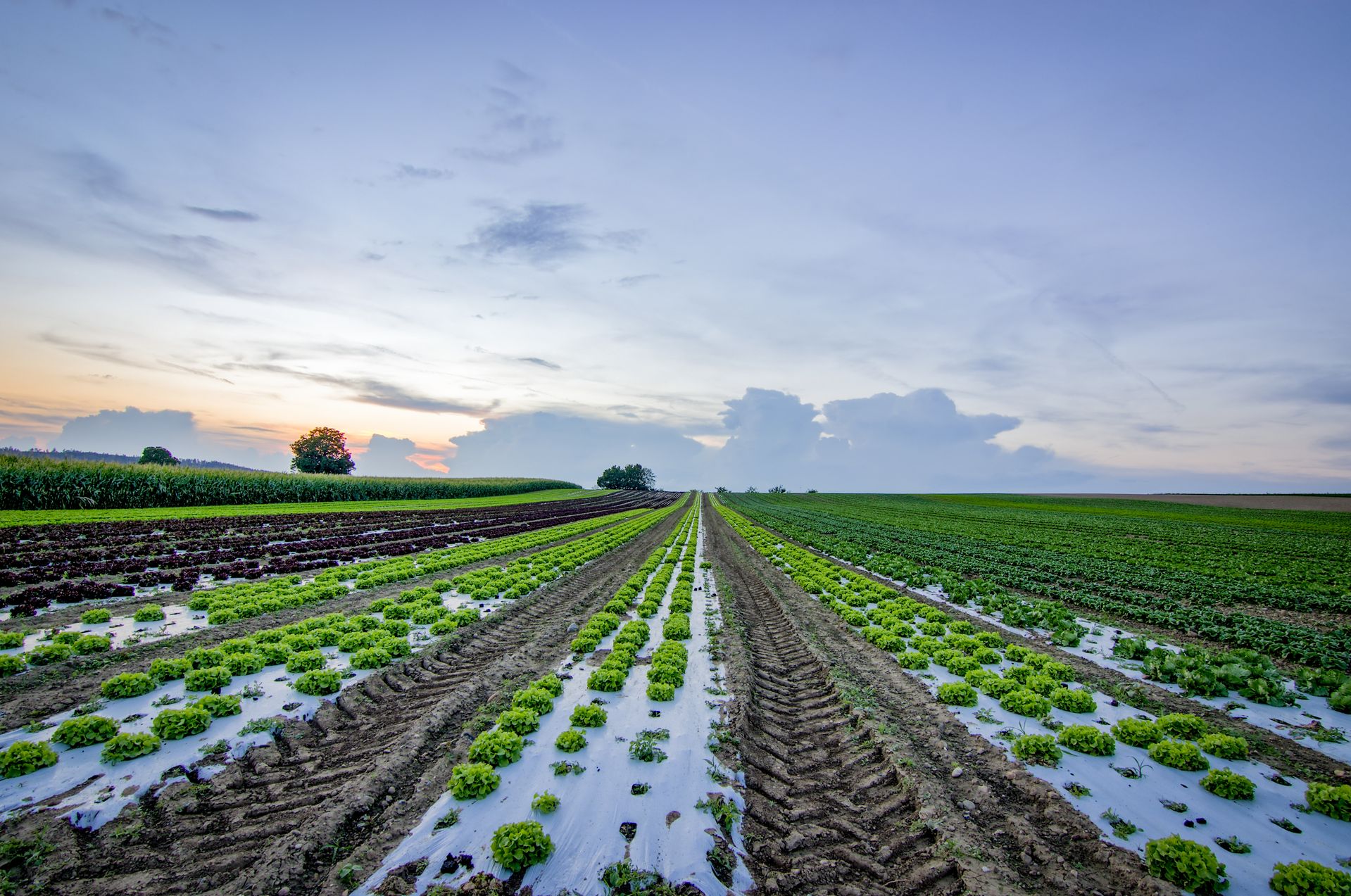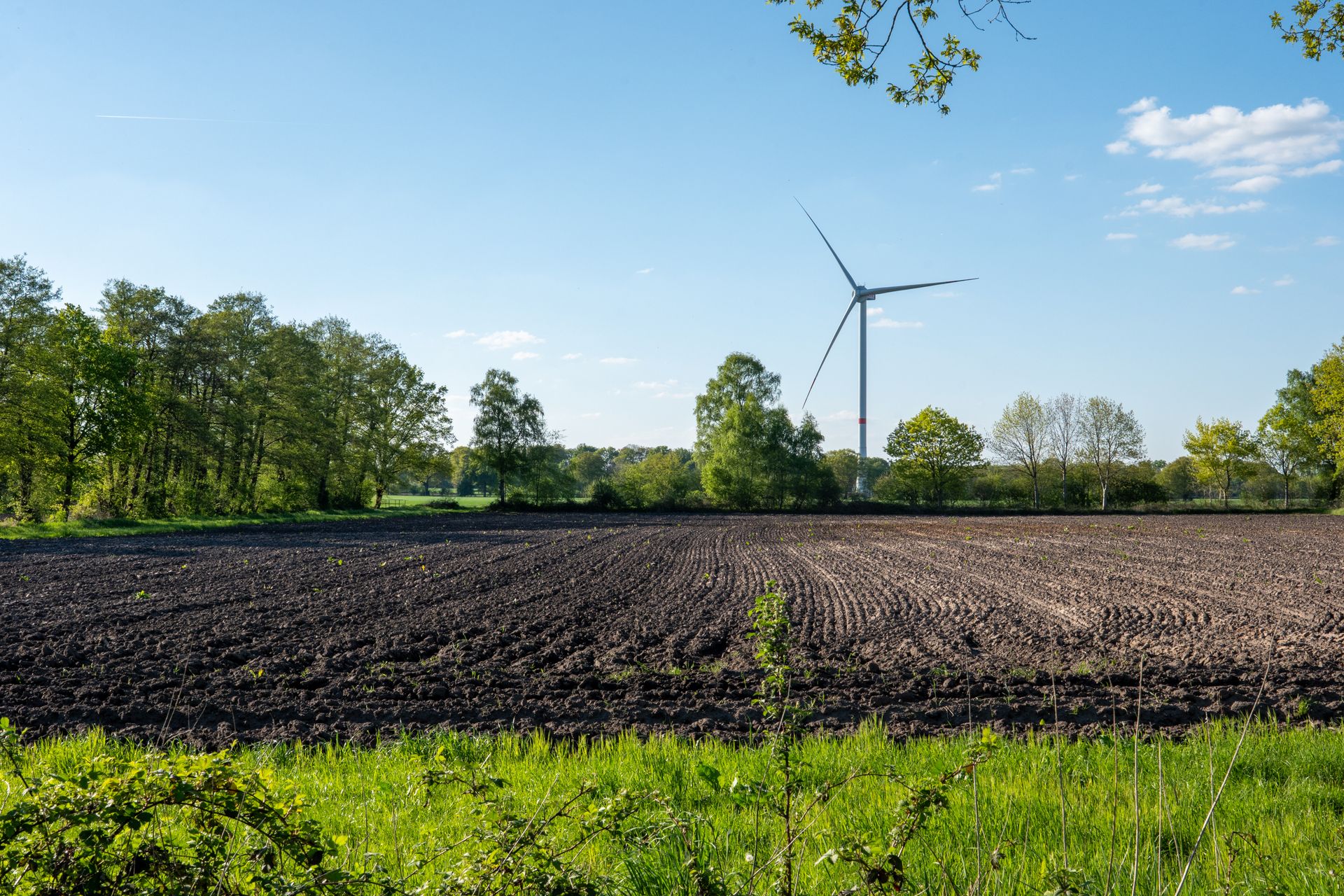









Healthy soil is the base of strong farming. However, soil can lose nutrients, water, and structure when farmers leave it bare for long periods. In this article, we discuss why cover crops can help protect and improve soil health while supporting better plant growth. These plants grow between main crops and provide several useful benefits. They can also reduce soil damage and help farmers build more productive fields over time.

How Cover Crops Protect Soil And Improve Farmland
Bare soil is easy to damage. Heavy rain can wash away the top layer of soil. Strong wind can also carry loose soil away. This loss can reduce the nutrients that plants need. Cover crops help by placing living plants over the soil. Their leaves reduce the force of rain, while their roots hold soil in place. As a result, less soil is lost during storms and windy days. In addition, plant roots create small spaces in the ground. These spaces can help air and water move through the soil more easily.
Adding Organic Matter To The Soil
Soil needs organic matter to stay healthy. Organic matter comes from plant leaves, roots, and other natural materials. When cover crops die, their plant parts break down and add useful material to the soil. This process can improve soil structure. It can also give soil organisms a source of food. Over time, this may create soil that is softer and easier to work. Farmers can choose plants that produce plenty of plant material, such as grasses, legumes, or mixed plant groups.
Improving Water Use
Water is important for every crop. Yet, dry soil can lose water quickly, while hard soil may not absorb rain well. Cover crops can help with both problems. Their roots create channels that allow water to enter the ground. Plant material on the surface can also slow water loss caused by heat and wind. Therefore, more moisture may remain in the soil for longer. This can be especially helpful during periods with little rainfall. Better water movement can also reduce standing water after heavy rain.
Supporting Helpful Soil Life
Healthy soil contains many living organisms. These include earthworms, fungi, bacteria, and other tiny creatures. They help break down plant material and release nutrients. They also help create a better soil structure. Cover crops give these organisms food and shelter. As plant roots grow, they release substances that support some soil microbes. In turn, these organisms can help plants access certain nutrients. A living soil system can become stronger when farmers regularly add plants and organic material.
Reducing Weeds Naturally
Weeds can compete with crops for water, sunlight, space, and nutrients. However, a field with growing plants has less open space for unwanted plants. Cover crops can block sunlight from reaching weed seeds. Some varieties may also grow quickly and form a thick plant layer. This can reduce the number of weeds that appear. As a result, farmers may have less need for repeated weed control. Still, the right plant choice and proper timing are important because some cover crops can become difficult to manage if they grow too long.
Choosing The Right Plants
Farmers should choose plants based on their soil, weather, and farming goals. Different plants offer different benefits. For example, legumes can add nitrogen to the soil through their relationship with certain bacteria. Grasses can produce large amounts of plant material and help protect the ground. Some plants have deep roots that can reach lower parts of the soil. A mixture can provide several benefits at once.
Farmers can consider these factors:
-
Local rainfall and temperature.
-
Soil type and drainage.
-
The main crop grown afterward.
-
The amount of plant growth needed.
-
The best planting and removal time.
-
The main soil problem that needs attention.
Long-Term Benefits For Farmers
Using cover crops can support soil health over many growing seasons. Better soil structure can make planting easier. Improved water movement can support crops during dry periods. More organic matter can also help soil hold nutrients and moisture. However, results do not always appear immediately. Farmers need to use the right plants and manage them carefully. Good planning is important because every farm has different needs.
Conclusion
Cover crops offer a simple way to protect soil while improving its condition. They can reduce erosion, support soil life, improve water movement, add organic matter, and limit weeds. Over time, these benefits can help create stronger and more productive farmland. Farmers who choose suitable plants and manage them at the right time can build healthier soil for future crops. In the long run, this approach can support both farm productivity and the health of the land.