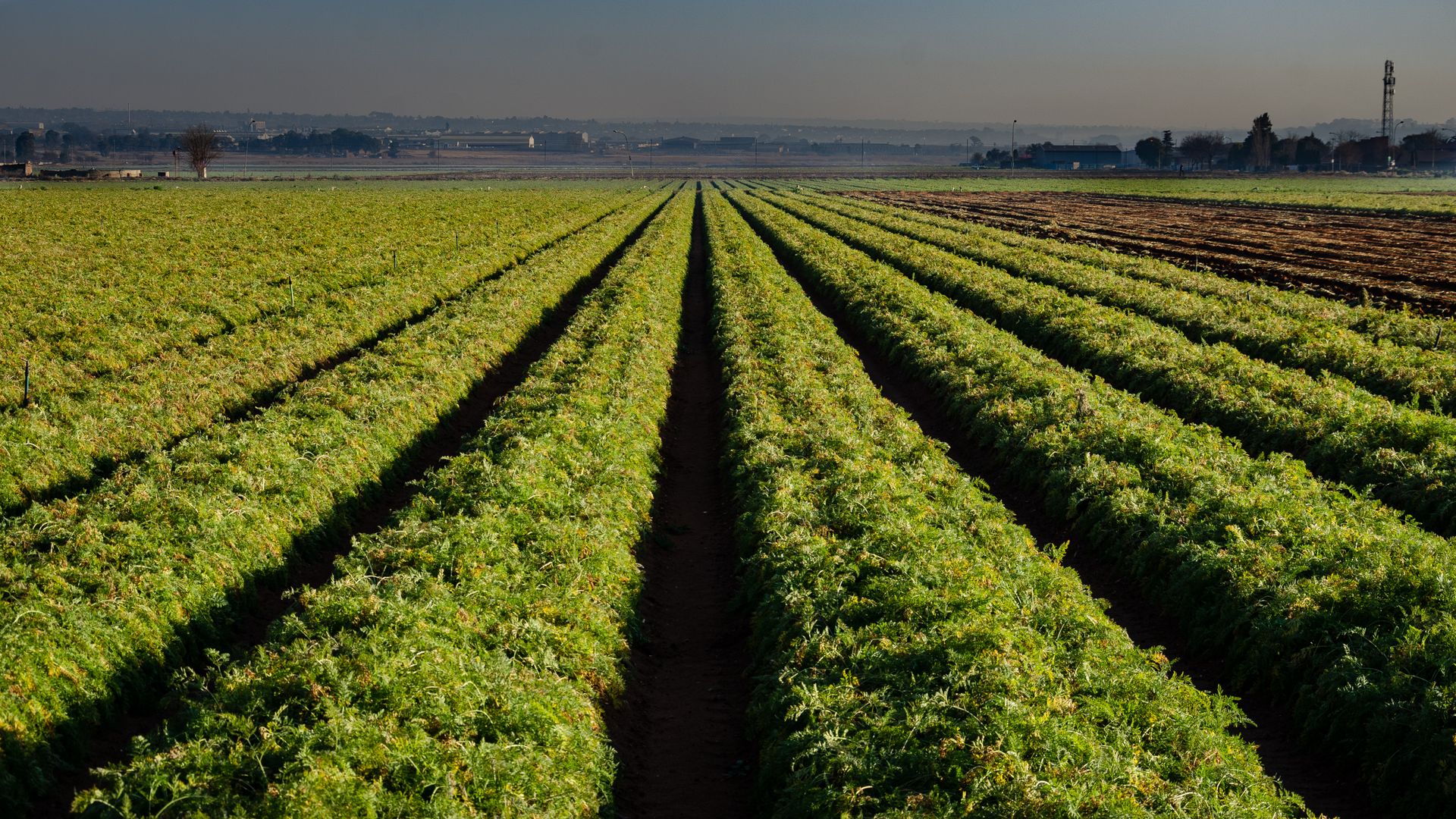
Crop diversity can make farms stronger and more flexible. Growing different crops instead of relying on one crop can support soil health, reduce some pest problems, and improve farm resilience. In this article, we discuss why crop diversity supports sustainable farms and how farmers can use simple methods to create more balanced growing systems. Different crops bring different roots, nutrients, and growth patterns to the land. As a result, farms can become better prepared for changing weather and other challenges.

How Crop Diversity Builds Stronger And More Sustainable Farms
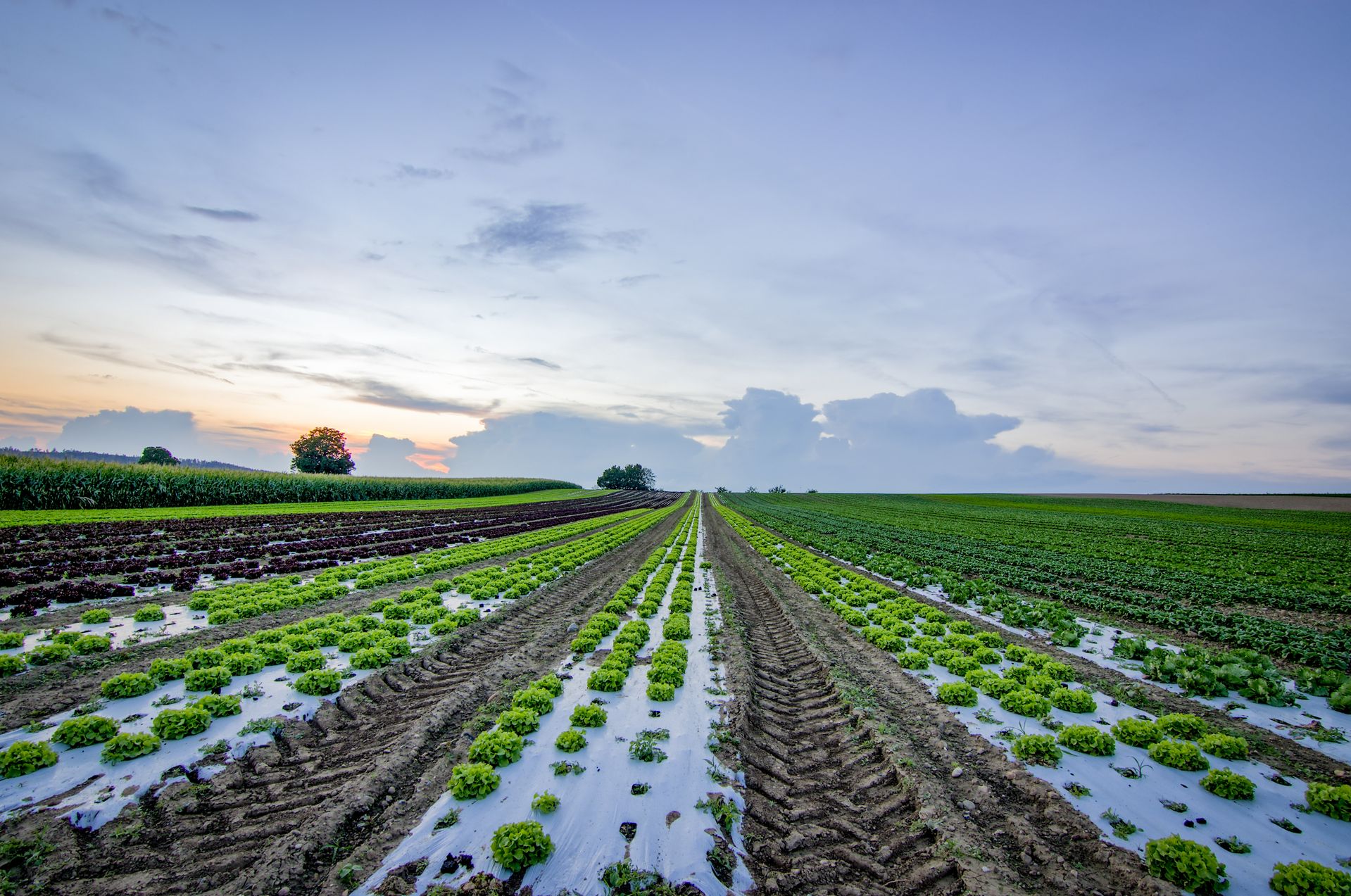
A diverse farm contains several types of crops. Each crop has different needs and benefits. Some have deep roots, while others grow close to the surface. Some use more nutrients, while others can help add nutrients to the soil. Therefore, growing different crops can reduce the pressure placed on one part of the farming system.
Improve Soil Health
Different crops interact with soil in different ways. Deep-rooted plants can reach nutrients and water lower in the ground. Other plants may add plant material near the surface. When crop remains break down, they add organic matter to the soil.
Legumes can provide another useful benefit. Certain legumes work with soil bacteria to help make nitrogen available. Farmers can include suitable legumes in their crop plans to support soil fertility. Over time, this approach can reduce pressure on the soil and support healthier plant growth.
Reduce Pest Problems
Growing one crop across a large area can make it easier for some pests to find food. However, mixed crops can make the environment less predictable. Different plant smells, shapes, and growth patterns can interrupt the movement of some harmful insects.
Farmers can also use crop rotation. This practice changes the crop grown in a field from one season to another. As a result, pests that depend on one crop may have fewer chances to survive and multiply.
Support Helpful Insects
A range of crops can provide food and shelter for useful insects. Flowers can provide nectar and pollen. Some insects feed on harmful pests, while others help pollinate plants.
Farmers can add flowering plants near fields or include suitable flowering crops in their growing plans. This creates a more varied environment. In turn, helpful insects may become more common.
Improve Water Use
Different root systems can change how water moves through the soil. Deep roots can create channels that allow water to move downward. Surface roots can help hold soil together and reduce runoff.
A diverse planting system can therefore improve the way soil receives and stores water. This can become especially useful during periods of heavy rain or limited rainfall.
Protect Farms From Weather Changes
Weather can change quickly. Drought, heavy rain, strong winds, and unusual temperatures can all affect crops. If a farm grows only one crop, one severe event may cause major losses.
Growing several crops spreads this risk. One crop may struggle while another performs better. Therefore, diversity can give farmers more options during difficult seasons.
Use Crop Rotation
Crop rotation is one of the easiest ways to add diversity to a farm. Instead of planting the same crop in the same field every year, farmers change the crop over time.
A simple rotation might include:
-
A cereal crop in one season.
-
A legume in the next season.
-
A root or leafy vegetable afterward.
-
A cover crop when the field needs extra protection.
The exact rotation should match local weather, soil conditions, and market needs.
Combine Crops With Other Practices
Crop diversity works best when farmers combine it with other sustainable methods. Cover crops can protect bare soil. Mulch can reduce water loss and erosion. Compost can add organic matter. Reduced tillage can protect soil structure.
Farmers should also monitor their fields. Different crops have different water, nutrient, and pest needs. Good planning helps prevent one crop from creating problems for another.
Economic Benefits For Farmers
Growing several crops can also provide financial benefits. Farmers may sell different products at different times of the year. This can reduce dependence on one market or crop price.
However, diversity requires planning. Farmers need suitable seeds, labor, storage, and markets. It is important to choose crops that match local demand and available resources. A diverse farm should remain practical and profitable.
Conclusion
Crop diversity can help create stronger and more sustainable farms. Different crops support soil health, reduce some pest pressures, attract useful insects, improve water movement, and spread weather risks. Farmers can start with simple crop rotations or add a few suitable crops to their existing system. With careful planning, a wider range of crops can support healthy land, stable production, and greater farm resilience over time.