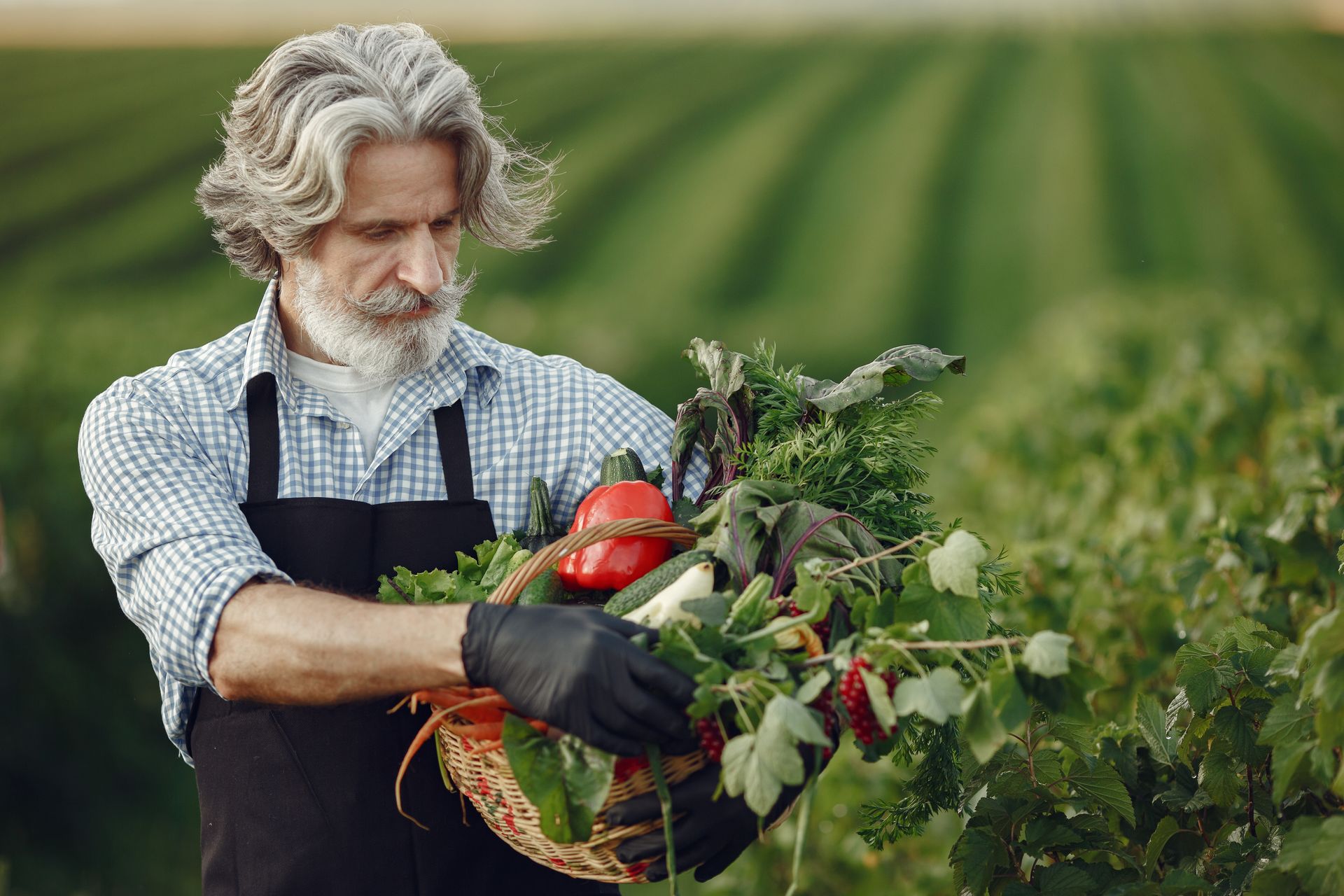







Many people notice a difference when they eat fruits, vegetables, eggs, dairy products, and other foods purchased directly from local farms. Farm-fresh products can offer distinctive flavors, aromas, textures, and overall quality that make everyday meals more enjoyable.
But why does farm-fresh food often taste better? Several factors can influence flavor, including harvest timing, freshness, crop variety, growing conditions, handling, and storage.
Understanding why farm-fresh products taste better can help consumers make more informed choices and appreciate the work that goes into producing fresh food.
Harvest Timing Matters
One of the biggest factors affecting flavor is when farmers harvest a crop.
Farmers who sell directly to local customers may have more flexibility to harvest certain products closer to their ideal eating stage. Fruits and vegetables can develop different flavors and textures as they mature.
For example, a fruit harvested at an appropriate stage of ripeness may have a stronger aroma and more appealing texture than one harvested too early.
However, not every crop should be harvested when fully ripe. Some products need to reach a particular maturity stage so they can withstand handling and transportation.
Therefore, the ideal harvest time depends on the specific crop and its intended use.
Freshness Preserves Quality
Fresh produce begins changing after harvest. Moisture loss, respiration, temperature, and other natural processes can gradually affect texture and flavor.
When produce moves quickly from a farm to a nearby customer, it may spend less time in transportation or storage.
As a result, consumers may notice fresher textures and stronger natural aromas.
Nevertheless, freshness depends on proper handling as well. Poor storage can reduce quality even when produce was harvested recently.
Seasonal Produce Can Have Better Flavor
Seasonal crops grow during periods when temperature, sunlight, rainfall, and other environmental conditions are suitable for the plant.
When crops grow under favorable conditions, they can develop characteristics associated with their variety and growing environment.
Buying seasonal produce also means purchasing food when local farmers are actively harvesting it. This can provide access to products soon after harvest.
Furthermore, seasonal eating encourages consumers to enjoy foods at different points throughout the year instead of expecting every crop to be available continuously.
Crop Variety Influences Taste
The variety of a crop can make a significant difference in flavor.
Farmers may choose varieties based on taste, texture, appearance, disease resistance, storage life, or local growing conditions.
Large-scale supply chains sometimes prioritize varieties that can withstand long transportation and storage. Local farmers may have more flexibility to grow specialty varieties when their customers value flavor and diversity.
Consequently, shopping at local farms and farmers markets can introduce consumers to varieties they may not normally find in conventional stores.

Growing Conditions Affect Flavor
Soil, water, temperature, sunlight, and other growing conditions influence plant development.
Healthy soil provides the physical environment and nutrients plants need to grow. Appropriate water management helps crops avoid both drought stress and excessive moisture.
Similarly, sunlight affects photosynthesis and plant development.
Farmers carefully manage these factors, although weather remains beyond their complete control.
When crops receive suitable growing conditions, they can develop desirable qualities that contribute to the eating experience.
Shorter Supply Chains Can Help
Food may pass through several stages before reaching consumers. It can travel from farms to collection centers, warehouses, distribution facilities, retailers, and finally households.
Direct farm sales can shorten this chain.
A shorter supply chain can reduce transportation and storage time, although the exact benefit depends on how the food is harvested, handled, packaged, and transported.
Buying directly from a farm also allows customers to learn more about where and when their food was produced.
Proper Handling Protects Flavor
Careful handling after harvest can help preserve food quality.
Rough handling can cause bruising, cuts, or other damage. Temperature changes can also affect certain fruits and vegetables.
Farmers who carefully sort, package, and transport their products can help maintain quality until the food reaches customers.
Consumers also play a role. Storing fresh produce under appropriate conditions can help preserve flavor after purchase.
Local Farmers May Grow for Flavor
Farmers who sell directly to consumers can sometimes prioritize characteristics that customers value most.
For example, they may choose varieties known for flavor rather than focusing exclusively on long-distance transportability.
Direct customer feedback can also influence future production decisions. If customers consistently prefer a particular variety, a farmer may choose to grow more of it.
This relationship can create a stronger connection between production and consumer preferences.
Farm-Fresh Eggs and Dairy Products
The farm-fresh experience is not limited to fruits and vegetables.
Eggs and dairy products can also benefit from proper handling, storage, and freshness. Consumers may notice differences in taste, texture, or cooking performance depending on the product and production system.
However, freshness does not replace food safety. Eggs, milk, cheese, and other perishable foods should always be handled, stored, and processed according to appropriate food-safety practices.
Fewer Storage Delays
Long storage periods can affect the quality of some foods.
Although modern storage systems allow farmers and retailers to keep many products available throughout the year, some fresh foods are highly perishable.
Buying products closer to harvest can reduce the amount of time they spend in storage before consumption.
Therefore, if flavor is your priority, ask local farmers about harvest dates and recommended storage practices.
How Consumers Can Enjoy Farm-Fresh Flavor
To get the most from farm-fresh products, buy produce that is currently in season and use it relatively soon after purchase.
Store each food according to its requirements. Avoid exposing delicate produce to unnecessary heat, moisture, or rough handling.
You can also try different local varieties. Ask farmers which products are best for eating immediately and which ones are suitable for cooking or storage.
Finally, prepare fresh ingredients simply. When produce already has strong natural flavor, you may not need complicated recipes or heavy sauces.
Final Thoughts
Understanding why farm-fresh products taste better involves looking at the entire journey from field to table. Harvest timing, freshness, crop variety, growing conditions, seasonal availability, handling, and storage can all influence the final taste and texture of food.
Farm-fresh products are not automatically better in every situation, but buying directly from local producers can give consumers greater access to recently harvested and locally grown foods.
By shopping seasonally, asking farmers about their products, storing food properly, and using fresh ingredients soon after purchase, you can enjoy more of the natural flavor that quality farm products have to offer.