Farm life can be both satisfying and demanding. Farmers spend their days working with land, crops, animals, and changing weather. They may enjoy the freedom of working outdoors and seeing the results of their effort. At the same time, farming requires patience, physical energy, planning, and the ability to handle unexpected problems. In this article, we discuss why farm life is rewarding and challenging and explore the experiences that make farming different from many other types of work. Understanding both sides can help people develop a realistic view of life on a farm.
The Reward Of Growing Food
One of the greatest rewards of farming is producing food. Farmers can watch a crop develop from a small seed into a mature plant that provides food for families and communities.
Harvest time can create a strong feeling of achievement. After months of preparing soil, planting, watering, weeding, and protecting crops, seeing a healthy harvest can make the hard work feel worthwhile.
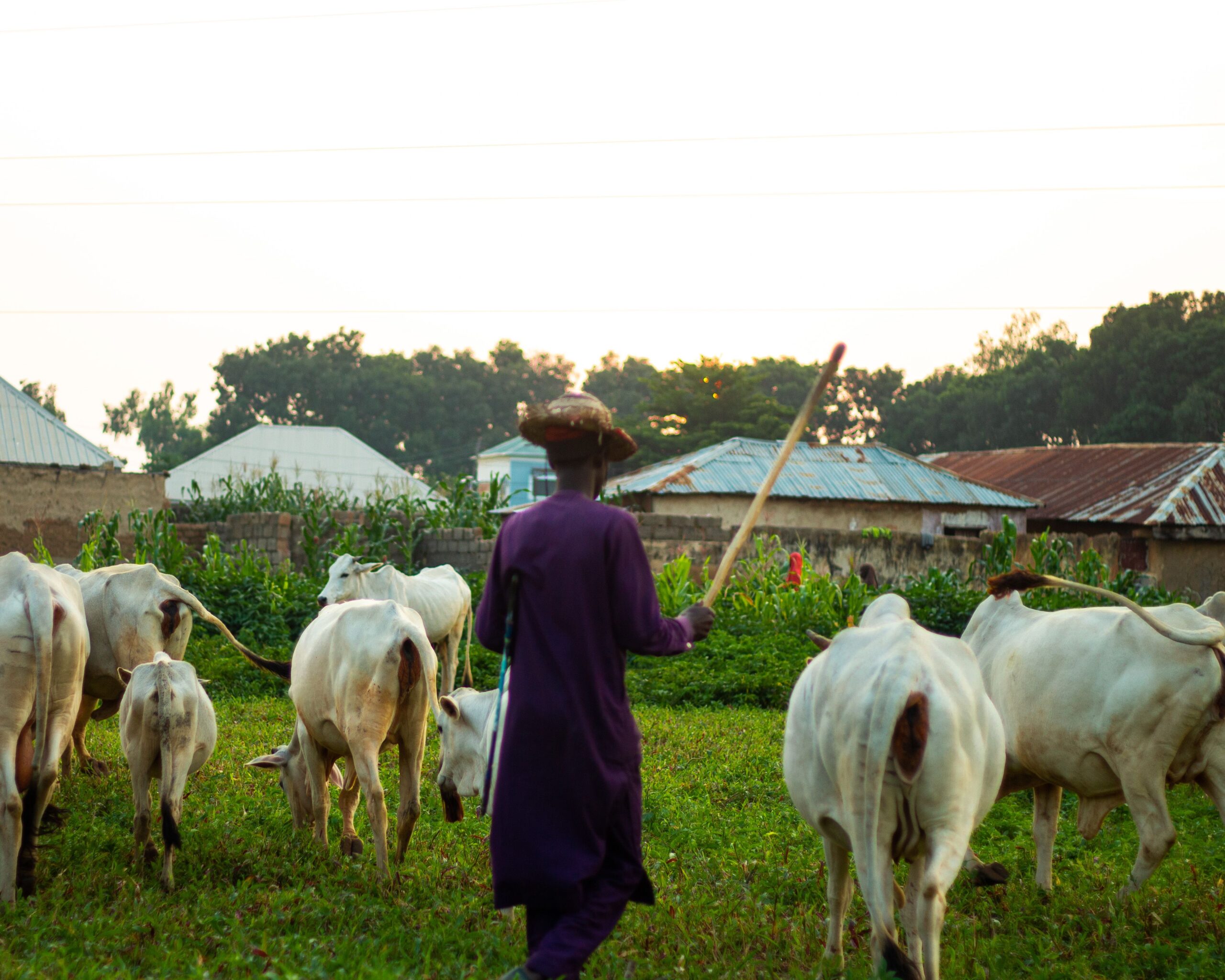
Livestock farmers can experience a similar sense of satisfaction when animals are healthy cared for.
Working Close To Nature
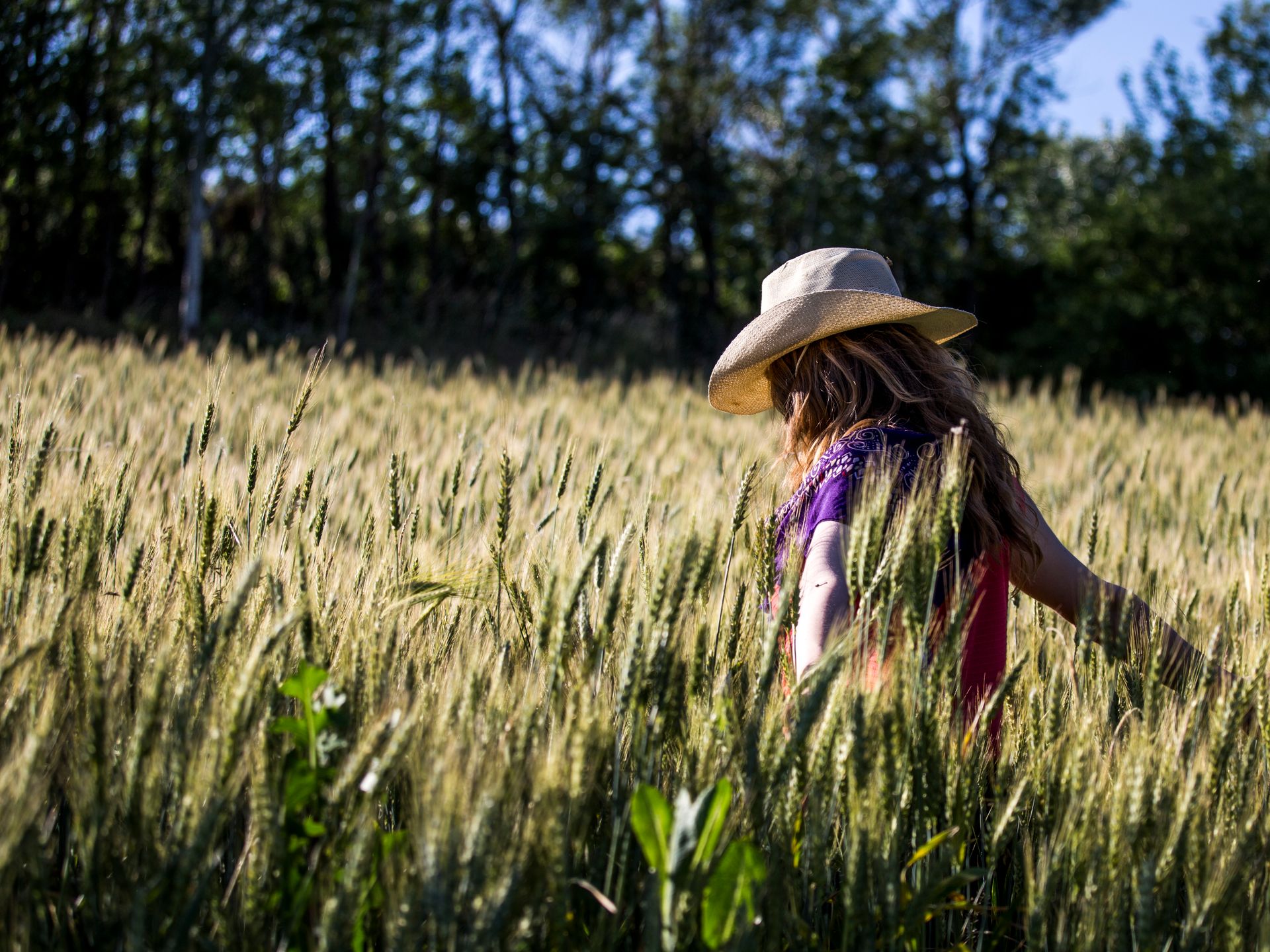
Farming allows people to spend a lot of time outdoors. Instead of working in the same indoor environment every day, farmers experience changing seasons, weather, plants, animals, and landscapes.
This connection with nature can be relaxing for some people. It can also teach patience because farmers cannot control every part of the natural environment.
Every Season Brings Something Different
Spring may bring planting and preparation, while other seasons may focus on crop care or harvesting. Livestock work can continue throughout the year.
This variety can make farm life interesting. However, it also means farmers must constantly adjust their plans.
The Challenge Of Weather
Weather is one of the biggest difficulties farmers face. Too much rain can damage crops, while drought can reduce growth and water supplies.
Strong winds, extreme heat, storms, and unexpected temperature changes can also cause problems. Farmers can prepare for some risks through irrigation, drainage, soil protection, and suitable crop choices, but they cannot control the weather.
This uncertainty can make farming stressful.
Physical Work And Long Days
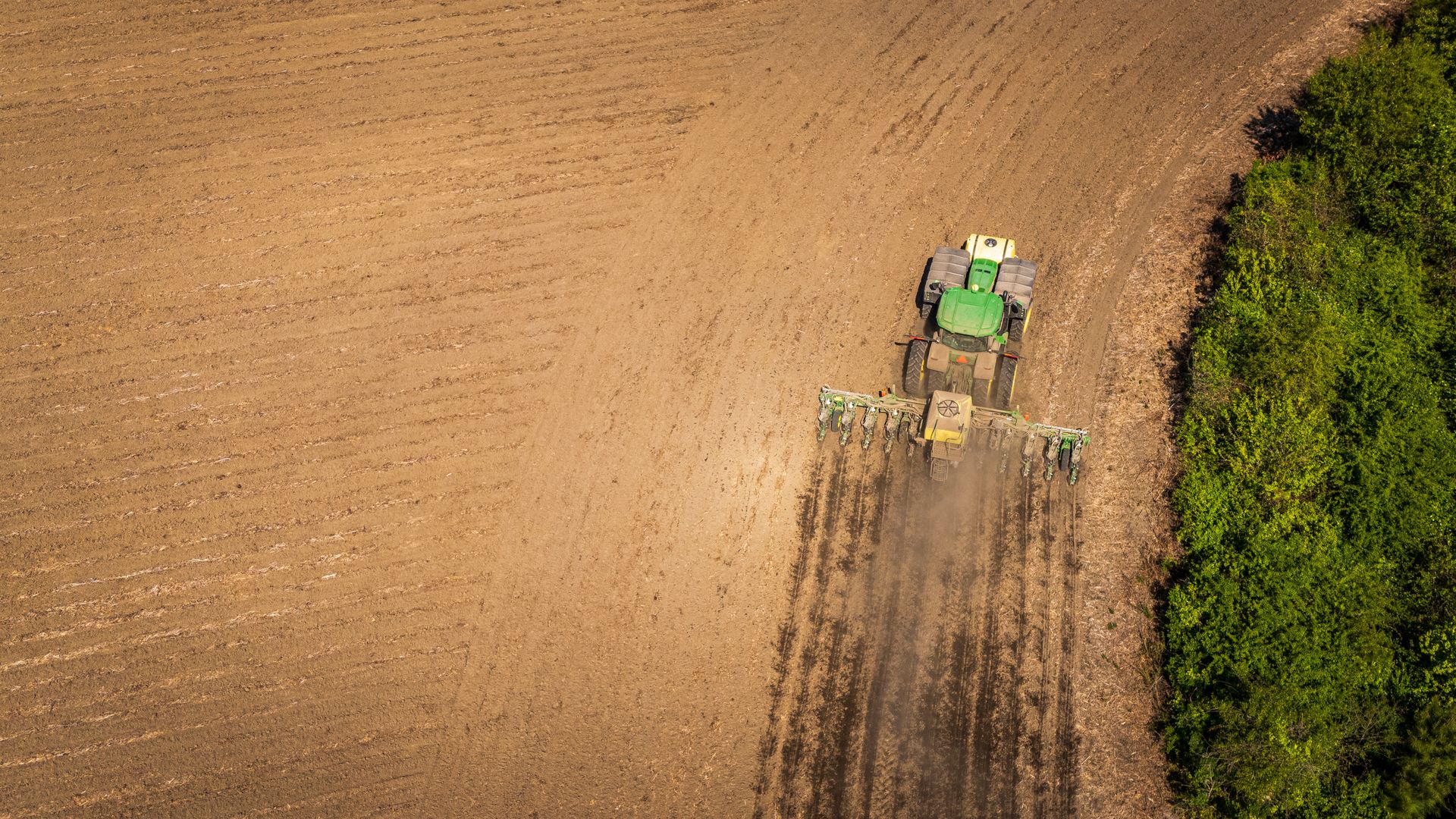
Farming can require considerable physical effort. Farmers may spend hours planting, lifting, digging, feeding animals, harvesting, repairing fences, and moving equipment.
During planting and harvest periods, working days may become especially long. Physical work can be tiring, particularly during hot weather.
However, regular movement and outdoor activity can also be a positive part of farm life for people who enjoy active work.
The Satisfaction Of Independence
Many farmers value having greater control over their work. They can make decisions about what to grow, how to manage their land, and how to develop their farm business.
This independence can create a strong sense of ownership. However, it also comes with responsibility. Farmers must make important decisions and accept the financial results of those choices.
Building Family And Community Connections
Farming can bring families and communities together. Family members may share responsibilities during planting, animal care, and harvesting.
Farmers can also build relationships with neighbors, customers, suppliers, and other agricultural workers.
These connections can provide valuable support during difficult periods. Sharing knowledge and equipment can make challenging tasks easier.
Financial Uncertainty
Farming does not always provide a predictable income. Production costs can change, while crop prices may rise or fall.
A farmer can also experience a poor harvest because of weather, pests, disease, or other unexpected problems.
Good budgeting, record-keeping, crop planning, and market research can reduce some financial risks. Still, uncertainty remains part of agricultural work.
Learning From Difficult Seasons
A difficult season can teach farmers important lessons. They may discover that a different crop variety performs better, that irrigation needs improvement, or that they should develop more than one market.
Over time, these experiences can help farmers become better planners and problem solvers.
The Importance Of Patience
Farming rarely produces instant results. Crops need time to grow, and livestock requires regular care.
Farmers must often wait months before seeing the results of their work. This can be challenging, but it can also teach patience and discipline.
Small improvements each season can eventually lead to stronger production and a more successful farm.
Conclusion
Understanding why farm life is rewarding and challenging means looking at both the positive and difficult sides of agriculture. Farmers can enjoy working outdoors, producing food, caring for animals, building businesses, and connecting with their communities. At the same time, they must deal with weather risks, physical work, financial uncertainty, and long working days. Despite these challenges, many farmers find deep satisfaction in seeing their efforts produce something useful. With patience, planning, and a willingness to learn, the difficult moments can become valuable experiences that help a farm grow stronger.