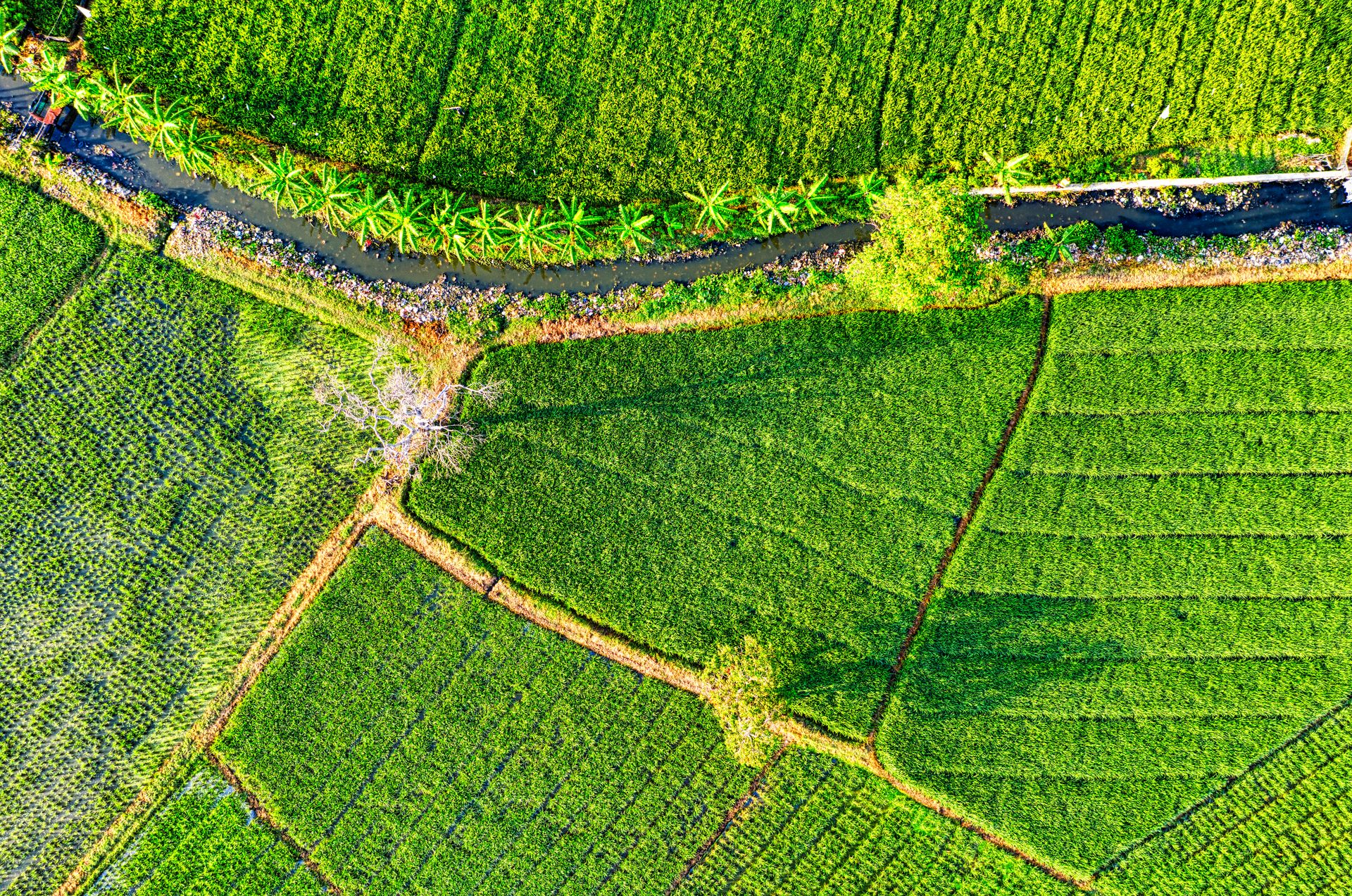
Homesteading can encourage people to make healthier food choices by giving them more control over what they grow, prepare, and eat. Growing vegetables, herbs, fruits, and other foods can make fresh ingredients easier to access at home. It can also encourage people to cook more meals from basic ingredients instead of depending heavily on highly processed foods. In this article, we discuss why homesteading promotes healthier eating and how simple habits can improve everyday food choices. However, a healthy diet still requires variety, balance, and attention to individual nutritional needs.
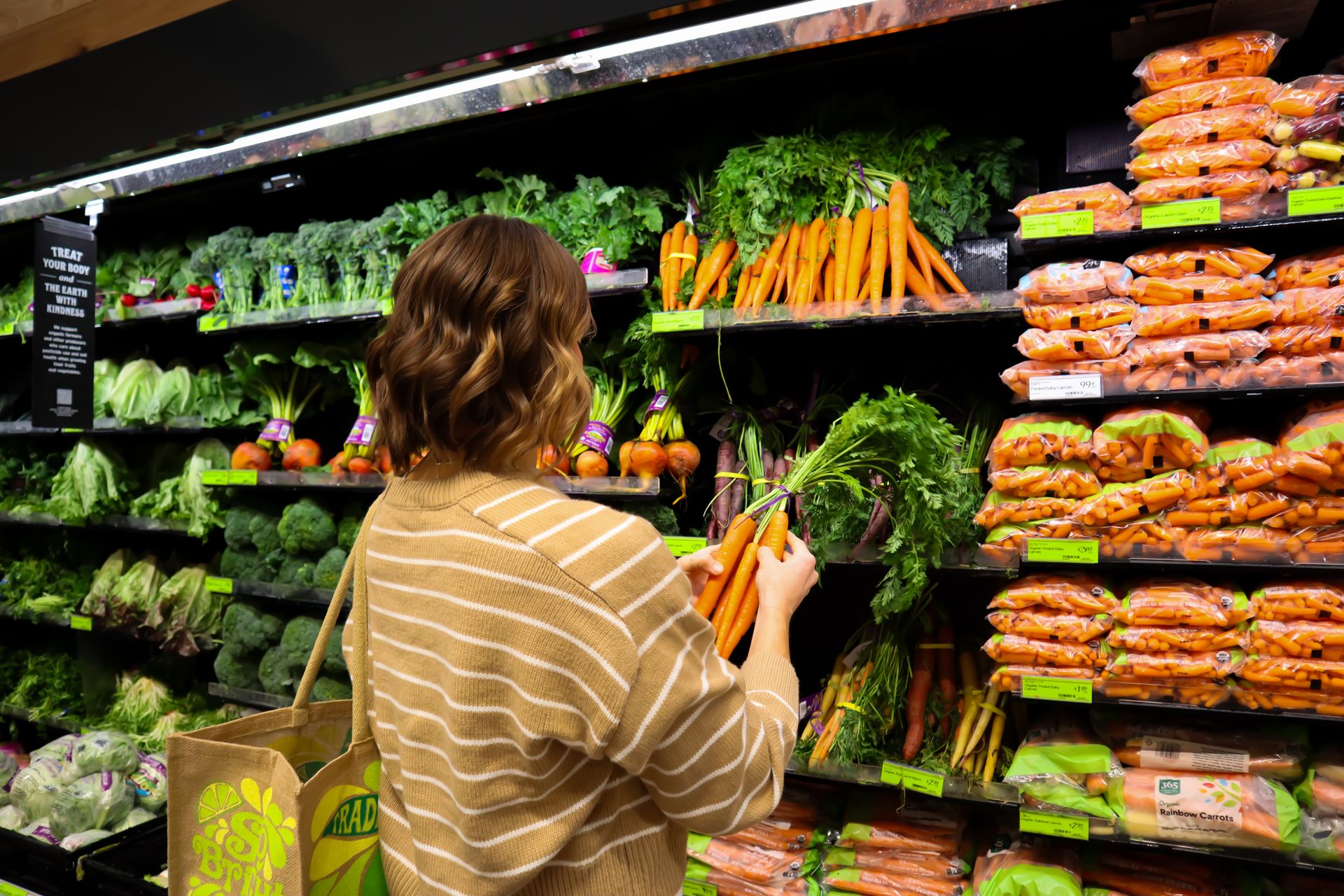
Growing Fresh Food At Home
A home garden can make fresh food available close to where meals are prepared. When vegetables and herbs are growing nearby, people may be more likely to include them in daily meals. Common garden crops can include leafy greens, tomatoes, beans, onions, carrots, peppers, and other locally suitable vegetables. Growing food also helps people understand where their ingredients come from and how much work is involved in producing them.
Eating More Fresh Vegetables
Homesteading can encourage households to eat more vegetables because fresh produce is often available during the growing season. Gardeners can pick vegetables when they are ready and use them in salads, soups, stews, sauces, and other meals. Eating a variety of vegetables can add important nutrients, fiber, and other beneficial compounds to the diet. The exact nutritional needs of each person differ, so variety remains important.
Cooking More Meals At Home
Growing food often encourages people to spend more time preparing meals at home. When you have fresh ingredients available, you can create simple dishes based on what is currently growing. Cooking at home also gives you more control over ingredients such as salt, sugar, fats, and portion sizes. You can adjust recipes to suit your household while making better use of the food you have available.
Planning Meals Around Your Harvest
Meal planning can help you use garden produce before it spoils. If you know which vegetables are ready to harvest, you can plan meals around them. This can reduce food waste and encourage greater variety throughout the growing season. It can also make grocery shopping more focused because you already know which ingredients are available at home.
Reducing Dependence On Processed Foods
Homesteading does not mean avoiding all packaged foods, but it can encourage people to prepare more meals from basic ingredients. Fresh vegetables, fruits, grains, eggs, beans, and other suitable foods can become the foundation of many homemade meals. Preparing food from these ingredients can make it easier to understand what goes into each dish and reduce reliance on foods that contain large amounts of added sugar, salt, or other ingredients.
Learning Where Food Comes From
Growing food provides practical knowledge about agriculture and nutrition. Children and adults can learn how seeds become plants, how vegetables develop, and how food reaches the kitchen. This experience can encourage greater appreciation for fresh ingredients. It may also make people more interested in trying vegetables they previously ignored because they have helped grow them.
Eating Seasonal Foods
Homesteading naturally encourages people to eat foods according to the growing season. Seasonal vegetables and fruits can add variety to meals throughout the year. During one season, a household may have plenty of leafy greens, while another season may provide tomatoes, beans, or other crops. Eating seasonally can also encourage better meal planning and more creative cooking.
Preserving Extra Harvests
A large harvest can provide more food than a household can eat immediately. Appropriate preservation methods can help extend the use of seasonal produce. Depending on the food, suitable methods may include freezing, drying, or other safe preservation techniques. Following tested food safety methods is important because incorrect preservation can create serious health risks.
Spending More Time Outdoors
Homesteading involves gardening, caring for animals, maintaining outdoor spaces, and completing other physical tasks. These activities can encourage people to spend more time moving instead of sitting for long periods. Gardening can involve walking, digging, carrying, planting, watering, and harvesting. Physical activity supports overall health, although homesteading should not replace structured exercise when additional activity is needed.
Building Healthy Food Habits
Regular access to homegrown food can encourage simple eating habits. People may become more comfortable preparing meals with vegetables, fruits, herbs, grains, and other basic ingredients. Children who participate in gardening may also become more interested in tasting foods they helped grow. These experiences can support positive attitudes toward fresh food, especially when healthy choices are introduced consistently.
Saving Money On Some Foods
Growing certain foods at home may reduce grocery spending, particularly when crops are productive and easy to grow in the local climate. Herbs and frequently used vegetables can be practical choices for small gardens. However, gardening also has costs, including seeds, tools, water, soil improvements, and time. The financial benefit depends on local conditions and how efficiently the garden is managed.
Focus On Balance And Variety
Homesteading can support healthier eating, but growing food alone does not guarantee a balanced diet. A healthy eating pattern should include a suitable variety of foods based on individual needs. Do not rely on only the vegetables or products your homestead produces. Include other appropriate foods when needed to provide nutrients that may not be available from your homegrown harvest.
Conclusion
Understanding why homesteading promotes healthier eating starts with the greater connection between growing food and preparing meals. Home gardens can provide fresh vegetables and herbs, while cooking from basic ingredients can give households more control over what they eat. Seasonal eating, safe food preservation, outdoor activity, and practical food knowledge can also support healthier habits. Homesteading is not a guarantee of good nutrition, but when combined with variety and balanced meals, it can encourage a more thoughtful approach to everyday eating.