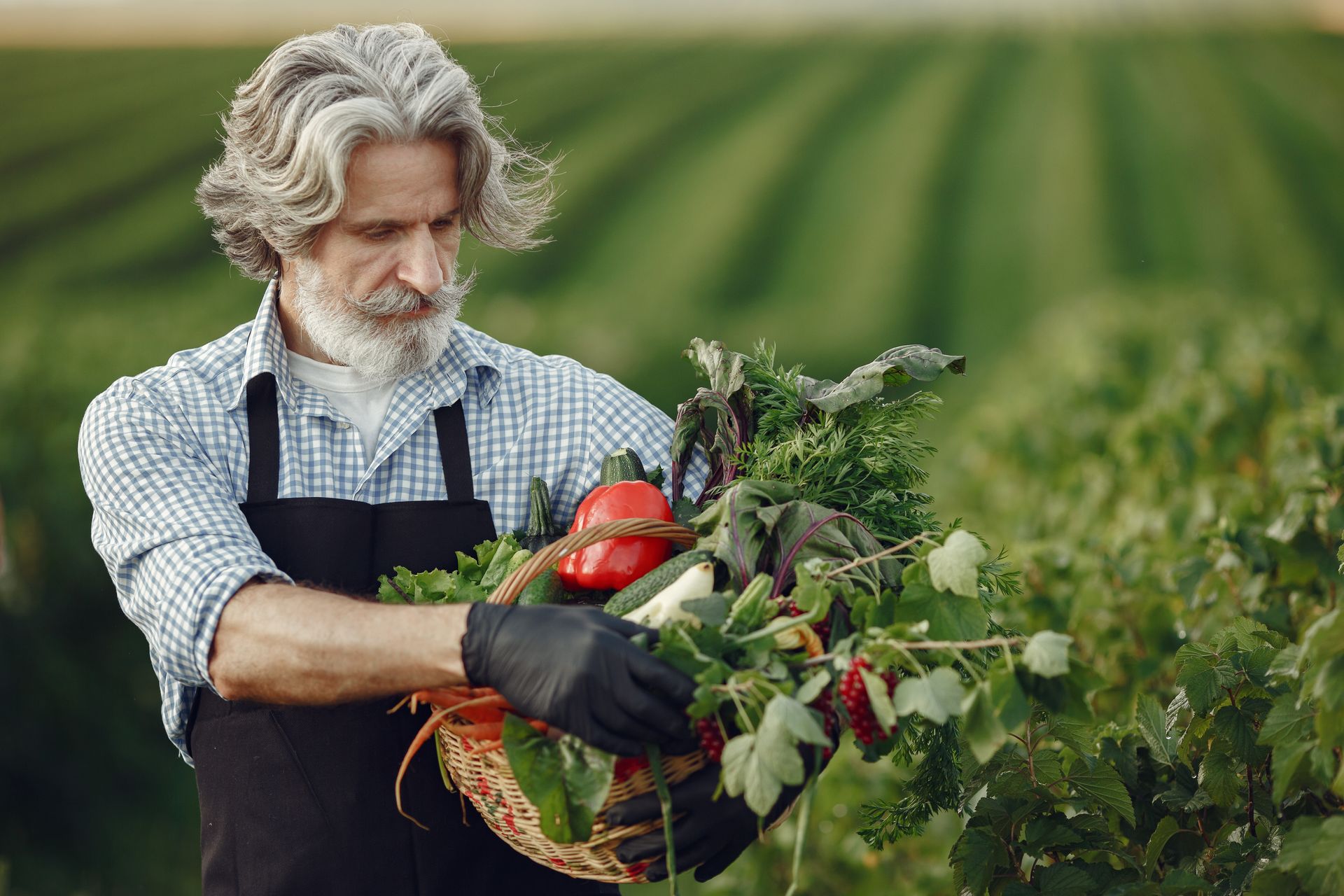
Many people notice that locally grown fruits and vegetables can have a fresh, rich, and natural taste. This difference may come from how quickly produce reaches the customer, when it is harvested, and how it is handled after leaving the farm. In this article, we discuss why locally grown produce tastes better and why many people enjoy buying food directly from nearby farms and markets. Local produce is not automatically better in every situation, but shorter travel times and careful harvesting can help preserve freshness, texture, and flavor.

Produce Can Be Harvested At The Right Time
One important reason local produce can taste better is harvest timing. Farmers who sell nearby may be able to harvest fruits and vegetables closer to the time when customers plan to eat them. Some produce can develop better flavor when allowed to mature properly before harvest. Farmers can consider the needs of local buyers and harvest products when they are ready for the market. This can create a noticeable difference compared with produce that needs to travel long distances before reaching consumers.
Shorter Travel Times Help Preserve Freshness
Fresh produce can begin losing quality after harvest. Long transportation periods may expose fruits and vegetables to changes in temperature, handling, and storage conditions. Locally grown produce often travels a shorter distance from the farm to the market or customer. This shorter journey can reduce the time between harvesting and eating. As a result, some local fruits and vegetables may feel fresher and have a better texture when they reach the consumer.
Freshness Can Improve Texture
Taste is not only about flavor. Texture also affects how people experience food. Crisp vegetables, firm fruits, and fresh leafy greens can make meals more enjoyable. Produce that has spent a long time in transportation or storage may lose some of its firmness or moisture. When local produce reaches customers more quickly, it may retain more of its natural texture. This can make a simple salad, fruit snack, or cooked meal feel fresher.
Local Farmers Understand Their Conditions
Farmers who grow food in a particular area often understand the local soil, weather, water conditions, and growing seasons. This knowledge can help them choose crops and varieties that perform well in their environment. A crop that grows naturally under suitable local conditions may develop good flavor and quality. Farmers also gain experience by observing their fields each season and adjusting their methods when needed.
Seasonal Produce Can Offer Better Flavor
Local farmers often sell produce during its natural growing season. Seasonal fruits and vegetables can be harvested when local conditions are suitable for growth. When customers buy food that is naturally in season, they may notice stronger flavor and better texture. Seasonal eating can also add variety because different crops become available at different times of the year.
Farmers Can Focus On Quality
Small and local farms may have closer relationships with their customers. This can encourage farmers to pay careful attention to the quality of their products. When customers buy directly from a farmer, they can provide feedback about flavor, size, freshness, and appearance. Farmers can then use this information to improve future harvests. Strong relationships between growers and customers can create a greater focus on producing food that people enjoy.
Less Time In Storage Can Make A Difference
Storage can help keep produce available after harvest, but long storage periods can affect some fruits and vegetables. Changes in temperature, moisture, and airflow can influence quality. Locally grown produce may spend less time in storage before being sold. This can help some products retain their natural flavor and texture. However, proper storage is still important because even local produce can lose quality if it is handled poorly.
Local Markets Offer Fresh Choices
Farmers’ markets and farm shops can give consumers direct access to recently harvested products. Customers can often ask farmers when the produce was picked and which items are currently in season. This information can make it easier to choose fresh food. Buying directly from growers can also create a stronger connection between consumers and the people who produce their food.
Fresh Produce Can Inspire Better Meals
When fruits and vegetables taste fresh, people may be more interested in using them in everyday meals. A sweet fruit can make a simple snack enjoyable, while crisp vegetables can improve salads, sandwiches, and cooked dishes. Fresh ingredients can also encourage people to experiment with seasonal recipes. In this way, local produce can influence not only taste but also eating habits.
Local Produce Is Not Always The Same
It is important to remember that local does not automatically mean every product will taste better. Flavor depends on the crop variety, soil, growing conditions, harvest timing, handling, and storage. Some produce from far away can still have excellent quality. The main benefit of local food is often the shorter journey and closer relationship between farmers and consumers. Choosing produce based on freshness, quality, and proper handling is more useful than relying only on where it was grown.
Conclusion
Understanding why locally grown produce tastes better often comes down to freshness, harvest timing, shorter transportation, seasonal availability, and careful handling. Local farmers may be able to harvest products closer to when customers will eat them, helping some fruits and vegetables retain their natural flavor and texture. Buying locally can also give consumers an opportunity to learn about seasonal foods and connect with farmers. While local produce is not always better in every case, choosing fresh products from trusted growers can make meals more enjoyable and support nearby farming communities.